






















































How to Learn Data Analytics?
Learn data analytics in 2026 with simple steps, tools, projects, and certification tips. A beginner-friendly guide to start a data analyst career.

So you want to learn data analytics — but where do you start?
This guide answers exactly that. You will learn what data analytics is, what a data analyst actually does, which tools to master, how to build real experience, and which certification will make your resume stand out in 2026.
Data analytics is one of the fastest-growing careers right now. Companies across healthcare, finance, marketing, and retail are actively hiring people who can turn raw data into smart decisions.
The opportunities are real. The demand is growing. And this guide gives you the clearest path to get there.
Understanding Data Analytics
Begin by grasping the fundamentals of Data Analytics, its significance, and its role in driving data-informed decisions. Learn about the process of collecting, cleaning, and analyzing data to derive meaningful patterns and trends.
Data Analytics is a multidisciplinary field that involves the examination, interpretation, and transformation of raw data into meaningful insights and actionable information. It empowers individuals and organizations to make informed decisions, identify patterns, and uncover valuable trends within large datasets. By employing various statistical and analytical techniques, data analysts can extract crucial information, enabling businesses to optimize processes, improve performance, and gain a competitive edge.
Data Analytics is widely applied across industries, including finance, healthcare, marketing, and more, to drive data-driven decision-making and innovation. A strong understanding of data analytics concepts, tools, and methodologies is essential for individuals seeking to harness the power of data and contribute to the success of modern organizations in the data-driven world.
According to Salesforce's 2026 State of Data and Analytics report, 76% of business leaders say they are under growing pressure to drive business value with data, making skilled analysts one of the most sought-after professionals today.
Role of a Data Analyst
Explore the responsibilities of a data analyst and the essential skills required for the job. Effective data analysts possess a mix of technical expertise, statistical knowledge, and business acumen to translate data into actionable insights.
-
Data Collection: Collecting relevant data from various sources, including databases, APIs, and data streams.
-
Data Cleaning: Ensuring data accuracy and consistency by identifying and correcting errors, missing values, and inconsistencies.
-
Data Analysis: Applying statistical techniques and data mining algorithms to uncover patterns, trends, and insights within the data.
-
Data Visualization: Creating visual representations, such as charts and graphs, to present data in a clear and concise manner.
-
Interpretation and Reporting: Interpreting analysis results and communicating findings to stakeholders through reports and presentations.
-
Decision Support: Assisting decision-makers by providing data-backed recommendations and insights for business strategies.
-
Predictive Modeling: Developing predictive models to forecast future trends and outcomes based on historical data.
-
Data Quality Assurance: Ensuring data quality and integrity by implementing data governance and data quality processes.
-
Continuous Learning: Staying updated with the latest data analytics tools, techniques, and industry trends to enhance analytical skills.
-
Cross-functional Collaboration: Collaborating with teams across departments to understand data requirements and deliver actionable insights.
-
Business Impact Assessment: Evaluating the impact of data-driven initiatives on business performance and ROI.
What has changed in 2026 is the addition of one more critical skill — knowing how to work alongside intelligent tools. Analysts are now expected to review and verify outputs, catch errors, and bring human judgment to conclusions that automated systems surface. The thinking layer is still very much a human responsibility.
Learning Data Analytics Tools
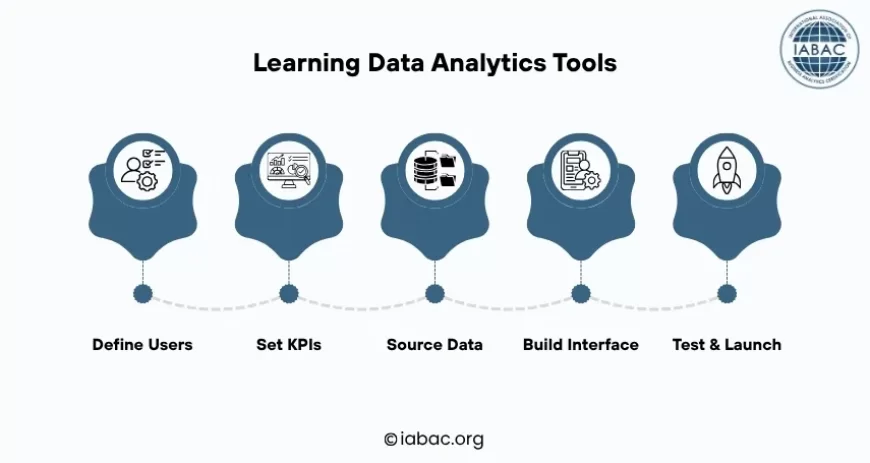
Tools are the backbone of any data analyst's daily work. The right combination of tools helps you clean, analyze, and present data in clear and compelling ways. Here is what you should focus on building in 2026:
-
Excel: Data cleaning, pivot tables, reporting — Start here, widely used.
-
SQL: Querying and managing databases — Learn alongside Excel.
-
Python (Pandas): Data manipulation and automation — After SQL basics.
-
Power BI / Tableau: Dashboards and visualization — Mid-learning stage.
-
Statistics: Accurate data interpretation — Throughout your journey.
Enroll in Data Analytics Courses
Discover reputable online data analytics courses that cater to different proficiency levels. Look for comprehensive courses that cover data analysis techniques, statistical concepts, and real-world applications.
Enrolling in Data Analytics courses is a crucial step towards mastering the art of extracting valuable insights from data. Numerous reputable online platforms offer a wide range of courses suitable for all skill levels, from beginners to advanced learners. These courses cover essential data analytics concepts, tools, and methodologies, providing hands-on experience through real-world projects and case studies.
Whether you aspire to become a data analyst, enhance your analytical skills, or switch careers, these courses offer a structured and comprehensive learning path, empowering you to excel in the dynamic field of Data Analytics.
Gaining Hands-on Experience
Hands-on experience is crucial to becoming a proficient data analyst. Engage in data analysis projects, participate in data challenges, and work on real datasets to apply your learning in practical scenarios.
Gaining hands-on experience is essential for becoming a proficient data analyst. By working on real-world data analysis projects, participating in data challenges, and exploring real datasets, you can apply theoretical knowledge to practical scenarios. Hands-on experience enhances your analytical skills, problem-solving abilities, and confidence in using data analytics tools and techniques.
It allows you to tackle real data challenges, make data-driven decisions, and effectively communicate insights to stakeholders. Practical experience is a key differentiator in the competitive job market and prepares you for success in the dynamic world of Data Analytics.
Here are some practical project ideas to build your portfolio:
-
Analyze a publicly available dataset from Kaggle or government open data portals.
-
Build a sales or marketing dashboard using Power BI or Tableau.
-
Write SQL queries on a real database schema to answer business questions.
-
Clean a messy real-world dataset using Python and Pandas and document your steps.
-
Participate in a Kaggle competition — even finishing is worth showcasing.
Hiring tip: A portfolio with two or three strong, well-documented projects will impress hiring managers far more than a dozen certificates with no practical work to show.
Pursuing Data Analytics Certifications
Consider earning data analytics certifications from recognized institutions or organizations. Certifications validate your expertise and enhance your resume, making you more competitive in the job market.
Pursuing Data Analytics certifications can significantly enhance your credibility and marketability as a data analyst. Reputable certifications from recognized institutions validate your expertise in data analysis, statistics, and relevant tools. These certifications demonstrate your commitment to continuous learning and professional development, making you stand out to potential employers.
They provide tangible proof of your skills and can boost your chances of securing rewarding data analytics opportunities. Investing in data analytics certifications showcases your dedication to excellence in the field and helps advance your career in the data-driven industry.
When it comes to globally recognized certifications, IABAC, the International Association of Business Analytics Certification, stands out as one of the most credible options available today. IABAC is the world's first and largest registered body for global data science and business analytics certifications, built on the European Commission's EDISON® Data Science Framework. This means the skills you validate are directly aligned with what real employers around the world are looking for.
Understanding Big Data Analytics
Explore the realm of big data analytics, as it becomes increasingly relevant in modern organizations. Learn about the tools and techniques for handling large datasets and extracting valuable insights.
Big Data Analytics is a specialized field that involves the analysis and interpretation of massive volumes of complex and diverse data, often exceeding the capabilities of traditional data processing tools. It encompasses advanced techniques and technologies to derive meaningful insights, patterns, and trends from big data. Big Data Analytics plays a critical role in enabling organizations to make data-driven decisions, optimize processes, and gain a competitive advantage.
With the ability to handle vast datasets and extract valuable information, Big Data Analytics continues to revolutionize industries and pave the way for innovative solutions to complex problems.
In 2026, big data is no longer just about volume — it is about speed. Real-time analytics has become a baseline expectation in most data-heavy industries. Organizations in e-commerce, banking, and healthcare are processing data the moment it arrives, and analysts who understand how streaming data pipelines work are in high demand. Tools like Apache Kafka, Google BigQuery, and AWS are worth exploring once you have a solid foundation in core analytics.
Data Analytics Statistics
Data analysts must have a solid foundation in statistics to interpret data accurately. Familiarize yourself with statistical concepts such as probability, regression, hypothesis testing, and more.
Data Analytics Statistics forms the backbone of data analysis, providing the tools and techniques to make sense of data and draw meaningful conclusions. Statistical concepts such as hypothesis testing, regression analysis, and probability distributions enable data analysts to uncover patterns, identify correlations, and make data-driven decisions with confidence.
A strong grasp of data analytics statistics ensures accurate interpretations of data, validates findings, and mitigates biases in analyses. Mastering statistical principles is essential for data analysts to effectively communicate insights and deliver valuable contributions in data-driven organizations.
You do not need a mathematics degree to get started. Begin with these core topics:
-
Descriptive statistics — mean, median, mode, standard deviation.
-
Probability basics — understanding likelihood and uncertainty.
-
Regression analysis — identifying relationships between variables.
-
Hypothesis testing — validating whether patterns in data are real or random.
-
Distributions — normal, binomial, and Poisson distributions.
Data Analytics Trends to Watch in 2026
-
Real-Time Analytics Is the New Normal: Businesses don’t want to wait for reports anymore. They use live data to make quick decisions.
-
Augmented Analytics Is Making Work Easier: Many tools now handle repetitive tasks, so analysts can spend more time understanding the story behind the data.
-
Data Quality Is Still a Big Challenge: Even the best tools cannot help if the data is messy. Knowing how to clean and organize data is very valuable.
-
Basic AI Skills Are Becoming Important: Companies expect analysts to know how to use AI tools and double-check the results when needed.
-
Ethics and Responsible Data Use Matter More: Understanding privacy, avoiding bias, and using data carefully are becoming essential skills.
Finding the Best Data Analytics Courses
Selecting the right data analytics courses is crucial for effective learning. Seek courses that align with your career goals, offer hands-on projects, and provide opportunities for interaction with instructors and peers.
Finding the best data analytics courses involves thorough research and consideration of various factors. Look for courses offered by reputable platforms with positive reviews and ratings. Ensure that the courses cover essential data analytics concepts, tools, and practical applications. Check for hands-on projects, real-world case studies, and interactive learning opportunities to gain practical experience.
Additionally, consider the expertise of instructors and the availability of certifications upon completion. Choosing the right data analytics courses tailored to your skill level and career goals will set you on the path to becoming a proficient and sought-after data analyst
Becoming a skilled data analyst requires dedication, continuous learning, and practical experience. By understanding the core concepts, mastering data analytics tools, and leveraging online courses and certifications, you can unlock a world of opportunities in this exciting field.
Embrace the dynamic world of data analytics, and prepare yourself for a rewarding career where you contribute to data-driven decision-making and innovation in diverse industries. With the right guidance and determination, you can embark on a successful Data Analytics journey and make a positive impact in the data-driven era.
In 2026, the most valuable analysts are not the ones who know the most tools — they are the ones who can think clearly with data, communicate findings simply, and bring genuine curiosity to every dataset they touch. That combination of technical skill and human judgment is what makes a truly great data analyst.


-
 Mrunaalini thakurAppreciating the advice on where to start and how to progress in data analytics, found it useful!









