










































Specialized Data Science Certificate Programs
Specialized data science certificate programs help you gain advanced skills in AI, machine learning, and analytics to enhance your career prospects.


Not too long ago, most people had never heard the term "data science." Today, it's hard to avoid. Companies talk about data, job listings mention data skills, and more people are exploring careers that involve working with information and technology.
If you're curious about data science, the first question is usually not "Can I learn it?" but "Where do I start?" With so many courses, certifications, and learning paths available, choosing the right starting point can feel overwhelming. That's one reason Data Science Certificate Programs have become popular. They give learners a structured way to understand the basics, build practical skills, and gain confidence as they learn.
What Is Data Science?
Let’s understand it simply.
Data science is about turning information into ideas that help people make smart decisions. Imagine you have a lot of information — customer feedback, sales numbers, or website traffic. A data scientist studies this data, finds patterns, and gives useful insights to improve results.
Think of it like solving a mystery — only this time, your clues are numbers, charts, and data files.
The Main Parts of Data Science
|
Step |
What It Means |
Tools You’ll Learn |
|
Data Collection |
Gathering information from various sources. |
SQL, APIs |
|
Data Cleaning |
Fixing errors and organizing data properly. |
Pandas, Excel |
|
Data Analysis & Modeling |
Finding trends and making predictions. |
Scikit-learn, TensorFlow |
|
Data Visualization |
Turning data into easy-to-read charts and reports. |
Power BI, Tableau |
Why Is a Data Science Certificate Important?
Every company today uses data to make decisions. From marketing to healthcare, understanding data helps businesses save time, reduce risks, and improve services.
That’s why people who understand data — especially certified ones — are in high demand across industries.
According to LinkedIn data shared by the World Economic Forum, more than 1.3 million AI-related jobs have been created globally in recent years, highlighting the growing demand for professionals with data and analytical skills.
What Are Data Science Certificate Programs?
Data Science Certificate Programs are short-term courses that teach you the main skills needed to work in data science.
They are designed to give you hands-on learning without spending years in a university. You’ll study key topics like data analysis, statistics, and machine learning, and finish the program with a recognized certificate that proves your knowledge.
These programs are great for:
- Students who want to start a career in data
- Working professionals looking to switch fields
- Anyone who wants to improve their technical skills
And the best part? You can complete many of these programs in just a few months.
Why Do People Choose Data Science Certificate Programs?
Not everyone has the time or budget to spend years earning another degree. That is one reason certificate programs have become so popular.
Many people want to learn practical skills they can use at work without putting their careers on hold. Certificate programs make this possible by focusing on the skills that employers look for most often.
For some learners, these programs are a way to explore a new career path. For others, they are an opportunity to strengthen existing skills and stay current in a workplace where data plays an increasingly important role.
The biggest advantage is that learners can gain knowledge step by step while continuing with their studies, jobs, or other responsibilities.
What You’ll Learn in a Data Science Certificate Program?
A Data Science Certificate Program usually includes the following topics:
|
Module |
Description |
Duration |
|
Introduction to Data Science |
Learn what data science is and why it matters. |
2 weeks |
|
Data Science Roadmap |
Understand your learning path step by step. |
1 week |
|
Statistics & Probability |
Build your math and logic base. |
3 weeks |
|
Python for Data Science |
Learn coding for data work. |
3 weeks |
|
Machine Learning Basics |
Create models that learn from data. |
4 weeks |
|
Data Visualization |
Make easy-to-understand charts and dashboards. |
2 weeks |
|
Final Project |
Apply what you learned in a real project. |
4 weeks |
These programs don’t just teach theory. They focus on practical skills that prepare you for real-world data problems.
Skills You’ll Gain In The Data Science Certificate
Core Skills
- Data cleaning and analysis
- Statistics and probability
- Machine learning basics
- Data visualization and storytelling
- Working with big data
Tools You’ll Use
Python, R, SQL, Power BI, Tableau, and TensorFlow are some of the most common tools you’ll learn.
Communication Skills
A good data scientist knows how to explain results clearly. So, you’ll also learn how to present your findings in simple, business-friendly terms.
What Makes a Good Data Science Certificate Program?
Not all certificate programs offer the same learning experience. Before enrolling, it helps to look beyond the course title and understand what the program includes.
A good program should cover the fundamentals clearly, provide opportunities to practice with real data, and help learners understand how data is used in real business situations.
It is also helpful to choose a program that includes projects, assessments, and guidance from experienced instructors. These elements often make learning more engaging and easier to apply outside the classroom.
The best program is not always the longest or most expensive one. It is the one that helps you build useful skills and confidence along the way.
Data Science Skills in Action
Data Science combines both technical skills and subject knowledge to make sense of data and find useful insights. It starts with a good understanding of math and statistics, which helps in predicting results and making smart decisions based on data. Data scientists also use programming languages like Python, R, and SQL to collect, clean, and organize large amounts of information quickly. They apply machine learning methods such as regression and clustering to create models that can spot trends and future patterns.
To make the information easy to understand, they use visual tools like Power BI and Tableau to create clear charts and dashboards. These help teams and managers see what the data is saying at a glance. Having domain knowledge — whether in finance, marketing, or healthcare — is also very important. It helps data scientists connect their findings to real business goals, turning raw data into meaningful and practical actions.
Why Choose Data Science Certificate Programs?
You can find plenty of tutorials online, but certificate programs offer something better — structure, quality, and proof of your skills.

Here’s why people prefer them:
- Official Certification – You get a recognized document that shows your skills.
- Expert Teaching – Learn from experienced professionals.
- Practical Projects – Work on real datasets, not just theory.
- Career Benefits – Make your resume stand out to employers.
- Time and Cost Saving – Short, affordable, and flexible programs.
Top Data Science Certificate Programs for 2026
Here are some well-known options you can explore:
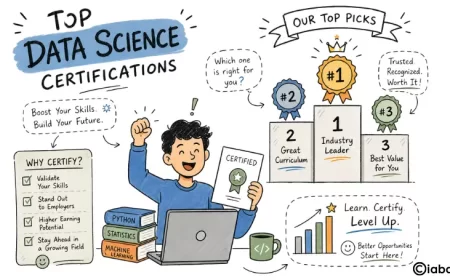
IABAC offers certifications in data science,
Data Science Foundation (DSF) – For beginners who want to learn the fundamentals of data science.
Certified Data Science Developer (CDSD) – Focuses on applying programming skills to data science projects.
Certified Machine Learning Expert (CMLE) – Designed for professionals interested in machine learning models and applications.
Certified Data Scientist (CDS) – Covers the complete data science lifecycle from data collection to business insights.
Certified Data Engineer (CDE) – Focuses on building and managing data pipelines and infrastructure.
Certified MLOps Engineer (CMOE) – Helps professionals learn how to deploy, monitor, and manage machine learning models.
Certified Data Scientist – Finance (CDSFIN) – Specializes in applying data science within financial services.
Certified Data Scientist – HR (CDSHR) – Focuses on workforce analytics and HR decision-making.
Certified Data Scientist – Marketing (CDSMKT) – Applies data science techniques to marketing and customer analytics.
Certified Data Scientist – Operations (CDSOPS) – Uses data to improve operational efficiency and business processes.
Data Science Certified Manager (DSCM) – Designed for professionals managing data science teams and projects.
Among these, IABAC stands out for its global recognition and strong focus on real-world applications.
Your Data Science Learning Path
Here’s how your journey usually goes:
- Learn the Basics – Understand what data science is.
- Build the Foundation – Learn Python and statistics.
- Learn Machine Learning – Build prediction models.
- Practice Visualization – Show insights with charts and graphs.
- Do a Real Project – Apply what you’ve learned.
- Get Certified – Prove your skills and become a data professional.
By the end, you’ll move from “beginner” to “certified data professional.”
Why IABAC Is a Great Choice
IABAC (International Association of Business Analytics Certifications) is one of the most trusted names in data and analytics certification.
What Makes IABAC Special:
- Globally recognized certifications accepted across industries.
- Partnerships with training institutes and universities worldwide.
- Practical learning with real data projects.
- Career support through assessments and global credibility.
Choosing IABAC means your certification will be respected no matter where you apply for a job.
Certificates vs Degrees
|
Factor |
Certificate Program |
Master’s Degree |
|
Duration |
3–6 months |
2 years |
|
Cost |
Affordable |
Expensive |
|
Focus |
Job-ready skills |
Academic theory |
|
Flexibility |
Study anytime |
Fixed schedule |
|
Recognition |
Global (IABAC) |
University-based |
If you’re looking for faster results, certificate programs are a smart choice — you can start working sooner while continuing to learn as you grow.
Projects You’ll Work On
You won’t just study theory — you’ll work on projects like:
- Customer Churn Prediction – Find which customers might leave.
- Sales Forecasting – Estimate future sales.
- Fraud Detection – Identify fake transactions.
- Movie Recommendation System – Build something like Netflix.
- Healthcare Analytics – Use data to improve treatments.
These projects help you apply everything you’ve learned and build a strong portfolio.
Common Questions People Ask Before Starting Data Science
Many beginners wonder whether data science is difficult to learn. The answer depends on your background, but most people can learn it by taking one step at a time.
Another common question is whether programming knowledge is required. While programming can be helpful, many learners start with little or no coding experience and gradually build their skills as they progress.
People also ask how long it takes to become job-ready. The timeline varies from person to person, but consistent learning and practical project work often make a significant difference.
The most important thing is to start with the basics and continue building your knowledge steadily rather than trying to learn everything at once.
The Future of Data Science
By 2026, Data Science Certificate Programs will include newer topics like:
- Artificial Intelligence and Chat-based tools
- Responsible use of data
- Automated Machine Learning (AutoML)
- IoT and cloud-based analytics
The world of data science will keep growing, and staying skilled through certified programs will help you keep up.
Frequently Asked Questions (FAQs)
What is a Data Science Certificate Program?
A Data Science Certificate Program helps you learn the skills needed to work with data, such as analysis, visualization, and machine learning.
Are Data Science Certificate Programs suitable for beginners?
Yes. Many programs are designed for beginners and provide step-by-step learning to help you build a strong foundation.
How long does it take to complete a Data Science Certificate Program?
Most programs can be completed within a few months, depending on the course structure and your learning pace.
Do employers recognize Data Science Certificates?
Yes. Certifications can help demonstrate your knowledge and commitment to learning, especially when combined with practical skills.
What skills are taught in a Data Science Certificate Program?
You’ll learn skills such as data analysis, statistics, data visualization, machine learning basics, and the use of popular data tools.
If you’ve been thinking about starting a career in data, this is your time.
Data Science Certificate Programs are simple, structured, and practical ways to build skills that are in high need today. Whether you’re a beginner or a professional, these programs help you move closer to your career goals — one project at a time.
Ready to learn data science?
Visit IABAC.org to find the best Data Science Certificate Programs and become a certified data professional.