





















































Master Data Science Certification Roadmap
Thinking about a data science certification? Learn the skills, trends, and simple tips to choose the right one and grow your career with confidence.

Data science know-how is all approximately making sense of the statistics chaos, and certifications are like your badges of information. They show you can crunch those numbers and unveil hidden insights. Data Science is the wizardry of extracting precious insights and patterns from a bunch of facts. It's like detective paintings for numbers.
This discipline blends computer science, statistics, and domain knowledge to unravel the mysteries hidden in statistics units. Whether it is predicting traits, recommending films, or making your fridge smarter, Data Science certification is backstage making all of it appear.
Getting a master's in Data Science is like upgrading your data detective talents to a superhero level. It's a deep dive into the world of algorithms, records, and coding, equipping you with the superpowers that have to decipher complicated information puzzles.
What is a Data Science Certification?
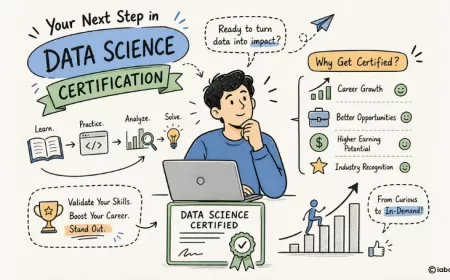
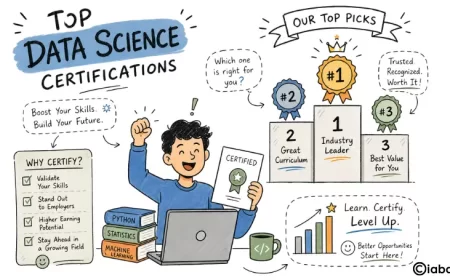
A data science certification is a structured learning program designed to teach essential data science skills, including programming, statistics, data analysis, and machine learning. Unlike a full degree program, certifications are shorter, more focused, and practical.
Certifications are helpful for:
-
Students entering the tech field
-
Professionals switching careers
-
Analysts upgrading their skills
-
Developers moving into data roles
They provide hands-on exposure and help build job-ready capabilities without spending years in a university program.
Why Data Science Certification is Important in 2026
The demand for skilled data professionals is growing fast across industries. Companies collect huge amounts of data but need experts who can turn it into useful insights. This creates strong opportunities for certified professionals.
Key reasons certification matters:
-
Validates your skills
-
Improves job credibility
-
Helps in career transition
-
Increases earning potential
-
Builds structured knowledge
With businesses focusing more on data-driven strategies, certifications act as proof that you can handle real-world datasets and deliver meaningful insights.
Most In-Demand Skills in Data Science
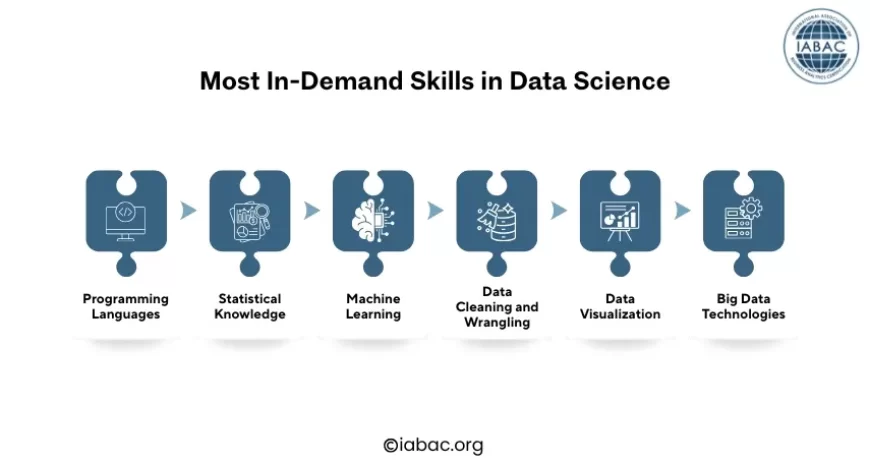
Programming Languages
Knowing your way around languages like Python and R is like having a golden ticket. They are the backbone for data manipulation and analysis.
Statistical Knowledge
Understanding statistics is essential. It is not about being a math expert but having a good grasp of statistical principles helps in interpreting data patterns.
Machine Learning
Machine learning is widely used for prediction and automation. Knowledge of algorithms and models can make you highly valuable in data science roles.
Data Cleaning and Wrangling
Cleaning and organizing data is a major part of the job. You need to prepare raw data before analysis.
Data Visualization
Being able to tell a story with data is important. Tools help create charts and dashboards that make insights easier to understand.
Big Data Technologies
Handling large datasets requires familiarity with big data tools and distributed processing technologies.
Current Trends in Data Science Certifications
Data science is evolving rapidly, and certifications now focus more on practical skills. Some of the current trends include:
-
Hands-on project-based learning
-
Real-world datasets in training
-
Cloud-based analytics tools
-
Focus on business problem solving
-
Integration with analytics and AI workflows
-
Shorter certification duration with flexible learning
Employers now prefer candidates who can demonstrate practical skills rather than just theoretical knowledge.
Benefits of Data Science Certification
-
Structured learning path
-
Improved job opportunities
-
Higher salary potential
-
Strong portfolio development
-
Industry recognition
-
Career growth support
Certification also helps professionals stay updated with the latest tools and industry practices.
Problems people face in choosing data science know-how certifications
Overwhelm Due to Options: The abundance of data science certifications available can weigh down people, making it difficult to narrow down their options and find the maximum suitable certification for their goals.
Unclear Industry Alignment: Many human beings battle with expertise on how a specific certification aligns with the cutting-edge desires and developments of the data science know-how knowledge company, leading to uncertainty about its realistic relevance.
Budgetary Constraints: The costs related to data science certifications may be a sizeable state of affairs for people, particularly people with the right price range, as they want to weigh the monetary funding towards the capacity profession blessings.
Varied Skill Focus: Different certifications may additionally emphasize awesome potential sets inside Data science. Individuals often find it hard to decide which certifications align best with their favoured capacity improvement and expert targets.
Recognition and Credibility Concerns: Some human beings hesitate to pursue advantageous certifications due to doubts about their popularity and credibility in the pastime marketplace. This task can affect the perceived price of the certification.
Time Commitment: Balancing the time required for certification practice with extraordinary personal and expert commitments poses an undertaking, specifically for individuals with busy schedules.
Lack of Practical Application: Certifications that recognise carefully theoretical requirements without imparting possibilities for practical software might also moreover make humans unprepared for real-world challenges.
Pre-present Knowledge Requirements: Certain certifications expect a certain stage of pre-cutting-edge information, making it hard for human beings new to the sphere to perceive certifications that cater to beginners.
The massive quantity of data science certifications available can leave human beings feeling misplaced while they may be looking to type through the numerous options. A certification's realistic relevance can be wondered by way of applicants due to uncertain records approximately how a specific certification fits into gift-day industry traits. Budgetary restrictions make selections even more difficult, requiring people to carefully keep in mind the financial investment as opposed to the potential benefits to their careers. Furthermore, humans trying to align their ability improvement targets with specific certification offerings face troubles because of the diverse skill centres of numerous certifications. Other boundaries embody the time commitment wanted for education and problems approximately the legitimacy and reputation of certifications inside the task market.
What are the important elements to recall when selecting a Data science certification? And how does it help in choosing a suitable certification?
When selecting a data science certification, consider factors like enterprise relevance, path content, and arms-on tasks. Opt for certifications aligned with your career goals and desired tech stack. Check critiques and endorsements from professionals within the area. Additionally, aspects of the credibility of the certifying body and assessment of the certification's popularity in the industry. Don't neglect the price range – discover a certification that provides cost without breaking the bank. Balancing these components ensures a certification that no longer most effectively complements your competencies but additionally aligns with industry expectancies.
Relevance to Career Goals: Consider how well the certification aligns with your career aspirations and the precise roles you are focused on inside the area of data science know-how. This helps you pick out a certification that at once contributes to your expert boom and opens doors to the possibilities you are searching for.
Industry Recognition: Research the industry reputation and reputation of the certification. Certifications from well-known and revered systems like IABAC others are regularly extra valued by way of employers. Look for certifications which are stated and revered within the data science community, as this will decorate your credibility.
Skill Coverage: Evaluate the abilities protected by the certification. Ensure that it addresses the important abilities and technical skills relevant to your region of interest within data science. A complete skill coverage guarantees that to procure a properly rounded ability set, making you more flexible inside the task marketplace.
Practical Application: Assess the volume to which the certification emphasizes realistic, hands-on experience in place of focusing totally on theoretical ideas. Certifications with practical additives can help you observe your information in practical scenarios, improving your problem-solving abilities.
Cost and Accessibility: Consider the value of the certification, such as examination charges, take a look at substances, and any additional prices. Ensure that it fits within your price range. Evaluate the accessibility of the certification application, consisting of whether it gives online courses or in case you need to attend physical instructions.
Time Commitment: Assess the time required to finish the certification. Consider your cutting-edge commitments and timetable to decide if you could realistically dedicate the important time. Choose a certification software that aligns with your time availability to avoid needless pressure.
Types of Data Science Certifications
Beginner Level
Designed for freshers and career switchers with basic knowledge.
Intermediate Level
Focuses on practical projects and advanced analytics.
Advanced Level
Includes machine learning, big data, and deep analytics.
Specialized Certifications
Focused on specific areas like visualization, machine learning, or big data.
Certification vs Master's Degree
Certification
-
Short duration
-
Affordable
-
Skill-focused
-
Flexible learning
Master’s Degree
-
Long duration
-
Expensive
-
Academic-focused
-
Less flexible
Certifications are ideal for quick career growth and skill enhancement.
Who Should Take a Data Science Certification
-
Students exploring data careers
-
Working professionals changing fields
-
Business analysts upgrading skills
-
Software developers entering data roles
-
Managers wanting data understanding
Important Factors to Consider When Choosing a Certification
Relevance to Career Goals
Choose a certification aligned with your career objectives.
Industry Recognition
Select certifications recognized by employers.
Skill Coverage
Ensure the certification covers key skills.
Practical Application
Look for hands-on projects and case studies.
Cost and Accessibility
Choose a program within your budget.
Time Commitment
Ensure the schedule fits your availability.
Step-by-Step Data Science Learning Roadmap
Step 1: Learn basic programming
Step 2: Understand statistics fundamentals
Step 3: Practice data analysis
Step 4: Learn visualization tools
Step 5: Explore machine learning basics
Step 6: Work on real-world projects
Step 7: Take a certification
Step 8: Build portfolio
Step 9: Apply for roles
Cost and Duration of Data Science Certification
-
Duration: 3 to 6 months (average)
-
Study time: 5 to 10 hours per week
-
Cost: varies based on provider and features
Choosing a certification with good practical exposure provides better value.
Career Opportunities After Certification
After completing a data science certification, you can explore roles such as:
-
Data Analyst
-
Business Analyst
-
Machine Learning Engineer
-
Data Engineer
-
Analytics Consultant
These roles exist across industries, including finance, healthcare, retail, and technology.
Choosing the right data science certification requires careful evaluation of your career goals, industry recognition, skill coverage, practical learning, cost, and time commitment. Certifications provide structured learning and help you build job-ready skills in a shorter time.
With the growing demand for data professionals, a well-chosen certification can open new opportunities and accelerate career growth. The right certification not only enhances your knowledge but also strengthens your professional credibility and prepares you for the evolving world of data science.