

Learn from
Authorized Training Institute

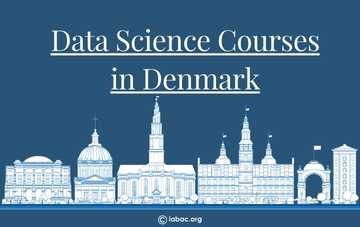
Join practical and easy-to-follow Data Science Courses in Denmark made to help you grow your skills and move forward in your career. Whether you’re just starting or already have some experience, the courses include topics like data visualization, machine learning, statistics, and artificial intelligence. You’ll work on real examples and learn how to find useful information from data that helps businesses make better decisions. These lessons apply to fields like finance, healthcare, online shopping, and technology.
You can also choose online data science courses to study when it works best for you. Along with technical training, you’ll get help with job searches, building your resume, preparing for interviews, and making career connections.

Globally recognized IABAC credential

Delivered by IABAC Authorized Training Partners (ATPs)

Includes self-paced learning, projects, and real-world case studies
A Data Science Certification is a great way to show your skills and grow your career in Denmark or anywhere else. It proves that you can use important data science tools, work with business data, and build machine learning models. This makes you valuable to many companies.
Our Data Science Course in Denmark teaches both basic and advanced topics, helping you prepare for real challenges at work. With support from experts and hands-on tasks, you’ll learn how to solve business problems using data. The certification helps you get noticed by employers in many fields and gives you a strong start in your data science career.
Choosing an IABAC Authorized Training Provider (ATP) in Denmark means getting quality data science training that follows global standards. These training centers offer clear lessons and real practice with the tools and methods you need to learn data science.
You’ll work on real projects, use actual data, and focus on examples that match what companies are looking for. Whether you want in-person learning or flexible online data science courses, the training providers will help you build the skills and knowledge to do well in the job market.





Yes, most Data Science Courses in Denmark, especially at the graduate and postgraduate level, are taught in English to accommodate international students. This makes Denmark an attractive destination for students worldwide.
The duration depends on the type of course. A full-time Master’s degree usually takes 2 years, while certification programs like IABAC Data Science certifications can be completed within a few weeks to months.
Typically, students should have a bachelor's degree in Computer Science, Statistics, Mathematics, Engineering, or a related field. Proficiency in English and a basic understanding of programming and statistics are also required.
Tuition fees vary. Public universities charge around €8,000–€15,000 per year for non-EU students, while private certification courses like IABAC may range from €300 to €1,500, depending on the course depth and duration.
Denmark has a growing demand for data professionals across various industries like finance, healthcare, technology, and energy. Graduates with certifications and real-world skills find it relatively easier to secure employment.