



















































Essential Skills in Data Science
Learn the key skills needed in data science, from programming and statistics to machine learning, to advance your career in this high-demand field.


Today, data science is one of the most important career paths for anyone interested in working with data. Businesses in finance, healthcare, retail, and HR rely on data to make better decisions, improve processes, and understand future trends. But becoming a great data science manager or professional isn’t just about knowing how to code or run models. It’s about combining technical skills with business understanding, problem-solving, and clear communication.
Whether you are thinking about a Data Science Certification, planning to start with a Data Science Foundation Certification, or aiming to become a Certified Data Scientist, building the right skills is the first step to growing in this field. This guide will explain the main skills needed in data science, how they help you succeed, and how IABAC certifications can guide you in learning them effectively.
Programming Skills: The Core of Data Science
Programming is the first step in any data science project. Writing clean, simple, and logical code helps you collect, clean, and analyze large sets of data.
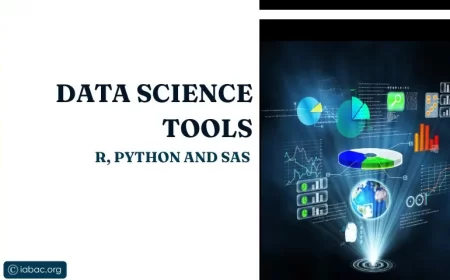
Main Programming Languages for Data Science:
- Python: Very popular because of its libraries like Pandas, NumPy, Scikit-learn, and TensorFlow.
- R: Good for statistics and creating charts.
- SQL: Essential for working with structured databases.
- SAS: Often used in businesses for data analysis and reporting.
The Data Science Developer Certification from IABAC focuses on practical programming skills so learners can work on real projects.
Statistics and Probability: Understanding Data
Most data science work is based on statistics. Knowing probability and statistics helps you create strong models and interpret results correctly.
Key Topics to Learn:
- Average, median, mode, and variation
- Testing ideas with hypothesis tests
- Probability distributions and Bayesian statistics
- Understanding correlation vs. causation
- Linear and logistic regression
With a Data Science Foundation Certification, you can learn how to analyze results and explain them to decision-makers confidently.
Data Cleaning and Management
Raw data is often messy. Cleaning and organizing it—called data wrangling—is a critical skill for data science managers and professionals.
Tasks in Data Cleaning:
- Handling missing or incorrect data
- Combining data from multiple sources
- Transforming data into usable formats
Tools to Know:
- Python libraries like Pandas and NumPy
- Big data tools like Apache Spark
- Databases such as MySQL, MongoDB, and Oracle
Through IABAC’s Certified Data Scientist Operations program, you can learn how to handle data pipelines from start to finish.
Machine Learning and Deep Learning: Making Smart Predictions
Machine Learning (ML) and Deep Learning (DL) allow computers to find patterns and make predictions from data. These skills are key for data science managers who want to implement smarter solutions.
ML Concepts:
- Supervised Learning: Models like linear regression and decision trees
- Unsupervised Learning: Clustering and Principal Component Analysis
- Reinforcement Learning: Systems that improve by learning from feedback
DL Concepts:
- Neural networks and how they learn
- Convolutional Neural Networks (CNNs) for image tasks
- Recurrent Neural Networks (RNNs) for time-series or language data
IABAC’s Machine Learning Expert Certification teaches these techniques from beginner to advanced level, helping you apply them to real business problems.
You could use ML to predict customer churn, forecast sales, or improve logistics efficiency.
Data Visualization: Showing Insights Clearly
Analyzing data is only part of a data scientist’s role. Sharing insights clearly is equally important. Good visualization helps stakeholders understand data quickly.
Popular Tools:
- Tableau and Power BI for dashboards
- Matplotlib, Seaborn, Plotly for Python charts
- Excel for quick reports
With IABAC certification programs, you can learn to create visuals that tell a clear story and help teams make better decisions.
Cloud Computing and Big Data
Much of today’s data is stored on the cloud. Knowing how to work with cloud platforms and big data tools is crucial for data science managers.
Important Platforms:
- AWS (Amazon Web Services)
- Google Cloud Platform (GCP)
- Microsoft Azure
- Big data tools like Hadoop, Spark, Kafka
IABAC courses, such as Certified Data Scientist Finance and HR, teach how to handle cloud-based data and apply analytics to business problems.
Business and Communication Skills
Technical skills get you a job, but soft skills help you lead projects and teams. A data science manager must communicate results, understand business goals, and guide teams effectively.
Key Soft Skills:
- Clear communication and storytelling
- Understanding business goals
- Working well in teams
- Problem-solving and creative thinking
- Leadership and mentoring
These skills are part of IABAC’s Certified Data Scientist HR and Operations programs, helping you manage both data and people.
Technical vs Soft Skills for Data Science Managers
| Type | Skills | Certification / Focus | Benefit |
|---|---|---|---|
| Technical | Python, R, SQL, ML, Viz | Data Science / ML Expert | Good for data-driven work |
| Analytical | Stats, Regression, Predictive Models | Data Science Foundation | Helps make smart decisions |
| Soft | Communication, Teamwork, Leadership | Certified Data Scientist (HR) | Improves team work & communication |
| Strategic | Business, PM, Critical Thinking | Certified Data Scientist (Finance) | Guides strategy & leadership |
Keep Learning: Staying Updated
Data science keeps changing. New tools and methods appear every year. To stay ahead, data science managers need to keep learning.
Ways to Learn Continuously:
- Take certifications like Data Science Certification or Machine Learning Expert Certification
- Follow blogs, journals, and research papers
- Join competitions on Kaggle or contribute to open-source projects
- Attend workshops, webinars, or meetups
- Join professional communities
IABAC helps learners stay updated with skills that are practical and industry-ready.
Using Data Science in Different Industries
Data science is useful in many industries. Knowing the right tools and skills for your sector is key.
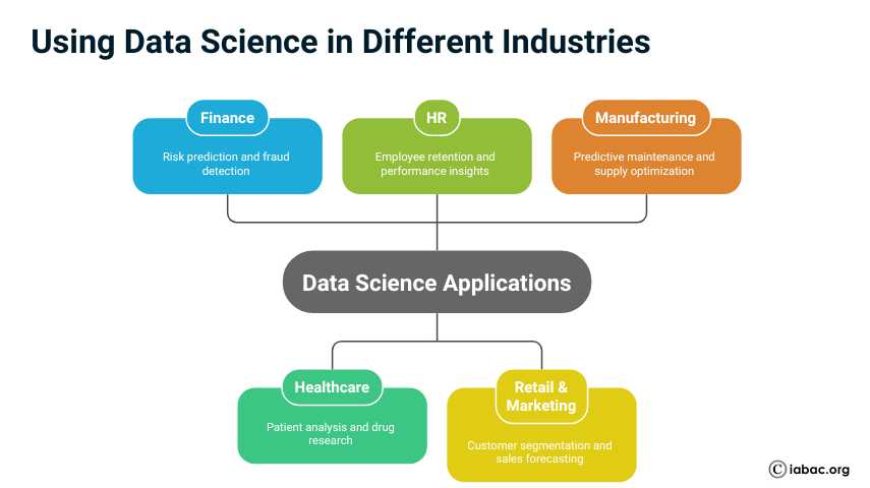
Matching skills with your industry makes you a stronger data science manager and professional.
How IABAC Certifications Help
IABAC offers certifications that prepare you for real-world data science roles. These programs are recognized globally and give both knowledge and practical experience.
Popular Tracks:
- Data Science Foundation Certification – Basics of analytics | Best For: Beginners
- Data Science Developer Certification – Programming and visualization | Best For: Aspiring data scientists
- Machine Learning Expert Certification – ML and deep learning | Best For: Advanced professionals
- Certified Data Scientist – Full data science skills | Best For: Mid-career professionals
- Certified Data Scientist Operations – Data pipelines and automation | Best For: Operations and engineering professionals
- Certified Data Scientist Finance – Finance analytics | Best For: Banking and finance professionals
- Certified Data Scientist HR – Workforce analytics | Best For: HR professionals
These programs help you learn technical and soft skills needed to grow in your career.
Data science is more than a job—it’s about solving problems with data and helping businesses make better decisions. Whether predicting sales, improving healthcare, or managing HR, the right combination of technical and human skills matters most. For aspiring data science managers, IABAC certifications provide the knowledge, practical experience, and confidence to lead data-driven projects and teams successfully. Start your journey in data science with IABAC today and build skills that will take your career forward.