





















































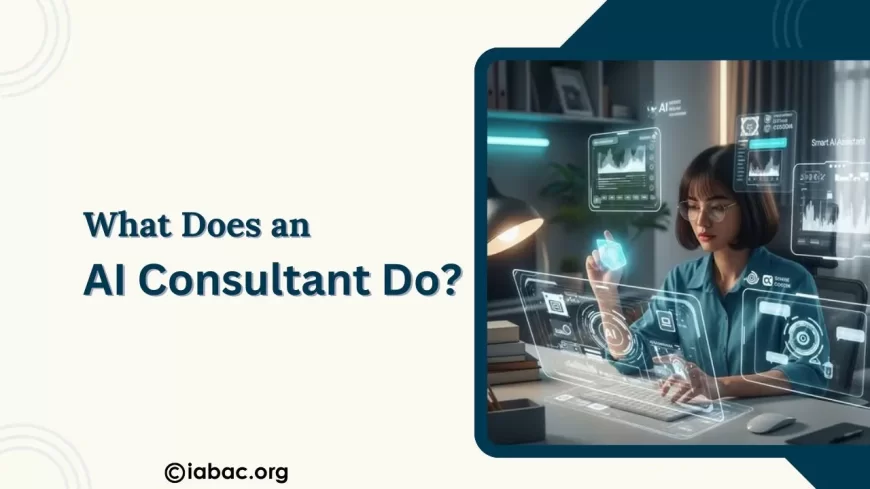
What Does an AI Consultant Do? Roles, Skills & Real Business Use Cases?
Learn what an AI consultant does, the key roles and skills required, and how businesses use AI consulting to implement artificial intelligence successfully.

Artificial Intelligence is transforming how organizations operate, make decisions, and interact with customers. Businesses across industries are exploring AI to automate processes, gain insights from data, and improve efficiency. However, implementing AI successfully requires expertise that many organizations do not have internally.
This is where an AI consultant becomes valuable. AI consultants help businesses understand how artificial intelligence can solve real problems, design implementation strategies, and deploy AI solutions that deliver measurable results.
What does an AI consultant do?
An AI consultant helps businesses identify opportunities to use artificial intelligence, develop AI strategies, and implement AI solutions that improve efficiency, automate processes, and support data-driven decision-making.
What Is an AI Consultant?
An AI consultant is a professional who helps organizations identify opportunities to apply artificial intelligence and implement AI-driven solutions aligned with business goals.
AI consultants bridge the gap between advanced technology and business needs. Instead of simply building AI models, they focus on understanding the organization’s challenges and determining how AI can improve operations, productivity, and decision-making.
Their responsibilities often include:
-
Evaluating business processes and identifying AI opportunities
-
Developing AI strategies and implementation roadmaps
-
Designing machine learning and data-driven solutions
-
Supporting the deployment and monitoring of AI systems
In many cases, companies collaborate with experts through AI consulting services to ensure that AI initiatives deliver long-term value.
Why Businesses Hire AI Consultants
Many organizations recognize the potential of artificial intelligence but struggle with where to begin. Hiring an AI consultant helps businesses reduce risk and accelerate AI adoption.
Some of the most common reasons companies hire AI consultants include:
Lack of In-House AI Expertise
AI technologies such as machine learning, deep learning, and predictive analytics require specialized skills that many organizations do not have internally.
Strategic AI Planning
AI consultants help businesses develop a clear roadmap that aligns AI initiatives with long-term strategic goals.
Faster Implementation
With expert guidance, companies can deploy AI solutions more quickly and avoid costly mistakes during implementation.
Better Data Utilization
AI consultants help organizations extract meaningful insights from their existing data and turn it into actionable intelligence.
Key Roles and Responsibilities of an AI Consultant
AI consultants perform multiple roles depending on the needs of the organization. Their work often spans strategy, technology, and business transformation.
The following table summarizes the key responsibilities of an AI consultant in modern organizations.
|
Responsibility |
Description |
|
Business analysis |
Identify opportunities for AI adoption |
|
Strategy development |
Build an AI roadmap aligned with business goals |
|
Data preparation |
Prepare datasets and ensure data quality |
|
Implementation |
Deploy machine learning and AI solutions |
|
Monitoring |
Optimize and improve AI system performance |
Identifying AI Opportunities
The first responsibility of an AI consultant is to analyze the organization’s operations and identify areas where AI can provide value.
This may involve:
-
Analyzing business workflows
-
Reviewing existing data systems
-
Identifying repetitive tasks suitable for automation
-
Exploring opportunities for predictive analytics
By understanding business processes, consultants can recommend AI solutions that improve efficiency and reduce operational costs.
Developing an AI Strategy
A strong AI strategy ensures that organizations implement AI in a structured and sustainable way.
AI consultants help companies:
-
Define clear AI objectives
-
Build an AI adoption roadmap
-
Prioritize high-impact use cases
-
Align AI initiatives with business goals
This strategic approach ensures that AI investments generate measurable business outcomes.
Data Analysis and Preparation
AI systems depend heavily on data quality. Before implementing AI solutions, consultants evaluate the organization’s data infrastructure and ensure that datasets are suitable for machine learning models.
This process includes:
-
Assessing data quality and availability
-
Cleaning and structuring datasets
-
Integrating data sources
-
Establishing data governance practices
Without proper data preparation, even advanced AI technologies cannot deliver reliable results.
Implementing AI Solutions
Once the strategy and data foundation are established, AI consultants support the development and deployment of AI solutions.
Examples include:
-
Machine learning models
-
predictive analytics systems
-
recommendation engines
-
intelligent automation tools
These solutions help businesses automate complex tasks and generate insights that support decision-making.
Monitoring and Optimizing AI Systems
AI implementation does not end with deployment. AI consultants also monitor system performance and optimize models over time.
This includes:
-
evaluating model accuracy
-
adjusting algorithms as new data becomes available
-
ensuring scalability and reliability
Continuous monitoring ensures that AI systems continue to deliver value as business needs evolve.
Essential Skills of an AI Consultant
AI consulting requires a combination of technical knowledge and business expertise.
Technical Skills
AI consultants typically have strong backgrounds in areas such as:
-
machine learning
-
data science
-
statistical analysis
-
programming languages like Python and R
These technical skills allow consultants to design and evaluate advanced AI solutions.
Business Strategy Knowledge
Beyond technical expertise, AI consultants must understand business challenges and industry dynamics.
They often work closely with leadership teams to identify opportunities where AI can improve productivity, reduce costs, or enhance customer experience.
Data and Analytics Expertise
Successful AI initiatives depend on data. AI consultants must know how to manage large datasets, build predictive models, and interpret analytical insights.
Communication and Consulting Skills
AI consultants frequently work with non-technical stakeholders. Strong communication skills help them explain complex AI concepts in a way that business leaders can understand.
Real Business Use Cases of AI Consulting
Organizations across industries are using AI consulting to transform operations and improve decision-making.
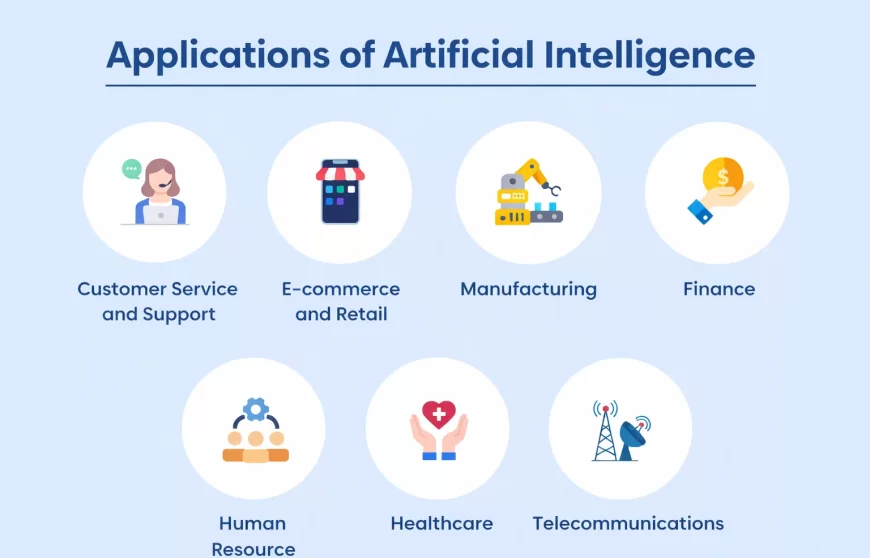
Healthcare
In healthcare, AI consulting supports the development of systems that assist with disease diagnosis, medical imaging analysis, and patient risk prediction.
AI-driven analytics can help healthcare providers identify potential health risks earlier and improve treatment outcomes.
Finance
Financial institutions use AI solutions for fraud detection, risk assessment, and automated trading systems.
Machine learning models analyze transaction patterns to identify suspicious activities and prevent fraud.
Retail
Retail companies use AI to improve customer experience through personalized recommendations and demand forecasting.
AI-powered analytics help businesses understand customer preferences and optimize inventory management.
Manufacturing
In manufacturing, AI supports predictive maintenance and process automation.
By analyzing equipment performance data, AI systems can predict potential failures and reduce costly downtime.
AI Consulting Process: Step-by-Step
AI consulting engagements typically follow a structured process.
1. Business Discovery
Consultants analyze the organization’s goals, processes, and challenges.
2. AI Readiness Assessment
They evaluate data infrastructure, technology capabilities, and workforce readiness.
3. Data Preparation
Data is cleaned, structured, and integrated to support machine learning models.
4. AI Model Development
AI solutions are designed, tested, and validated.
5. Deployment and Monitoring
AI systems are deployed and continuously optimized to ensure performance and scalability.

AI Consultant vs Data Scientist: What’s the Difference?
Although both roles work with artificial intelligence and data, an AI consultant and a data scientist have different responsibilities within an organization.
While data scientists focus primarily on developing models and analyzing data, AI consultants concentrate on helping businesses identify opportunities for AI and implementing solutions aligned with strategic goals.
Many organizations confuse the role of an AI consultant with that of a data scientist. Understanding the difference helps businesses choose the right expertise for their AI initiatives.
Comparison Table
|
Role |
AI Consultant |
Data Scientist |
|
Focus |
Business strategy and AI adoption |
Data analysis and model development |
|
Responsibilities |
Identify AI opportunities, design AI roadmap, guide implementation |
Build machine learning models and analyze datasets |
|
Business involvement |
Works closely with executives and business teams |
Works mainly with data and technical teams |
|
Objective |
Drive AI transformation in organizations |
Extract insights from data |
How to Choose the Right AI Consultant
Selecting the right AI consultant is critical for successful implementation. Businesses should evaluate several factors before choosing a consulting partner.
Key considerations include:
-
experience in AI and data science projects
-
industry expertise
-
proven track record of successful AI implementations
-
ability to align technology solutions with business objectives
Working with experienced professionals ensures that AI initiatives deliver long-term value.
How IABAC Supports Businesses with AI Consulting
Organizations looking to implement artificial intelligence often require expert guidance from experienced professionals.
Through its network of global experts, AI consulting services help businesses evaluate AI opportunities, design implementation strategies, and build AI-driven solutions that deliver measurable impact.
These services support organizations at every stage of their AI journey, from strategy development to deployment and optimization.
Tools and Technologies Used by AI Consultants
AI consultants rely on a wide range of tools and technologies to design, develop, and implement artificial intelligence solutions. These tools help consultants analyze data, build machine learning models, and deploy AI systems efficiently.
Some of the most commonly used technologies include:
Machine Learning Frameworks
Frameworks like TensorFlow, PyTorch, and Scikit-learn allow consultants to build and train machine learning models for various business applications.
Data Processing Platforms
Tools such as Apache Spark and Hadoop help process large datasets and enable advanced analytics.
Cloud AI Platforms
Cloud platforms like AWS, Google Cloud AI, and Microsoft Azure provide scalable infrastructure for deploying AI solutions.
Data Visualization Tools
Platforms such as Power BI, Tableau, and Looker help consultants present insights and support data-driven decision-making.
These tools enable AI consultants to transform raw data into actionable insights and scalable AI solutions for businesses.
The Future of AI Consulting in Business
As artificial intelligence continues to evolve, the demand for AI consulting is expected to grow rapidly. Organizations across industries are investing in AI to improve efficiency, automate processes, and gain a competitive advantage.
Several trends are shaping the future of AI consulting:
Increased Enterprise AI Adoption
More enterprises are integrating AI into their core operations, creating a growing need for experienced consultants who can guide large-scale AI transformations.
Growth of Generative AI Applications
Technologies such as generative AI are opening new possibilities in content creation, customer service automation, and product design.
AI Governance and Ethical AI
As AI adoption expands, organizations must ensure responsible and ethical use of AI systems. Consultants play a critical role in establishing governance frameworks.
Integration of AI with Business Strategy
AI consulting is increasingly focused on aligning AI initiatives with long-term business strategy rather than simply implementing isolated AI tools.
These developments indicate that AI consulting will remain a key driver of digital transformation for organizations worldwide.
Faq
What does an AI consultant do?
An AI consultant helps businesses identify opportunities for artificial intelligence, design AI strategies, and implement machine learning solutions that improve operational efficiency and decision-making.
What skills does an AI consultant need?
AI consultants require expertise in machine learning, data science, programming, and business strategy to design and implement effective AI solutions.
Why do companies hire AI consultants?
Companies hire AI consultants to accelerate AI adoption, gain expert guidance, reduce implementation risks, and unlock value from their data.
How much does AI consulting cost?
The cost of AI consulting varies depending on project scope, complexity, and industry requirements. Projects may range from strategic consulting to full AI system implementation.
Artificial intelligence is becoming a critical driver of innovation across industries. However, implementing AI successfully requires both technical expertise and strategic planning.
An AI consultant helps organizations navigate this complex process by identifying opportunities, developing AI strategies, and deploying solutions that improve business performance.
By working with experienced AI consultants, businesses can accelerate digital transformation, unlock the value of their data, and gain a competitive advantage in an increasingly data-driven world.
Looking to implement AI in your organization?
Explore professional AI consulting services to design and deploy AI solutions that drive measurable business outcomes.