























































How to Find the Right Accredited Training?
Find the right accredited training by checking recognition, course quality, industry relevance, and outcomes that match your career goals.


Choosing the right training program can feel confusing, especially when every institute claims to be the best. But good training is not just about nice videos, attractive offers, or fancy marketing. What truly matters is accreditation — an approval that proves the course meets real quality standards.
If you want trusted skills, a useful certificate, and a safe learning experience, you must choose the right accredited training. This blog will guide you step-by-step on how to pick a good accredited training provider that gives real value for your time and money.
Understand What Accredited Training Really Means
Accredited training is a course that has been officially reviewed and approved by a trusted organization.
This approval confirms:
- The content is correct
- The trainers are qualified
- The course follows proper standards
- The certificate has real value
- The program is useful for real jobs
When you choose accredited training, you do not have to guess whether the course is real or recognized — it already carries a trusted stamp.
Start With a Recognized Accreditation Body
The first step to finding the right accredited training is choosing the right accreditation body.
Look for a well-known organization that is respected by industries.
For example, IABAC is widely trusted for analytics, AI, and data-related certifications.
When a provider is accredited by such an organization, you can expect strong training quality.
A recognized body ensures:
- Verified course structure
- Fair exams
- Regular quality checks
- Real-world relevance
So always begin by checking which accreditation body stands behind the course.
Check If the Training Provider Is Officially Listed
Every accreditation body lists its Accredited Training Providers (ATP) on its website.
This is the safest way to confirm if a provider is genuinely approved.
You should check:
- Is the provider listed as an official ATP?
- Is the provider allowed to conduct training for that certification?
- Are their trainers approved?
If the provider is listed on the accreditation body’s website, it is trustworthy.
If they are not listed, it is better to avoid them.
Review the Course Content Carefully
Even accredited providers may have different teaching styles.
So always look at the course structure before enrolling.
Good training will include:
- Updated syllabus
- Clear learning outcomes
- Practical assignments
- Case studies
- Mock tests
- Proper assessments
If the content looks outdated, incomplete, or copied, it is not the right provider — even if they claim to be accredited.
Check the Trainer’s Background
A course is only as good as the trainer who teaches it.
Look for trainers who have:
- Real industry experience
- Relevant certifications
- Strong teaching skills
- Good learner feedback
Accredited providers usually employ trainers who are qualified and trained under the accreditation body’s guidelines.
If trainer details are hidden or unclear, it is a warning sign.
Read Learner Reviews and Ratings
Honest reviews tell the real story.
Check feedback on:
- Google reviews
- Social media
- Forums
- The provider’s website
- LinkedIn posts
- Testimonials
Pay attention to reviews that mention:
- Course quality
- Learning support
- Exam guidance
- Real skills gained
- Whether the certificate helped in jobs
If most reviews look fake, copied, or overly promotional, take caution.
Check How the Certificate Is Issued
A real accredited certificate will come directly from the accreditation body — not from the training provider.
For example: When you complete an accredited course from a provider recognized by IABAC, the final certificate is issued by IABAC itself.
Key checks:
- Does the certificate carry the accreditation body’s logo?
- Is there a unique certificate ID?
- Can the certificate be verified online?
A provider that cannot answer these questions is not trustworthy.
Compare Training Support and Learning Tools
Good accredited providers offer more than just classes.
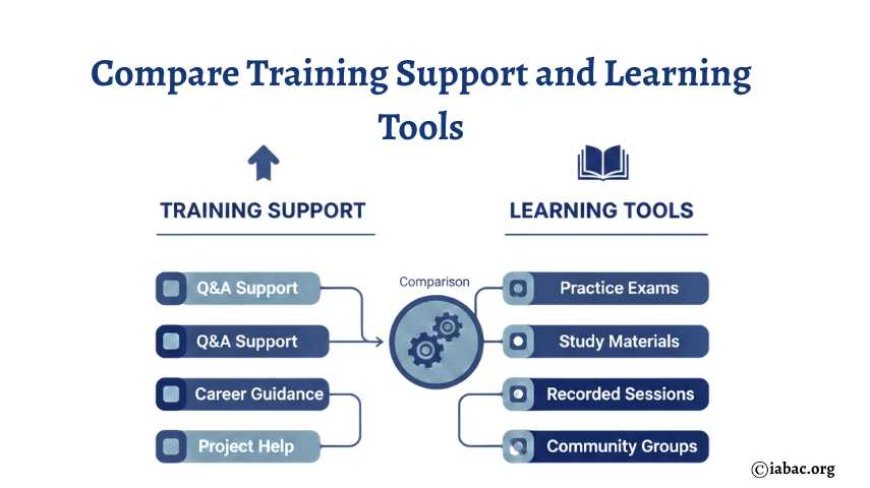
They include:
- Practice exams
- Study materials
- Recorded sessions
- Q&A support
- Career guidance
- Community groups
- Project help
If a provider only offers videos with no support, it may not be the right choice.
Learning must feel supported, not lonely.
Confirm the Training Format That Suits You
Different learners need different formats.
Before choosing a provider, check if they offer:
- Live online classes
- Self-paced learning
- Weekend batches
- Corporate batches
- Classroom training
Pick a format that fits your schedule and learning style.
Accredited providers usually offer flexible options.
Check the Fee Structure and What’s Included
Good accredited training providers are transparent about their pricing.
They clearly mention:
- Course fee
- Exam fee
- Certification fee
- Study material cost
- Validity of the access
- Any hidden charges
If the provider avoids giving proper details, take it as a warning.
You should always know exactly what you’re paying for.
Make Sure the Provider Has a Good Track Record
A long history of successful training shows that the provider is reliable.
You can check:
- How many learners they trained
- Success rate of certification exams
- Corporate clients
- Alumni feedback
- Their professional reputation
Established providers maintain quality because they have more to protect.
Look for Online Certificate Verification
Accredited certification bodies often allow online verification of certificates.
This ensures the training and exam were real.
If a provider does not offer verifiable certificates, you may face problems while applying for jobs.
Online verification adds trust and authenticity.
See If the Provider Offers Career Support
Many learners want training that also helps with their careers.
Look for providers who offer:
- Resume help
- Interview practice
- Placement support
- Skill guidance
- Portfolio building
Accredited training combined with career help is a strong advantage.
Contact the Provider Directly
If you still have questions, talk to the provider.
Good accredited providers will answer clearly and confidently.
Ask about:
- Trainer details
- Exam process
- Certificate timeline
- Course updates
- Industry relevance
If they hesitate, avoid giving proper answers, or sound unsure, it’s better to look elsewhere.
Choosing the Right Accredited Training Matters
Finding the right accredited training may take a little extra effort, but it is worth it.
It protects your time, money, and future.
With an accredited provider — especially one recognized by a trusted body like IABAC — you get:
- Correct skills
- Proper training standards
- A valuable certificate
- Better job opportunities
- Strong career growth
Good training is an investment.
So choose a provider that is trusted, approved, and committed to giving real knowledge — not just a certificate.