





















































How AI Integration Consulting Helps Businesses?
AI integration consulting helps businesses connect AI with existing systems, improve workflows, automate processes, and turn data into smarter better decisions.

You invest in new technology hoping it will simplify operations, improve decisions, and support business growth. But after introducing AI tools, things often feel more complicated than expected. Systems may not connect smoothly, teams may feel uncertain about using new tools, and the results may not clearly improve daily operations.
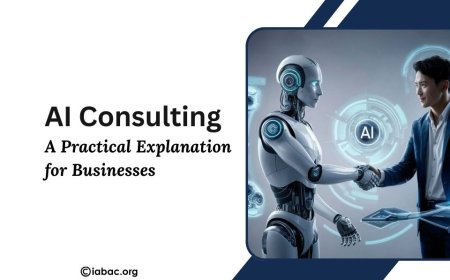
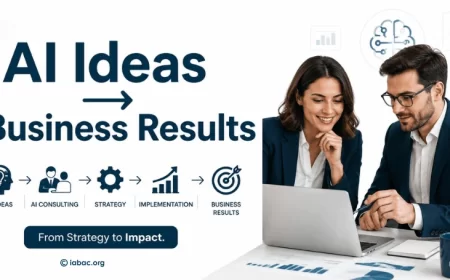
This is where AI integration consulting becomes valuable. Experienced consultants help businesses align AI with existing systems, workflows, and data environments. By identifying practical use cases and creating a clear implementation roadmap, AI consulting helps organizations turn AI into a reliable capability that improves efficiency, strengthens decision-making, and supports long-term business performance.
What Is AI Integration Consulting
AI integration consulting focuses on embedding artificial intelligence technologies into the platforms businesses already rely on for their daily operations. The objective is to make AI a practical component of existing workflows rather than introducing separate standalone tools.
Consultants evaluate the company’s current systems, data infrastructure, and operational processes to identify where AI can add measurable value. This ensures that AI adoption aligns with business goals rather than becoming a technology experiment with limited impact.
AI integration consulting typically supports businesses in several important areas.
Key responsibilities include:
-
Evaluating the company’s digital infrastructure and technology ecosystem
-
Identifying operational processes where AI can create improvements
-
Recommending AI tools suitable for business requirements
-
Designing an implementation strategy for AI adoption
-
Ensuring AI systems work with existing software platforms
-
Training teams to operate AI-enabled tools effectively
-
Monitoring performance and optimizing AI systems over time
Through this combination of strategy and technical expertise, AI integration consulting helps organizations adopt artificial intelligence in a structured and scalable way.
Improving Business Operations Through AI Integration
One of the primary reasons businesses adopt AI integration is to improve operational efficiency. Many organizations rely on manual processes that require significant time and resources. These processes often involve repetitive tasks that can be automated using AI technologies.
When AI capabilities are integrated into existing systems, organizations can automate routine operations. Automation reduces manual workload and allows employees to focus on activities that require analytical thinking and strategic planning.
Examples of operational improvements achieved through AI integration include:
-
Faster processing of large volumes of operational data
-
Reduced manual errors in administrative processes
-
Improved coordination between departments
-
Real-time monitoring of operational performance
-
Automated workflow management across digital platforms
By strengthening operational workflows, AI consulting services allow businesses to achieve higher productivity while maintaining consistent service quality.
Strengthening Data Utilization With AI Integration
Businesses generate large amounts of data through customer interactions, financial transactions, digital platforms, and internal operations. However, many organizations face difficulties when attempting to convert this data into meaningful insights.
AI integration consulting helps businesses connect machine learning models with their existing data infrastructure. These models can process large datasets quickly and identify patterns that may not be visible through traditional analytics methods.
AI systems can analyze historical data and operational records to generate predictive insights. These insights help organizations anticipate market trends, optimize operational planning, and improve resource allocation.
Key data advantages enabled by AI integration include:
-
Automated analysis of large and complex datasets
-
Identification of patterns and behavioral trends
-
Predictive insights for planning and forecasting
-
Faster access to actionable business intelligence
-
Improved accuracy in financial and operational monitoring
When AI systems are integrated effectively, businesses gain the ability to transform data into strategic insights that support better decision-making across departments.
Business Areas That Benefit from AI Integration
AI integration consulting helps organizations identify business processes where artificial intelligence can deliver measurable improvements. Not every task requires AI capabilities, so selecting the right use cases is essential for successful implementation.
Consultants analyze operational workflows to determine which processes involve high data volumes, repetitive activities, or complex decision patterns. These areas typically benefit the most from AI-driven automation and analytics.
Several business functions commonly gain value from AI integration.
Customer service departments can use AI-enabled systems to assist support teams in managing customer inquiries more efficiently. AI tools can analyze support requests, categorize issues, and recommend appropriate responses.
Operations teams can integrate AI models that analyze production data, monitor system performance, and support logistics planning. These insights allow organizations to improve workflow coordination and reduce delays.
Marketing teams can integrate AI analytics tools that analyze customer engagement patterns and campaign performance. These systems help marketing teams optimize targeting strategies and improve campaign outcomes.
Sales departments can use AI tools to evaluate potential customers based on behavioral patterns and interaction history.
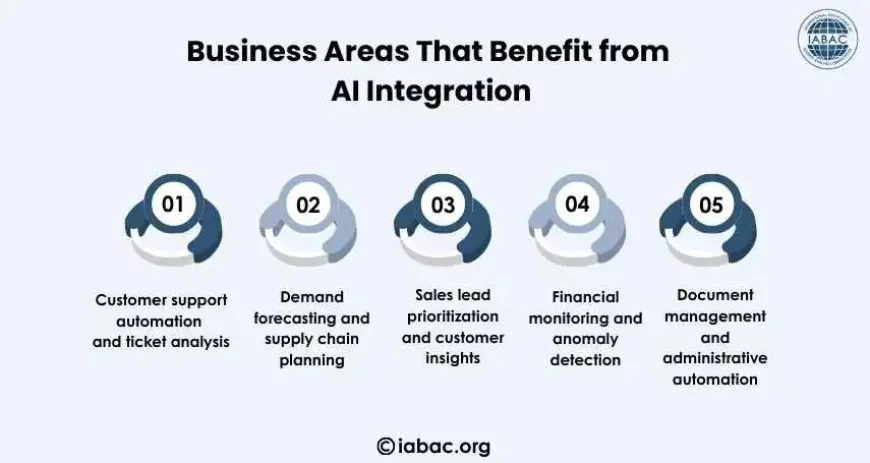
Examples of business areas where AI integration is frequently implemented include:
-
Customer support automation and ticket analysis
-
Demand forecasting and supply chain planning
-
Sales lead prioritization and customer insights
-
Financial monitoring and anomaly detection
-
Document management and administrative automation
Selecting practical AI use cases ensures that integration projects deliver measurable operational value.
Enabling Scalable Digital Transformation
Many organizations begin their AI journey with small experimental projects. While these initiatives may demonstrate potential benefits, expanding AI capabilities across an organization requires a scalable integration strategy.
AI integration helps businesses design infrastructure that supports long-term AI adoption. Consultants build architectures that allow AI systems to operate efficiently as data volumes and operational demands grow.
Scalable AI integration involves selecting infrastructure that supports continuous data processing and model deployment. Cloud platforms often provide flexible environments that allow businesses to expand AI capabilities across departments.
Another important aspect involves establishing standardized workflows for managing AI systems. These workflows ensure that models can be updated, monitored, and optimized as new data becomes available.
Important elements of scalable AI adoption include:
-
Flexible infrastructure capable of handling large data volumes
-
Modular system architecture for integrating AI across platforms
-
Standardized processes for deploying and monitoring AI models
-
Governance frameworks that guide responsible AI usage
-
Continuous evaluation of the AI system performance
Through scalable architecture and structured implementation strategies, businesses can expand AI capabilities while maintaining system stability.
Maintaining Data Security and Compliance in AI Integration
Data security and regulatory compliance are critical considerations during AI implementation. AI systems often rely on sensitive business data, making secure infrastructure essential.
AI integration consulting helps organizations build secure data pipelines that protect information during collection, processing, and analysis. Security frameworks are integrated into the system architecture to ensure data protection across the AI lifecycle.
Businesses operating in regulated industries must also ensure that AI technologies comply with relevant legal and industry standards. Consultants help organizations align AI implementations with compliance requirements related to data protection and operational transparency.
Security strategies typically include several important components.
Organizations implement encryption technologies to protect sensitive information during data transmission and storage. Access control mechanisms ensure that only authorized personnel can interact with critical datasets.
Monitoring systems are also used to detect unusual activity patterns and identify potential security risks early.
Key security measures for AI integration include:
-
Data encryption and secure storage practices
-
Access management policies for AI systems
-
Continuous monitoring of system activity
-
Compliance with industry regulations and data governance policies
-
Documentation for system transparency and audit readiness
By incorporating security frameworks into AI integration strategies, businesses can implement AI technologies responsibly while protecting critical data assets.
Reducing AI Implementation Risks With AI Integration Consulting
AI implementation projects often involve complex system dependencies and operational adjustments. Without structured planning, businesses may encounter compatibility issues, underperforming AI models, or operational disruptions.
AI integration consulting helps reduce these risks through careful planning and technical evaluation. Consultants assess system compatibility, analyze infrastructure requirements, and design solutions that minimize implementation challenges.
Many organizations begin AI adoption through pilot projects. These smaller implementations allow businesses to test AI capabilities before expanding them across departments.
Consultants also guide organizations in selecting AI platforms that align with long-term operational goals.
Important factors considered during AI system selection include:
-
Compatibility with existing business software
-
Scalability for future growth
-
Infrastructure requirements for deployment
-
Long-term maintenance and operational support
Training employees is another important aspect of successful AI integration. Teams must understand how AI tools support their workflows and how to interpret AI-generated insights.
Through structured implementation strategies, AI integration consulting helps businesses adopt artificial intelligence while reducing operational risks.
Successful AI adoption depends on more than selecting the right tools. It requires a structured approach that connects artificial intelligence with existing systems, workflows, and business objectives. Organizations that invest in the right integration strategy are better positioned to improve operational efficiency, strengthen decision-making, and adapt to changing technology landscapes. This is why many businesses seek expert guidance to plan, implement, and optimize AI initiatives effectively. With the right consulting support, companies can integrate AI capabilities into their operations in a way that delivers measurable business value and sustainable growth.