












































Career Growth with a Certificate in Artificial Intelligence
Boost your career with a certificate in artificial intelligence. Gain essential skills in AI, machine learning, and data analysis for better job prospects.


Getting a certificate in artificial intelligence has changed the game for a lot of professionals. This certification helps people gain important technical skills and knowledge that can help them move up in their careers. The organized learning process gives useful information about machine learning, data analysis, and predictive modeling, which professionals can use in their jobs. By earning a certificate in artificial intelligence, individuals not only feel more confident but also find new job opportunities, chances for promotions, and a stronger sense of job security in a world that relies more and more on data.
Getting specialized skills in artificial intelligence is important for advancing your career. By earning a certificate in AI, you can follow a clear path to learn these valuable skills that many employers are looking for. This certification shows that you have technical know-how and that you are dedicated to improving yourself professionally, which can give you an edge when applying for jobs. With an AI certificate, you can boost your career, look into different job opportunities, and stay strong in a world that relies heavily on technology.
What is artificial intelligence?
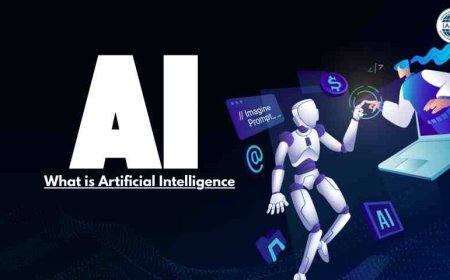
Artificial intelligence (AI) is a field of computer science focused on creating systems and machines capable of performing tasks that typically require human intelligence. These tasks include learning from experience, understanding language, recognizing patterns, solving problems, and making decisions. AI enables machines to process information, reason, and respond in ways that mimic human thought processes, allowing them to operate autonomously in various contexts.
AI is categorized into two main types:
-
Narrow AI (or Weak AI): This type of AI is designed to perform specific tasks, such as voice recognition, image processing, or language translation. Most AI applications we use today, like virtual assistants (e.g., Siri, Alexa) or recommendation algorithms, fall under narrow AI.
-
General AI (or Strong AI): This is a more advanced and theoretical form of AI that would enable machines to understand, learn, and apply intelligence broadly across diverse tasks, much like human intelligence. General AI remains a long-term goal in AI research.
Why Choose a Certificate in Artificial Intelligence?
A certificate in artificial intelligence provides structured learning that caters to beginners and seasoned professionals alike. The certification programs generally cover essential concepts, practical tools, and industry applications, offering a solid foundation for real-world use. Here’s why it’s a smart choice:
1. A Demand for Specialized Skills
With the rise of data-driven decision-making, businesses seek professionals equipped to harness complex datasets and drive insights. This demand has created an opportunity for people with specialized knowledge to step into impactful roles. A certificate demonstrates a commitment to learning, helping candidates stand out in crowded job markets.
2. Career Advancement and Increased Earning Potential
One of the most immediate benefits of a certificate is the potential for career growth and higher earning prospects. Professionals with certified skills often receive competitive compensation as they bring valuable expertise to their roles. According to several industry reports, individuals with formal AI-related credentials are more likely to achieve career milestones faster than those without.
3. Enhancing Adaptability Across Multiple Industries
Artificial intelligence is applied across industries, including healthcare, finance, marketing, and more. Having a certificate equips professionals to adapt their skills to various fields, making them versatile and valuable. This adaptability is key as industries increasingly integrate digital processes into their workflows, relying on certified individuals to drive transformation.
Key Skills You Gain with a Certificate in Artificial Intelligence
Gaining a certificate in artificial intelligence equips professionals with core competencies that can transform their approach to problem-solving, project management, and strategic thinking. Here’s a closer look at the skills one can expect to gain:
-
Data Analysis and Interpretation
Data analysis is a foundational skill for anyone entering AI. A certificate program teaches how to gather, clean, analyze, and interpret data to extract meaningful insights. This capability is crucial in making informed, strategic decisions, especially in roles where data-driven approaches are increasingly valued.
-
Machine Learning Principles
While a full-fledged degree isn’t necessary for understanding machine learning basics, a certificate provides a strong overview of fundamental concepts like supervised and unsupervised learning. These skills help professionals automate processes and predict outcomes with data-driven models, which can be game-changers in many job functions.
-
Application of AI in Real-World Scenarios
From customer service automation to predictive analytics in healthcare, AI applications are vast. Certificate programs often include case studies that expose learners to these practical uses, preparing them to identify and implement AI solutions in their roles. This knowledge enhances problem-solving capabilities in any profession.
Top Careers in Certificate in Artificial Intelligence
Earning a certificate in artificial intelligence opens doors to several high-demand career paths across industries. Here are six of the most promising career options for those with a certification in AI:
1. Machine Learning Engineer
-
Role: Designs and builds machine learning models and algorithms to make predictive analytics possible.
-
Skills Required: Strong programming (Python, R), deep understanding of machine learning algorithms, data preprocessing, and model evaluation.
2. Data Scientist
-
Role: Analyzes complex datasets to derive insights, build predictive models, and support data-driven decision-making.
-
Skills Required: Data analysis, statistics, machine learning, data visualization, and programming skills in Python, SQL, or R.

3. AI Product Manager
-
Role: Manages AI-driven product development, from ideation to deployment, ensuring alignment with business goals and customer needs.
-
Skills Required: Knowledge of AI technology, strong project management skills, customer-focused thinking, and ability to translate technical concepts for stakeholders.
4. Business Intelligence (BI) Developer
-
Role: Uses AI and machine learning to analyze business data, create insights, and support strategic decision-making within an organization.
-
Skills Required: Data warehousing, SQL, data modeling, and an understanding of AI-driven business intelligence tools.
5. Natural Language Processing (NLP) Specialist
-
Role: Focuses on teaching machines to understand, interpret, and respond to human language in useful ways, often used in chatbots and virtual assistants.
-
Skills Required: Linguistics, NLP libraries (like NLTK or spaCy), text processing, and familiarity with deep learning techniques.
6. Computer Vision Engineer
-
Role: Works on enabling computers to interpret and make decisions based on visual data, used in fields like autonomous driving and healthcare.
-
Skills Required: Image processing, deep learning (especially CNNs), OpenCV, and understanding of computer vision algorithms.
How a Certificate in Artificial Intelligence Boosts Your Resume
When aiming to stand out in a competitive job market, credentials play a crucial role. A certificate is tangible proof of commitment to personal and professional development, indicating a willingness to learn and grow. Here’s how it enhances your resume:
1. Verified Skills and Competency
With the increasing reliance on new technologies, employers seek candidates who can demonstrate verified skills. Holding a certificate offers a recognizable qualification that signals proficiency to potential employers.
2. Expanding Your Network and Professional Influence
Many certification programs provide networking opportunities, connecting learners with industry experts and peers who share similar professional goals. This networking can be invaluable for gaining insights, learning about new job openings, or simply staying updated on industry trends.
3. Better Performance in Technical Interviews
A certificate often includes real-world projects and assessments, preparing candidates for technical interviews. By applying concepts learned through coursework, professionals can confidently demonstrate knowledge and problem-solving abilities, which can make a significant difference in interview outcomes.
Where to Pursue a Certificate in Artificial Intelligence
Choosing the right certificate program is essential to ensure quality learning and relevance to industry standards. Here are some key factors to consider when selecting a program:
Accredited Institutions vs. Online Platforms
While universities offer in-depth programs with a strong academic foundation, online platforms like Coursera, edX, and Udacity also provide comprehensive certificates in artificial intelligence. Look for programs that align with your career needs, budget, and preferred learning style.
Length and Format of the Program
Certificates in artificial intelligence vary in length, typically ranging from a few weeks to several months. Programs may be self-paced or structured, with live sessions and mentorship. Selecting the right format ensures the course fits within your schedule and learning preferences.
Evaluating Curriculum and Instructors
The quality of instruction and relevance of the curriculum are crucial. Review course outlines to ensure the topics covered align with industry standards and include practical applications. Courses led by experienced instructors with industry experience often provide more hands-on, applicable knowledge.
The Financial Return on Investment (ROI) of a Certificate in Artificial Intelligence
Investing in a certificate can yield significant returns over time, enhancing job prospects and financial stability. Here’s how this credential can offer a strong ROI:
-
Competitive Salaries and Promotions
Professionals with a certificate in artificial intelligence are often better positioned for promotions and competitive salaries due to the specialized skills they bring. Many industries report a premium for employees with AI-related certifications, as these skills directly contribute to business growth and innovation.
-
Flexible Career Pathways
With a certificate, professionals can pivot to various roles, from data analysis and customer insights to operations optimization. The flexibility of this skill set allows career agility, enabling one to transition smoothly between roles and industries.
-
Long-Term Value in a Changing Job Market
As technology reshapes industries, the skills acquired from a certificate become even more valuable. Professionals with certified expertise often have higher job security, as they contribute critical knowledge and adaptability in a constantly changing workplace.
How to Maximize Your Learning Experience
To fully leverage a certificate in artificial intelligence, consider taking an active approach to your learning journey. Here are some tips for maximizing the experience:
1. Engage with Projects and Real-World Applications
Certification programs often provide hands-on projects that mirror real-world scenarios. Engaging deeply in these projects enhances learning and prepares you for practical applications, building a strong foundation for real-world applications. Many programs allow you to build a portfolio that showcases your achievements to potential employers.
2. Seek Mentorship and Community Support
Connecting with mentors or joining communities of learners can be highly beneficial. Mentorship can offer personalized guidance, helping you navigate challenges, while peer support fosters a collaborative learning environment.
3. Focus on Continuous Learning
A certificate serves as a strong foundation, but continuous learning is essential. Consider enrolling in additional courses, attending workshops, or following industry news to keep skills up-to-date. Continuous improvement keeps your expertise relevant in a dynamic field.
A certificate in artificial intelligence, such as those offered Certifications by IABAC (International Association of Business Analytics Certification) & Training with ATP, can be a catalyst for career growth, offering essential skills that empower professionals to make impactful contributions in their roles. From data analysis and machine learning fundamentals to real-world applications, the knowledge gained through certification is practical, valuable, and immediately applicable across industries. By choosing the right program and fully engaging in the learning experience, professionals can leverage this certification to not only advance their careers but also contribute to meaningful technological progress in their fields.