
























































Data Analyst Course with Placement for Future Success
Master data analysis skills with our comprehensive course, including placement support. Launch a successful career in data analytics today


Starting a career as a data analyst is a life-changing decision that can open doors to exciting opportunities. From my experience in the analytics field, I’ve seen how the right Data Analyst Course with Placement can make all the difference. These courses not only teach technical skills but also help you apply them to real-world problems. A program with placement support doesn’t just stop at teaching—it connects you to actual job opportunities, giving you the chance to put your learning into action. For anyone dreaming of a successful career in data analytics, choosing a course that focuses on building your skills and helping you secure a job is essential. It’s a practical and effective way to turn your goals into reality.
What is a Data Analyst Course with Placement?
A Data Analyst Course with Placement is a training program that teaches the main skills needed to work in data analysis. These courses, offered by universities, online learning platforms, and professional organizations, also provide job placement support to help participants start their careers. Common topics covered in these courses include:
- Data Collection and Cleaning: Learning to gather data from different sources, organize it, and clean it to make sure it’s accurate and ready for analysis.
- Statistical Analysis: Using statistical methods to understand data and make decisions based on findings.
- Data Visualization: Learning how to create charts and graphs with tools like Tableau, Power BI, or Excel to make complex data easier to understand.
- Programming Skills: Getting comfortable with programming languages like Python or R, which help manage large datasets and automate analysis tasks.
- Database Management: Learning to use databases, especially SQL, to access and manage data effectively.

Benefits of Taking a Data Analyst Course with Placement
Completing a Data Analyst Course with Placement can provide several important benefits, especially with the added job support. Key benefits include:
- Better Job Opportunities: A recognized course can help you qualify for entry-level and even more advanced positions, making you a stronger job candidate.
- Skill Development: Courses offer structured lessons, allowing you to build skills that are in demand across the industry.
- Higher Earning Potential: Certified professionals often earn more than those without formal training.
- Professional Credibility: A respected course adds value to your resume, showing employers your dedication and skill level.
- Career Flexibility: Data analysis skills are needed in many industries, including healthcare, finance, marketing, and tech, giving you the chance to work in a variety of fields.
Who Can Take a Data Analyst Course with Placement?
A Data Analyst Course with Placement is available for everyone, whether you're a fresh graduate or an experienced professional. While some programs may prefer backgrounds in fields like computer science or business, many beginner courses have no strict requirements and start with the basics. Advanced courses might ask for knowledge of tools like SQL or Python, but beginner options are perfect for those with little or no experience. To succeed in this course, you need a logical mindset, strong analytical skills, and a willingness to learn.
- Educational Background: Some courses may ask for a bachelor’s degree, usually in areas like computer science, math, statistics, business, or similar fields. However, many beginner courses have no strict requirements, allowing people from non-technical backgrounds to join.
- Technical Skills: Advanced courses might expect you to know certain tools and programming languages (like SQL, Python, or Excel). But many beginner courses cover the basics, so you can start with minimal technical experience.
- Work Experience: Higher-level certifications, such as the Certified Data Analyst or SAS Certified Advanced Analytics Professional, may require a few years of experience in data-related roles. Most beginner and intermediate courses, like those from Google and IBM, are perfect for those with little or no experience.
- Analytical Mindset: Although not a requirement, having a curious mindset helps. Data analysts often work through challenging data issues, so logical thinking and attention to detail are valuable.
- Commitment to Learning: Some courses require a few months of dedicated study. Be prepared to invest time in coursework, projects, and exams.
Key Topics You'll Learn
In a Data Analyst Course with Placement, you’ll cover:
- Data Essentials: The basics of working with data, including data cleaning, organizing, and preparing for analysis.
- Tools & Technologies: Practical training with essential tools like SQL, Python, Tableau, and Excel.
- Data Visualization & Basic Machine Learning: How to interpret and present data clearly, along with an introduction to machine learning techniques.
- Soft Skills: How to communicate your findings effectively and solve data-related business challenges.
What are the tasks of a data analyst?
-
Data Collection: Gathering data from different sources like databases, spreadsheets, or online platforms.
-
Data Cleaning: Fixing any errors in the data so it’s accurate and ready for analysis.
-
Data Analysis: Using math and statistics to find patterns or trends in the data.
-
Reporting: Making reports or dashboards to share findings with others.
-
Data Visualization: Creating charts and graphs to help explain the data.
-
Data Interpretation: Turning the numbers into clear insights that can guide decisions.
-
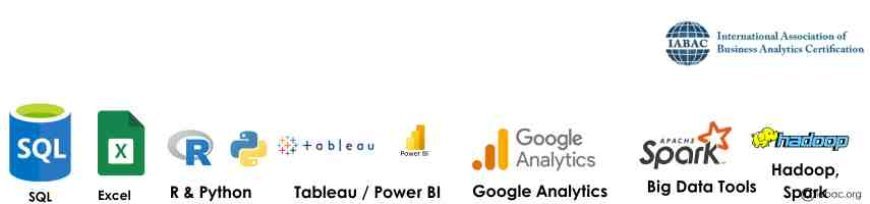
SQL: For managing and retrieving data from databases.
-
Excel: Used for organizing and analyzing data.
-
Python & R: Programming languages for more complex analysis and automating tasks.
-
Tableau / Power BI: Tools for creating interactive charts and reports.
-
Google Analytics: For tracking website data and user behavior.
-
Big Data Tools (e.g., Hadoop, Spark): For processing large sets of data.
Skills Needed:
-
Statistical Knowledge: Understanding of how to use statistics to analyze data.
-
Data Cleaning: The ability to fix messy or incomplete data.
-
Problem-Solving: Thinking critically to find useful patterns and insights.
-
Communication: Explaining findings clearly to people who may not be experts in data.
-
Attention to Detail: Making sure the data is accurate and correctly interpreted.
What is the educational background of a data analyst?
Data Analysts typically have a degree in fields like:
-
Computer Science
-
Statistics
-
Mathematics
-
Economics
-
Business
-
Engineering
Some roles may also require extra training or certifications in data analysis tools or techniques.
Tips for Choosing the Right Course
When picking a course, keep an eye out for:
- Recognized Accreditation: Look for programs certified by recognized bodies, like IABAC, to ensure your credentials will be valued in the job market.
- Practical Projects: Courses that include real-world projects help you build a strong portfolio to show employers.
- Placement Success Rate: Research the course’s track record for placements and career support, such as mentorship and mock interview prep.
Steps for Success in Your Course and Placement
To make the most of your Data Analyst Course with Placement, follow these steps:
1. Set Clear Goals: Before starting, think about the type of job or industry you’d like to enter. This helps you focus your learning on skills that match those goals.
2. Build a Strong Foundation: Take the time to learn the basics, such as working with data, understanding statistics, and practicing core programming. These are the building blocks of more advanced skills.

3. Use Career Support:
- Mock Interviews: Practice interviewing to gain confidence and improve your communication skills.
- Resume and LinkedIn Help: Take advantage of career services to create a resume and LinkedIn profile that highlight your projects and IABAC certification.
- Networking: Connect with other students, instructors, and professionals through events, webinars, or forums. Networking can open doors to job opportunities that go beyond the course placement.
4. Create a Portfolio: Complete all assignments and projects during the course to build a portfolio. This will serve as proof of your abilities when interviewing for jobs, giving you real examples to show your skills.
5. Make the Most of Your Placement: Once you start your placement, approach it as a learning experience. Be open to taking on new tasks, ask questions, and seek feedback to improve your work. Build connections with your colleagues and supervisors, as these relationships can help you with future job opportunities or references.
6. Keep Learning: Data analytics is a field that changes quickly, with new tools and techniques always emerging. Stay up-to-date by reading industry news, taking short online courses, and earning extra certifications if you’re interested in areas like advanced analytics or big data.
How does placement support work in a Data Analyst Course with Placement?
A Data Analyst Course with Placement provides students with the support they need to find a job after completing their training. It starts with career counseling to help students figure out their career goals and find the right job roles. The support includes resume building, where experts help students create resumes that highlight important skills like Excel, SQL, and Tableau. Students also get mock interviews and interview preparation, so they are ready for both technical and behavioral questions. Soft skills training is another key part, focusing on improving communication, problem-solving, and teamwork, which makes students more attractive to employers.
A Data Analyst Course with Placement can be a great choice for anyone interested in building a career in data analysis. Whether you’re just starting or already have some experience, there are courses for every level. By completing a data analyst course, you’ll gain valuable skills and improve your chances of finding a rewarding job in various fields. Choosing the right course can set you up for success in data analysis, equipping you with the skills, recognition, and confidence to thrive in this growing field.