

























































Where to Start Data Science Courses in London
Find the best data science courses in London to kickstart your career. Learn from top institutes offering beginner to advanced level programs.


When I first started learning about data science in London, I felt overwhelmed by the many options available. There were so many data science courses in London to choose from, and I wasn’t sure where to begin. As I explored different programs, I realized that this field offers not only various ways to learn but also great career opportunities. While going through multiple data science certifications, I developed a clear understanding of what it takes to succeed. Through my experience, I want to help others who are looking for the best ways to learn data science in London. Let me share some of the top options that can help you get started on the right path!
Why Choose Data Science in London?
London is a leading center for education and technology, making it an excellent place to study data science. Here’s why:
-
High demand for data scientists: Many global companies in London are looking for skilled professionals in data science.
-
Various learning options: You can choose from universities, bootcamps, and online courses.
-
Networking opportunities: London has many meetups, hackathons, and industry events where you can connect with experts.
-
Career opportunities: Completing a data science course in London can open doors to jobs in finance, healthcare, and technology.
Study Data Science in London?
London is one of the best places to study data science because it has top universities, a strong technology industry, and many networking events. Universities like Imperial College London and UCL provide high-quality data science courses in London, preparing students for careers in major companies like Google and Microsoft.
Important Skills for Data Science
To succeed in data science in London, students need to develop key skills, including:

-
Programming – Learn Python, R, and SQL for working with data.
-
Mathematics & Statistics – Understand probability, linear algebra, and statistical models.
-
Data Visualization – Use tools like Tableau and Power BI to present findings.
-
Machine Learning – Work with TensorFlow and Scikit-learn to build AI models.
-
Problem-Solving – Analyze large data sets and find meaningful patterns.
How to Get Started with Data Science Courses in London
If you are interested in data science in London, here are some steps to begin your journey:
-
Take a Course – Many universities and online platforms like Coursera offer data science courses.
-
Work on Projects – Join Kaggle competitions or create your own projects.
-
Attend Events – Meet other data professionals through workshops and meetups.
-
Gain Experience – Apply for internships to build real-world skills.
How to Start Learning Data Science in London
1. Define Your Goals
Before picking a course, think about what you want to achieve. Do you need a beginner-friendly program, an advanced data science course, or a focus on specific areas like machine learning or big data?
2. Choose the Right Type of Course
There are different ways to study data science in London, depending on your learning style:
-
University Degrees: A full data science course from a university offers a strong foundation. Many universities in London offer bachelor’s and master’s degrees in data science.
-
Bootcamps: Short, intensive programs that teach practical skills quickly.
-
Online Courses: A flexible option for those who want to study at their own pace.
-
Certifications: These can help you prove your skills and improve your job prospects.
3. Get a Recognized Certification
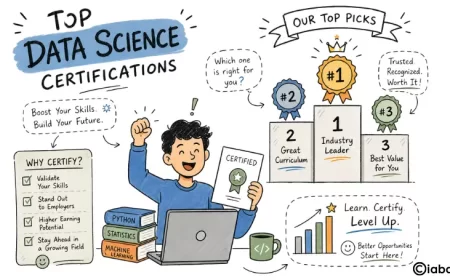
Certifications show employers that you have the right skills. One well-known provider is IABAC (International Association of Business Analytics Certifications). Their Data Science Certifications cover key topics and are recognized worldwide.
4. Gain Hands-on Experience
Data science is a practical field, so hands-on learning is important. Choose a course that includes:
-
Real-world projects and case studies
-
Hackathons and competitions
-
Internship opportunities
5. Check the Course Content & Instructors
A good data science course should cover important topics like:
-
Python and R programming
-
Data analysis and visualization
-
Machine learning and AI
-
Big data technologies
-
Business analytics
Experienced instructors with industry knowledge can provide useful insights and guidance.
6. Look for Career Support
Some Data Science Courses in London offer career services, such as resume reviews, interview preparation, and job placement support. These services can help you enter the job market with confidence.
Career Opportunities in Data Science
With the growing demand for data experts, data science courses in London can lead to careers in many fields, including finance, healthcare, and e-commerce. Some common job roles include:
-
Data Scientist – Finds trends and patterns in data.
-
Data Analyst – Processes data and creates reports.
-
Machine Learning Engineer – Builds AI models for automation.
-
Business Intelligence (BI) Analyst – Uses data to help companies make decisions.
Starting a data science course in London is a great step toward a successful career. With many learning options available, it’s important to pick a course that fits your goals and preferred learning style. A Data Science Certification from a recognized provider like IABAC can further boost your credentials. Stay focused, keep practicing, and take advantage of London’s many learning and networking opportunities to build a strong future in data science. Are you ready to start your journey in data science in London? Explore your options today and take the first step toward a rewarding career!