



































When I first started exploring Data Analytics, I was amazed by how much impact data could have on shaping business decisions and strategies. Over time, I realized that mastering Data Analytics is not just about dealing with numbers—it's about finding valuable insights that can help businesses grow and improve. Through my experience, I've seen how companies use analytics to spot trends, improve operations, and enhance customer experiences. In this guide, I’ll walk you through the key ideas, tools, and techniques in Data Analytics, sharing practical examples and lessons that have helped me better understand this powerful field. If you're thinking about getting certified, Data Analytics Certifications can be a great way to dive deeper into this subject and build your skills.
What is Data Analytics?
Data Analytics is the process of studying data to understand what it means. Analysts use numbers, statistics, and technology to find patterns and key details in data. These insights help businesses make better decisions, understand customer needs, and stay ahead of their competitors. At its core, Data Analytics helps individuals and companies use data to improve their choices—whether that’s understanding what’s going well, what needs to be fixed, or where to focus next.
How it works in simple steps:
Here’s a simple breakdown of how data analysis is done
-
Collecting Data: Data comes from various places, like websites, surveys, sales records, or social media.
-
Organizing Data: After collecting data, it’s cleaned up to remove mistakes and organized so it can be analyzed easily.
-
Analyzing Data: Using math and tools, analysts look for trends, patterns, or surprising insights.
-
Making Decisions: Once the analysis is complete, businesses use the insights to make smart decisions and improve their operations.
How to Learn Data Analytics
To become a data analyst, you’ll need to build a strong foundation in statistics and understand how to work with data. Key topics to learn include probability, regression analysis, and hypothesis testing. You’ll also want to get comfortable with tools like Python and R—two popular programming languages for data analysis. These tools allow you to manipulate data, find trends, and build models.You can gain hands-on experience by working on real-world projects. There are plenty of online resources and communities that can help you stay up to date with the latest trends and techniques in Data Analytics.
Understanding Data Analytics
Before delving deeper, let's first grasp the fundamental concept of data analytics. Simply put, it's the process of examining, cleaning, transforming, and modelling data to extract meaningful information, draw conclusions, and support decision-making.
Data analytics involves various sub-fields, including descriptive analytics (what happened), diagnostic analytics (why it happened), predictive analytics (what could happen), and prescriptive analytics (what should be done). This field is integral in sectors like healthcare, finance, retail, and even sports, where it's used to predict future trends, improve performance, and drive strategic decision-making.
There are different types of Data Analytics:
Data Analytics isn’t just one thing—it has different approaches depending on what you’re trying to find out:
-
Descriptive Analytics: Looks at past data to explain what happened.
-
Diagnostic Analytics: Investigates why something happened.
-
Predictive Analytics: Uses past data to forecast what might happen in the future.
-
Prescriptive Analytics: Recommends actions to take based on the insights from data.
Each of these helps businesses in different ways, from understanding the past to preparing for the future.
Tools Used in Data Analytics
To make the most of Data Analytics, analysts use different tools to collect, clean, analyze, and visualize data. Here’s an overview of the main tools you’ll use:
-
For Storing and Organizing Data:
-
SQL Databases (e.g., MySQL): These are used to store data in tables, making it easy to retrieve.
-
NoSQL Databases (e.g., MongoDB): These handle data that doesn’t fit neatly into tables, offering more flexibility.
-
For Analyzing Data:
-
Python: A flexible programming language that comes with many libraries designed for data analysis.
-
R: A language specifically designed for statistical analysis, great for discovering trends and patterns.
-
For Visualizing Data: Tableau and Power BI: These tools allow you to turn raw data into charts and graphs, making it easier to understand and communicate your findings.
-
For Data Transformation: ETL Tools (e.g., Talend): These help collect, clean, and organize data from different sources into one place.
-
For Advanced Analysis: Machine Learning Tools (e.g., TensorFlow): These tools help create models that "learn" from data to predict future trends or identify patterns.
-
For Web Data: Google Analytics: A tool that tracks website visitor data, such as where they come from and what they do on the site.
Importance of Data Analytics
Data Analytics is crucial because it helps businesses make better, more informed decisions. Here’s why it’s so important:
-
Better Decisions: Data gives you the facts you need to make smart choices.
-
Spotting Trends: It helps identify key trends that can shape future decisions.
-
Improving Efficiency: Data helps businesses streamline processes, saving both time and money.
-
Understanding Customers: With data, companies can better understand what their customers want and improve their products or services.
-
Staying Ahead of Competitors: Analyzing data can reveal opportunities that competitors might miss.
-
Managing Risk: By looking at past data, businesses can predict potential problems and address them before they escalate.
Data Science vs Data Analytics
Though both Data Analytics and Data Science deal with data, they’re not exactly the same:
-
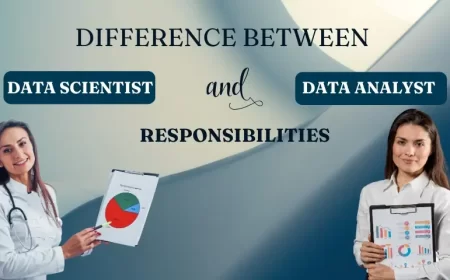
Data Science: This is a broader field. It involves using advanced techniques like machine learning and AI to solve complex problems and create new models for handling large amounts of data. Data Scientists typically build tools and systems that help process and analyze data.
-
Data Analytics: Focuses on analyzing existing data to find trends and insights that help businesses make decisions. Data Analysts use statistical methods and reporting tools to interpret data and support decision-making.
Both fields are essential, but Data Analytics is more about interpreting data to guide decisions, while Data Science involves building new models and systems for data.
The Power of Business Analytics
Business Analytics is about using data to make businesses run better. By analyzing data, businesses can find trends and patterns that influence important decisions. With tools like statistical analysis, data mining, and predictive models, businesses can improve their performance, find new opportunities, and manage risks.
Skills for Data Analysts
While tools are important, the skills behind the tools are what really matter. To become a strong Data Analyst, focus on developing these key skills:
-
Statistical Knowledge: A solid understanding of statistics is essential to make sense of data and draw accurate conclusions.
-
Programming Skills: Knowing how to use languages like Python, R, and SQL is necessary for handling and analyzing data.
-
Machine Learning: Understanding machine learning techniques can help you predict trends and make data-driven decisions.
-
Data Visualization: Being able to present data clearly through charts and graphs is important for communicating your findings.
-
Business Understanding: Knowing how data relates to business goals is crucial for making sure your analysis has a real-world impact.
Choosing the Right Data Analytics Courses
If you’re just getting started with Data Analytics, it’s important to choose the right courses to build a strong foundation. Here’s how to pick the best ones:
-
Know Your Goals: Are you looking to learn the basics, or do you want to specialize in areas like machine learning or data visualization?
-
Check Accreditation: Look for courses that are accredited by recognized institutions to ensure they’re high-quality.
-
Course Content: The course should cover important topics like data analysis methods, statistics, and hands-on projects.
-
Experienced Instructors: Choose courses taught by experts who have real-world experience and can offer valuable insights.
-
Interactive Learning: Look for courses with practical case studies, projects, and opportunities to apply what you learn.
-
Flexibility: Make sure the course fits your schedule and learning style.
-
Read Reviews: Check reviews from other students to see if the course meets your expectations.
Choosing the Right Data Analytics Certification
Data Analytics Certifications can help boost your resume and show employers that you have the skills they’re looking for. Here are some tips for choosing the right certification:
-
Industry Recognition: Look for certifications from well-known organizations, like IABAC (International Association of Business Analytics Certifications).
-
Curriculum: The certification should cover key areas like data collection, analysis, and reporting.
-
Practical Skills: Choose certifications that include hands-on projects so you can gain real-world experience.
-
Cost and Time: Consider the cost and how long it will take to complete the certification.
-
Read Reviews: Look at reviews from people who have taken the certification to see if it’s worth your time and money.
Trends In Data Analytics
Data Analytics is always changing. Here are some trends to watch:
-
Machine Learning and AI: These technologies are increasingly being used in data analysis to predict trends and find hidden patterns.
-
Real-Time Analytics: More businesses are using real-time data to make faster decisions, especially in industries like finance.
-
Augmented Analytics: AI-powered tools are being used to automate tasks like data preparation and insight generation, making it easier for everyone to use data.
-
Data Ethics and Privacy: As data collection grows, companies are focusing more on handling data responsibly and ensuring they comply with privacy laws.
Career Opportunities in Data Analytics
The demand for skilled data analysts is growing fast. From 2020 to 2030, data analytics jobs are expected to grow by 16%, much faster than most other jobs. Here are some of the career roles you can explore:
-
Data Analyst: Interpret data and provide insights to help businesses improve their operations.
-
Data Scientist: Build models and algorithms to predict future trends and solve complex problems.
-
Data Engineer: Build and maintain the systems that store and process data.
-
Business Intelligence Analyst: Analyze market trends and help businesses understand their performance.
Scope Of Data Analytics
The scope of data analytics is vast and encompasses various industries and functions. Essentially, data analytics involves the process of analyzing data to uncover insights and make informed decisions. In today's data-driven world, its applications are widespread.
-
In business, data analytics is used for strategic decision-making, customer segmentation, market analysis, and performance optimization. It helps businesses understand customer behaviour, preferences, and trends, leading to improved products, services, and marketing strategies.
-
In finance, data analytics is crucial for risk management, fraud detection, and portfolio optimization. It helps financial institutions assess creditworthiness, detect anomalies, and make investment decisions based on data-driven insights.
-
In healthcare, data analytics plays a vital role in patient care, disease management, and medical research. It enables healthcare providers to identify trends, predict patient outcomes, and personalize treatment plans based on individual patient data.
-
In marketing, data analytics is used for targeting the right audience, measuring campaign effectiveness, and optimizing marketing strategies. It helps marketers understand consumer preferences, track engagement metrics, and drive better ROI on marketing investments.
What is a Data Analytics Job
A Data Analytics job involves using data to discover meaningful patterns, trends, and insights that aid decision-making within an organization. Professionals in this field, commonly known as Data Analysts, play a crucial role in interpreting complex datasets and providing actionable information. Here's a breakdown of what a Data Analytics job typically entails:
-
Collect and examine raw data from various sources to understand the dataset's structure, variables, and potential challenges.
-
Remove errors, handle missing values, and ensure data consistency to prepare clean data for accurate analysis and interpretation.
-
Apply statistical methods and data analysis techniques to derive insights, identify trends, and draw conclusions from the data.
-
Create charts, graphs, and dashboards to present findings visually, making complex data more understandable for decision-makers.
-
Summarize findings in reports or presentations to communicate insights and recommendations to stakeholders.
-
Use statistical and machine learning models to forecast future trends, supporting proactive decision-making based on anticipated outcomes.
-
Iterate analyses based on feedback and changing business needs to ensure that data-driven insights remain relevant and useful.
-
Work with cross-functional teams, including IT, business, and management, to ensure a holistic approach to data utilization and problem-solving.
-
Utilize tools like Excel, SQL, Python, and data visualization platforms for efficient and effective analysis.
-
Adhere to data privacy and ethical guidelines, protecting sensitive information and ensuring responsible data use.
In this complete guide to data analytics, we've covered everything from the basics to choosing careers. We talked about learning the essentials, using tools, and understanding the differences between data science and analytics. We highlighted the importance of business analytics and the many job opportunities available. The guide also touched on the skills you need, picking the right courses, and staying updated with new trends. Whether you're just starting or looking to advance, remember to keep learning and adapting to the exciting world of data analytics.