
















































Can Data Science Really Predict Human Behavior?
How data science predicts human behavior through patterns, models, and analytics, and explores its limits, uses, and ethical challenges.


Every day, people create huge amounts of digital activity without even noticing it. We buy things online, watch videos, search for answers, use social media, and track health through apps. All of this creates information that builds up over time.
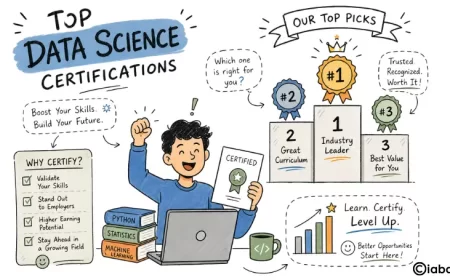
Companies and researchers use this information to understand patterns and even guess what people might do next. This is where Data Science plays an important role, especially through Data Science Certifications and strong Data Science Foundation learning.
It raises an interesting question: can science really predict human behavior? Can data and simple models help guess if someone will buy a product, watch something online, or notice early signs of health issues?
This idea is both interesting and a little surprising, because it shows how much our everyday actions can be understood through Data Science.
How Data Science Tries to Predict Behavior
Data science is about learning from data. When it comes to predicting behavior, the process usually works like this:
-
Collecting Data
Everything starts with data. This could be your online shopping history, the posts you like on Instagram, your location data from a mobile app, or even health information from a smartwatch.
-
Finding Patterns
Algorithms look for trends in this data. For example, if many people who buy protein powder also buy running shoes, the system learns that these two actions are connected.
-
Building Models
Data scientists use machine learning models to test these patterns. The models learn from past behavior and then use that knowledge to predict future behavior.
-
Making Predictions
Once trained, these models make forecasts. For example, a model might predict that you’re likely to stop using a subscription, so the company sends you a discount to keep you from leaving.
It’s not about Success-telling—it’s about calculating probabilities based on what people with similar behavior have done before.
Everyday Examples of Predictive Data Science
You may not notice it, but data science predictions shape much of your daily life:
-
Netflix and Spotify: They recommend shows or songs based on what you and others like you have enjoyed in the past.
-
Amazon and E-commerce: Online stores suggest products that you’re most likely to buy next.
-
Banking and Finance: Banks flag unusual spending patterns to catch fraud before it happens.
-
Healthcare: Doctors and apps use data to predict health risks, like the chance of developing diabetes.
-
Digital Ads: The ads you see online are not random—they’re based on predictions about what you might click on.
These systems are not always perfect, but they are accurate often enough to keep you engaged, safe, or spending money.
Where Data Science Predictions Work Well
Data science predictions are most reliable in areas where people follow patterns or routines.
-
Shopping and Consumer Behavior
Retailers know when you’re likely to reorder products or what you might be interested in next. Grocery apps, for example, often remind you when it’s time to buy essentials.
-
Healthcare
Predictive models help doctors identify patients at risk of certain diseases early. Wearable devices like smartwatches can even alert users when something looks unusual in their heart rate.
-
Finance
Credit scores predict how likely someone is to pay back a loan. Fraud detection systems can quickly stop suspicious transactions.
-
Operations and Supply Chains
Businesses use predictions to decide how much stock to order and when. This reduces waste and avoids shortages.
These areas work well because the data is structured, repetitive, and influenced by measurable factors.
The Limits of Predicting Human Behavior in Data Science
As powerful as these tools are, predicting human behavior has serious limits.
-
Human Emotions
People don’t always act logically. A person may eat healthy food one week and switch to junk food the next simply because of stress or mood. Emotions are hard to measure and harder to predict.
-
Context Matters
Decisions often depend on context. You might usually take a bus to work, but on a rainy day, you call a taxi. Unless the model has weather data, it won’t predict this change.
-
Biased Data
Predictions are only as good as the data they’re built on. If the data is incomplete or biased, the results will also be biased. Predictive policing is one example where algorithms have reinforced existing inequalities.
-
Correlation vs. Causation
Just because two things happen together doesn’t mean one causes the other. Models often confuse correlation with causation, which can lead to wrong predictions.
-
Unexpected Events
Predictions can fail when the world changes suddenly. The COVID-19 pandemic made many predictive systems useless overnight because people’s habits shifted drastically.
These limits show that data science is not magic. It can suggest what is likely to happen, but it cannot guarantee what will happen.

Ethical and Privacy Concerns
Using data to predict human behavior brings up important ethical questions:
-
Privacy: Many people feel uncomfortable when platforms know too much about them. Personalized ads can feel like surveillance.
-
Surveillance Risks: Governments may use predictive analytics for monitoring citizens, which raises questions about freedom and control.
-
Discrimination: Predictions can unfairly disadvantage certain groups if the data used to train them is biased. For example, some hiring algorithms have been shown to favor certain demographics over others.
-
Consent: Often, users don’t fully understand how their data is being collected or used. This lack of transparency can erode trust.
These issues highlight the need for clear rules and ethical practices in how data predictions are made and applied.
Is It Really Prediction?
This brings us back to the key question: can we say that data science predicts human behavior?
-
Yes, in some ways: When there’s enough clean data, and the behavior follows a pattern, predictions can be highly accurate. Think of predicting whether someone will click on an ad or reorder groceries.
-
No, not completely: Human behavior is influenced by free will, emotions, and random events. Models cannot account for everything.
A fair way to describe it is that data science doesn’t predict with certainty—it estimates probabilities. It’s more about forecasting tendencies than foreseeing exact actions.
What It Means for Businesses and Society
For businesses, predictive data science is a powerful tool, but it should be used with care:
-
Use predictions wisely: Apply them where they work best, like demand forecasting or fraud prevention.
-
Don’t over-rely: Combine data-driven insights with human judgment.
-
Be transparent: Explain to customers how their data is being used.
-
Act responsibly: Avoid practices that might harm trust or fairness.
For society, the bigger question is balance. Predictive analytics can improve healthcare, education, and efficiency. But it can also threaten privacy and fairness if misused. The challenge is finding a middle ground where the benefits outweigh the risks.
So, can data science predict human behavior? The answer is partly yes. It can spot patterns and probabilities, especially in areas like shopping, finance, streaming, or healthcare. But it cannot fully predict complex choices shaped by emotions, context, or random events.
Think of it as a guide, not a guarantee. Businesses can use predictions to improve services, but they must respect privacy and ethics. For individuals, it’s important to know that while algorithms can influence us, they do not control us.
In the end, data science reduces uncertainty, but it cannot take away the unpredictability that makes us human.