

















































How a Data Analytics Certification Can Boost Your Career
Boost your career with a data analytics certification. Gain in-demand skills, stand out to employers, and open new job opportunities in a growing field.


In the past few years, data has become one of the most important resources for businesses. From large tech companies to local stores and hospitals, organizations use data to make smarter decisions. It helps them understand customers, improve products, plan marketing, and run operations better.
As this trend grows, so does the need for people who can work with data. Employers want professionals who can not only collect and organize information but also turn it into insights that can guide actions.
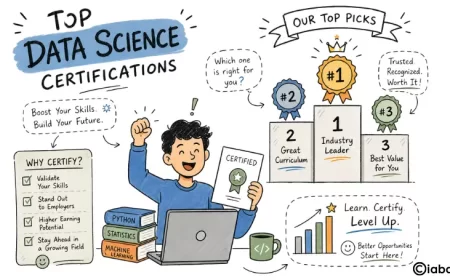
A data analytics certification is one way to learn and prove these skills. Unlike a university degree, which can take years, a certification is shorter, more focused, and usually more affordable. In today’s job market, where employers value proven skills, this can help both job seekers and working professionals stay competitive.
Current Job Market Overview
The Growth of Data-Related Roles
According to multiple industry reports, jobs in data analytics, business intelligence, and related fields are growing faster than the average for many professions. Businesses in sectors like finance, healthcare, retail, logistics, and marketing all need professionals who can interpret data.
For example:
-
A retail company may hire analysts to predict which products will be in demand next season.
-
A hospital might need data specialists to track patient care outcomes and improve services.
-
A logistics company could use analytics to plan more efficient delivery routes.
The Skills Gap
Many companies can’t find enough people who know how to use tools like Excel, SQL, Python, Tableau, or Power BI. This means people who learn these skills and get certified have more job opportunities.
Benefits of a Data Analytics Certification
1. Proof of Skills
A certification shows employers that you’ve completed structured training in data analytics. This is particularly helpful if your degree is in another field or if you’re entering the job market for the first time.
2. Faster Path to Employment
Most certification programs take a few months to finish, compared to years for a degree. This means you can enter or re-enter the job market more quickly.
3. Career Growth
If you already work in fields like marketing, finance, or operations, adding a certification can help you move into higher-level roles or increase your salary potential.
4. Career Change
If you’re moving from an unrelated field—such as education, administration, or sales—a certification can help you develop the technical skills employers want.
5. Cost-Effective Learning
Certificates are generally more affordable than full degrees. Many are available online, so you can keep working while studying.
Why It Matters in Today’s Market
Businesses Depend on Data for Decision-Making
From setting prices to launching new products, organizations now use data analytics at every stage of decision-making. A professional who can collect, process, and present data clearly becomes an asset to any team.
Stand Out in a Competitive Field
When multiple candidates apply for the same role, a certification can help your resume stand out. It signals that you’ve invested in learning skills that are relevant and up to date.
Opportunities in Remote and Global Work
Data analytics jobs often require only a laptop and an internet connection, making them suitable for remote work. This allows you to apply for positions outside your local area, expanding your career options.
Preparation for Future Technologies
Analytics skills connect directly with areas like artificial intelligence, machine learning, and automation. Gaining a certification now positions you to adapt as these fields grow.
Skills You Gain from a Data Analytics Certification
A good certification program will typically cover:
-
Data cleaning and preparation – Making raw data ready for analysis.
-
Data visualization – Using tools like Power BI or Tableau to present findings.
-
Database management – Writing SQL queries to extract data.
-
Statistical analysis – Understanding data patterns and trends.
-
Programming – Learning languages like Python or R for advanced analysis.
These skills are in demand across multiple industries, making them highly transferable.
How to Choose the Right Certification Program
1. Accreditation and Reputation
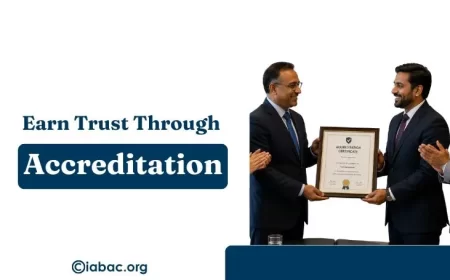
Choose a certification from a recognized institution or a well-known training provider. This increases employer trust in your qualification.
2. Curriculum
Check if the course covers core tools and techniques, including Excel, SQL, Python, R, and visualization platforms.
3. Practical Projects
Programs that include real-world projects allow you to create a portfolio, which can help in job interviews.
4. Industry Recognition
Search for job postings in your target field to see which certifications are most valued by employers.
5. Flexibility
If you are working, consider online or self-paced options to manage your time effectively.
Industries That Believe in Data Analytics
Healthcare – Managing patient data, predicting healthcare needs, and improving treatment efficiency.
Finance – Risk assessment, fraud detection, and investment performance tracking.
Retail & E-Commerce – Understanding customer buying patterns, managing stock levels, and setting prices.
Logistics – Planning delivery routes, reducing costs, and forecasting demand.
Marketing – Tracking campaign results, identifying audience segments, and improving engagement strategies.
The versatility of data analytics means your skills can be applied in almost any sector.

Future Outlook for Data Analytics Careers
The demand for analytics professionals is expected to grow steadily in the next five to ten years. Businesses will continue to collect large amounts of data, and the need for skilled analysts to interpret that data will remain strong.
Emerging specializations include:
-
Predictive analytics – Using data to forecast trends.
-
Big data analytics – Working with massive and complex datasets.
-
AI-driven analytics – Combining AI algorithms with data analysis for faster insights.
By starting now, you can build a strong foundation and be ready for these evolving roles.
A data analytics certification is more than just a piece of paper—it’s a way to learn in-demand skills, prove your abilities, and stay relevant in a fast-changing job market. Whether you’re starting your career, aiming for a promotion, or switching fields, a certification can help you take the next step.
With businesses continuing to depend on data for decision-making, gaining a certification now can open opportunities not only in your current industry but also in new sectors and remote work environments. By investing in these skills today, you’re preparing yourself for the future of work.