



























































What is meant by data visualization
Data visualization means turning data into visual forms like charts or graphs. It helps people easily understand and analyze information.


As someone who has spent years learning how data shapes our world, I’m excited to explain what data visualization means. Imagine taking a large set of numbers and turning them into simple, clear pictures like charts, graphs, or maps. That’s what data visualization does—it makes complex information easy to see and understand. Whether looking at science trends, studying statistics, or working on an Institute project, it helps bring information to life. Learning this skill makes things easier to understand and helps you share your ideas clearly with others.
What is Data Visualization
Data Visualization shows information and data using pictures like charts, graphs, maps, and dashboards. It helps people quickly see patterns, trends, and insights from complicated numbers and data by turning them into simple visuals anyone can understand.

Here are the key points about Data Visualization:
- Clarity: It simplifies data, making it easier to understand.
- Accessibility: It makes complex information easy to approach for everyone.
- Decision Support: It helps people make better decisions by showing useful insights visually.
By mixing creativity with careful analysis, Data Visualization connects raw data to meaningful understanding that helps people take action.
What is visualization
Visualization refers to the process of representing data or ideas in a visual format that is easy to understand. When applied to data, this is called data visualization (also known as information visualization). It involves converting raw numbers and complex information into visual forms like charts, graphs, or maps.
These visuals make it easier for people to identify patterns, trends, or key insights quickly, without having to sift through large amounts of raw data. For example, bar charts, line graphs, or heatmaps can simplify complex datasets and reveal important details at a glance.
Data visualization bridges the gap between numbers and human perception, helping us understand and communicate information more effectively. It plays a crucial role in decision-making, as it allows people to absorb and interpret data visually, leading to better insights and clearer explanations.
Skills Needed for Data Visualization
To do well in data visualization, you need a mix of technical know-how and creative thinking. Here’s a breakdown of the skills you’ll need:

1. Technical Skills
- Knowledge of Visualization Tools: Be comfortable using tools like Tableau, Power BI, QlikView, or Looker.

- Programming Basics: Learn how to use Python (Matplotlib, Seaborn, Plotly) or R (ggplot2, Shiny) to make custom charts and graphs.

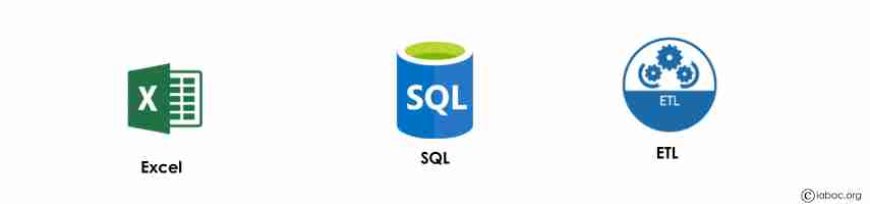
- Working with Data: Know how to clean, organize, and analyze data using tools like Excel, SQL, or other ETL tools.
- Building Dashboards: Learn how to create interactive and user-friendly dashboards.
- Basic Statistics: Understand statistics to interpret data correctly.
- Data Connections: Be able to pull data from different sources and combine it for visual representation.
2. Analytical and Creative Skills
- Making Sense of Data: Spot trends, patterns, and relationships in data.
- Telling Stories with Data: Use visuals to explain insights clearly and engagingly.
- Design Basics: Understand how to use color, layout, and fonts to make visuals appealing and easy to understand.
- Accuracy and Clarity: Pay close attention to detail to ensure every visualization is correct and clear.
3. Soft Skills
- Clear Communication: Explain data findings to people with different levels of technical knowledge.
- Problem Solving: Use data to find practical solutions to business challenges.
- Critical Thinking: Analyze data carefully and identify useful insights.
What jobs can you get with data visualization?
There’s a high demand for professionals skilled in data visualization. Here are some key roles:
1. Data Visualization Specialist: Creates advanced charts and dashboards to explain complex data.
2. Business Intelligence (BI) Analyst: Designs BI solutions with visual tools to help in decision-making.
3. Data Analyst: Uses visuals to share insights from data analysis.
4. Data Scientist: Builds visual models to explain predictions and statistical results.
5. Analytics Consultant: Helps businesses understand their data by presenting clear and actionable visuals.
6. UX/UI Designer for Data Tools: Focuses on making data dashboards and reports easy to use.
7. Marketing Analyst: Creates visuals to show customer trends and campaign performance.
8. Financial Analyst: Develops reports and charts to guide financial planning.
9. Product Manager: Uses visuals to share metrics and key performance indicators (KPIs) with teams.
10. Operations Analyst: Monitors and improves operational performance using charts and graphs.
Challenges in Learning Data Visualization:
- Design Skills: To make clear, helpful, and honest visualizations, you need to understand design principles, which may take some time to learn.
- Advanced Tools and Skills: If you want to make more complicated visualizations or use programming tools like Python (Matplotlib, Seaborn) or R (ggplot2), it can be harder to learn.
- Handling Data: Before visualizing data, you need to be able to clean, organize, and analyze it, which requires some skills.
Examples of Data Visualization
Data Visualization helps us understand information clearly and simply. Here are some common types: Bar charts are great for comparing numbers across different groups. Line graphs show how things change over time or with continuous data.

Pie charts make it easy to see how parts make up a whole. Heat maps use colors to show the intensity or value of data. Scatter plots help show how two things are related. Dashboards combine several visuals to give quick insights. Histograms are used to display the spread of data across specific ranges.
- Bar Charts: Used to compare different categories of data.
- Line Graphs: Show how data changes over time.
- Pie Charts: Represent parts of a whole, showing percentages.
- Heat Maps: Show data values through different colors.
- Scatter Plots: Show how two sets of data are related.
- Dashboards: Combine different visualizations for quick, real-time insights.
- Histograms: Show the distribution of data across different ranges.
What is the Salary of a Data Visualization Specialist in India?
The salary of a Data Visualization Specialist in India depends on factors like experience, location, and the specific tools and skills you bring to the job. Here's a breakdown of what professionals in this field can expect to earn:
Salary Overview
- Estimated Total Pay: ₹6,88,000 per year
- Average Base Salary: ₹6,50,500 per year
These numbers represent the typical salary range based on reports from people working in data visualization.
Salary Based on Experience
- Entry-Level (0–2 Years):
- Salary: ₹3,50,000 – ₹5,00,000 per year
- Freshers who know tools like Tableau, Power BI, or Python libraries for data visualization often start within this range.
- Mid-Level (3–5 Years):
- Salary: ₹6,50,000 – ₹10,00,000 per year
- Professionals with solid experience in data analysis and creating impactful visualizations can earn more.
- Senior Level (6+ Years):
- Salary: ₹12,00,000 – ₹20,00,000+ per year
- Experts with advanced skills in business intelligence tools, data storytelling, and managing complex projects usually earn the highest salaries.
Salary by Location
- Bangalore: ₹7,50,000 – ₹10,00,000 per year (top-paying city due to its tech industry)
- Mumbai: ₹6,00,000 – ₹9,50,000 per year
- Hyderabad, Pune, Chennai: ₹6,00,000 – ₹8,50,000 per year
- Delhi NCR: ₹6,50,000 – ₹9,00,000 per year
- Tier 2/3 Cities: ₹4,00,000 – ₹6,00,000 per year
Become a Data Visualization Expert: Get Certified with IABAC
If you want to become a Data Visualization Expert, earning a certification from a trusted organization like IABAC (International Association of Business Analytics Certification) can boost your career. IABAC certifications show that you have the skills to turn data into clear, useful insights through visual storytelling.
Authorized Training Providers (ATPs) offer detailed training programs that follow IABAC’s certification guidelines. Some popular courses include:
- Data Visualization Specialist Course
- Business Intelligence & Data Visualization with Tableau
- Advanced Data Visualization with Power BI
- Data Analytics and Visualization using Python
After completing these courses, IABAC gives you a certificate to prove your knowledge and skills in Data Visualization tools and techniques. These certifications can help you get jobs like Data Analyst, BI Analyst, or Data Scientist. They also make you better at making decisions based on data and help you stand out in the job market.
Learning Data Visualization: Key Points to Know
Learning data visualization can be easy or challenging depending on your background and the tools you use. Here are some points to help you understand the process:
What Makes Data Visualization Easy to Learn:
- User-Friendly Tools: Tools like Tableau and Power BI have simple, drag-and-drop features that are great for beginners.
- Visual Focus: Since data visualization is about showing information through images, it’s easier for many people to understand compared to other complex skills.
- Lots of Resources: There are many free and paid tutorials, courses, and books available, so you can learn at your own pace.
learning data visualization is not too hard, especially with the right tools and resources. However, becoming good at it takes time, practice, and a strong understanding of design and data handling.