


























































How Intelligence in AI Works
Learn how artificial intelligence works in simple terms. Understand how AI thinks, learns, and makes decisions to solve problems like humans.


I’ve always been fascinated by how intelligence in AI works. Working in the field of artificial intelligence, I’ve seen how AI systems can turn raw data into valuable insights. This process is not magic, but rather the result of powerful algorithms, neural networks, and data-driven learning. With my experience, I can break down these complex systems into simple ideas that help explain the intelligence behind AI decisions. By looking at these concepts together, I hope to share reliable insights that make the science of AI more understandable and show how it can be used in the real world. Let’s take a closer look at how intelligence in AI works.
What Does Intelligence in AI Mean
In humans, intelligence is the ability to learn, think, solve problems, and adapt to new situations. AI intelligence refers to machines and systems that are designed to imitate these human-like abilities. Some of the main aspects of AI intelligence include:
- Learning: Gaining knowledge from data and experience.
- Reasoning: Making decisions based on logic and context.
- Perception: Understanding input like images or sounds.
- Adaptation: Improving over time by learning more.
AI uses algorithms, mathematical models, and lots of data to replicate these processes.
How Does AI Intelligence Work?
AI intelligence is powered by several key components that allow it to make decisions and solve problems like humans.
1. Data is the Key: AI systems depend heavily on data. Whether it's images, text, or numbers, the amount and quality of the data affect how smart an AI model can be. There are different ways AI learns from data:

- Supervised Learning: AI learns from data that already has answers attached to it.
- Unsupervised Learning: AI finds patterns on its own in data without answers provided.
- Reinforcement Learning: AI learns by trying different things and getting feedback in the form of rewards or penalties.
2. Algorithms and Models: AI’s intelligence comes from algorithms, which are step-by-step instructions to solve problems. Some common algorithms are:

- Neural Networks: These work like the human brain and are used for tasks like recognizing images or speech.
- Decision Trees: These are used for tasks that need clear decisions based on rules.
- Support Vector Machines (SVM): Used for tasks like spam filtering.
3. Training and Learning: To be intelligent, AI systems need training. During training, AI models learn from data, adjusting their internal settings to make better predictions.
4. Inference and Decision-Making: Once an AI model is trained, it can start applying its knowledge to new data. This is when AI shows its intelligence by making predictions or offering recommendations.
5. Feedback and Adaptation: AI systems can also improve over time through feedback. For example, a recommendation system can adjust its suggestions based on how users interact with it.
Types of AI Intelligence
AI intelligence can be divided into three types based on how closely it mimics human cognitive abilities. These include:
1.1 Narrow AI (Weak AI)
Narrow AI refers to systems that are good at performing specific tasks but can't do anything outside of their programmed skills. Examples include voice assistants like Siri or Google Assistant, and recommendation systems like those used by Netflix or Amazon. While these systems can make decisions based on data, they cannot generalize or perform tasks beyond their programming.
How Narrow AI Works:
- Task-Specific Learning: Narrow AI is trained to handle one specific task (like detecting faces in photos or translating languages) and cannot do anything else.
- Machine Learning (ML) Algorithms: These AI systems use ML to process data and make decisions based on patterns in the information they analyze.
1.2 General AI (Strong AI)
General AI aims to replicate human-like intelligence across many different tasks. These systems would be able to learn and apply knowledge in a similar way to humans, adapting to new situations and making independent decisions. While General AI does not yet exist, researchers are working to create systems that can reason and learn in various domains.
How General AI Works:
- Contextual Learning: General AI would need to not only analyze patterns but also understand the context in which information is being processed.
- Cross-Domain Learning: These systems would be able to apply knowledge learned in one area to another, much like humans can.
- Reasoning and Problem Solving: General AI would need to think abstractly, solve problems, and reason like humans do.
1.3 Artificial Superintelligence (ASI)
Artificial Superintelligence refers to AI that is much smarter than humans in all areas, including creativity, problem-solving, and emotional intelligence. This level of AI is still a concept and does not exist yet, but it raises important questions about ethics and the potential impact on society.
Core Components of AI Intelligence
To understand how AI "thinks," we need to look at the key technologies that make it possible. These technologies allow AI to learn from data, make decisions, and improve over time.
2.1 Machine Learning (ML)
Machine Learning is a type of AI that allows systems to learn from experience and improve without needing to be reprogrammed each time. ML is the backbone of most AI systems today.
Types of Machine Learning:

- Supervised Learning: The system learns from labeled data, where the right answers are provided, so it can predict outcomes for new data.
- Unsupervised Learning: The system analyzes data without predefined answers and finds patterns or relationships on its own.
- Reinforcement Learning: The system learns by interacting with its environment and receiving feedback in the form of rewards or penalties.
How Machine Learning Works:
- Data Input: AI systems need large amounts of data to learn from, such as text, images, or even sensor data.
- Model Training: ML algorithms adjust models based on data, looking for patterns or trends.
- Prediction and Optimization: After learning from data, the AI can make predictions or decisions and improve over time.
2.2 Neural Networks and Deep Learning
Neural networks are algorithms inspired by the human brain, where data passes through multiple layers of "neurons" to make decisions. Deep learning is a type of neural network with many layers, enabling it to process complex data and recognize higher-level features.
How Neural Networks Work:
- Input Layer: Data enters the network.
- Hidden Layers: The system processes the data, looking for patterns and adjusting the connections between neurons.
- Output Layer: The AI makes a decision or classification based on the processed data.
Deep Learning in Action:
- Image Recognition: Deep learning helps AI systems identify and classify images by analyzing raw data.
- Natural Language Processing (NLP): Deep learning techniques help AI understand and generate human language.
2.3 Natural Language Processing (NLP)
Natural Language Processing allows AI systems to understand and respond to human language, whether it's written or spoken. NLP uses linguistics and computer science to help machines process and make sense of words.
How NLP Works:
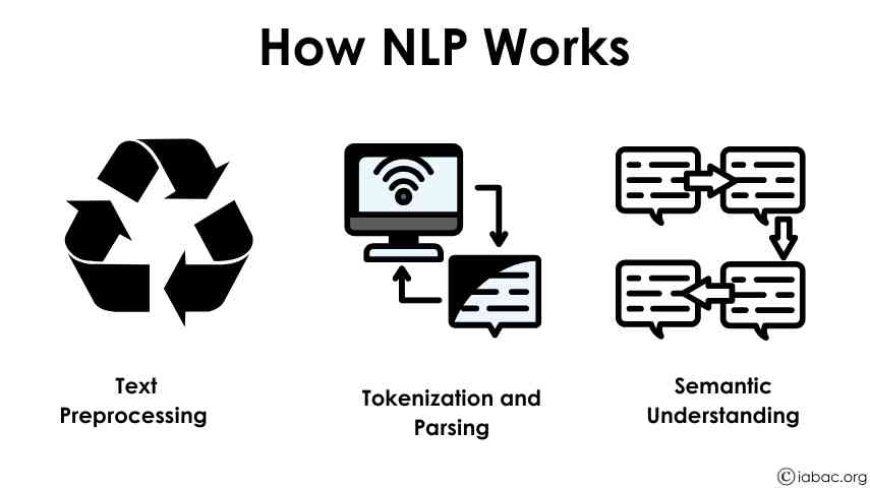
- Text Preprocessing: The system cleans and structures the text data to prepare it for analysis.
- Tokenization and Parsing: The system breaks down sentences into smaller parts and understands their structure.
- Semantic Understanding: NLP models analyze the meaning of words in context, figuring out the intent behind sentences.
NLP is behind technologies like chatbots, speech recognition, and language translation.
Cognitive Architectures and Reasoning
For AI to truly act intelligently, it must be able to reason and make decisions based on the information it has. Cognitive architectures help AI replicate human thinking, including memory and problem-solving.
How Cognitive Architectures Work:
- Memory: AI systems need a way to store and access knowledge efficiently, which is modeled after human memory.
- Reasoning: AI must evaluate different possibilities and make the best decision. Techniques like deductive reasoning and inductive reasoning are used.
- Learning from Experience: Cognitive systems help AI improve decision-making over time by learning from past experiences.
Ethical Considerations in AI Intelligence
As AI advances, concerns about ethics arise, including bias, accountability, and job displacement. Addressing these issues ensures AI benefits society.
Key Ethical Issues:
- Bias in AI Models: AI may inherit biases from training data, leading to unfair outcomes, such as biased hiring or legal decisions.
- Transparency: Understanding AI decision-making is critical, especially in sensitive areas like healthcare and criminal justice.
- Accountability: Clear responsibility is needed for decisions made by AI, particularly in cases of harm or unethical outcomes.
AI operates through advanced algorithms, data, and technologies like machine learning, neural networks, and natural language processing to mimic aspects of human intelligence. While AI has progressed significantly, true general intelligence remains distant. Data Analytics Courses in India offer an excellent starting point for learning AI and its foundational technologies.