





















































Tools for Analytics in Business Solutions
Understand the best tools for analytics to drive smart business decisions, boost efficiency, and enhance data-driven strategies for your business solutions.


After years of working with analytics tools, I can confidently say they are crucial for solving business problems today. These tools help businesses find useful insights, make smarter choices, and grow. From spotting trends to making data easy to understand, they turn complex information into something clear and actionable. The most reliable analytics tools I recommend, based on my experience and research, to help you make better business decisions.
What is Analytics in Business
Business analytics means using data and tools to study and improve how a business performs. It involves analyzing numbers, patterns, and information to make better decisions. With analytics, companies can figure out what’s working, predict future trends, and find ways to save time and money while earning more.
Key Steps in Data Analytics:
- Collecting Data: Gathering information from sources like databases, social media, or websites.
- Cleaning Data: Fixing errors or missing information to make the data accurate.
- Analyzing Data: Using techniques like statistics or predictive analysis to find useful insights.
- Visualizing Data: Presenting the findings in charts or dashboards for easy understanding.
How Businesses Use Analytics in Business
Businesses can apply analytics in several ways to improve results:
- Better Decisions: Analytics helps leaders make decisions based on facts instead of guesswork. For example, reviewing past sales data can help plan future inventory.
- Improving Customer Experience: By analyzing customer behavior, businesses can personalize services, improve support, and increase satisfaction. Online stores often suggest products based on past purchases.
- Optimizing Operations: Analytics can find inefficiencies and streamline workflows. For example, logistics companies use analytics to optimize delivery routes and reduce costs.
- Managing Risks: Predictive analytics can identify potential risks and suggest ways to avoid them. For instance, banks use it to detect fraud or evaluate loan applications.
- Enhancing Marketing: Analytics helps measure the success of marketing campaigns, focus on high-value customers, and optimize ad spending.
Tools for Analytics in Business
Many tools are available to help businesses use analytics effectively. Here are some popular ones:
1. Business Intelligence (BI) Tools:
BI tools help visualize and report data for easy understanding.
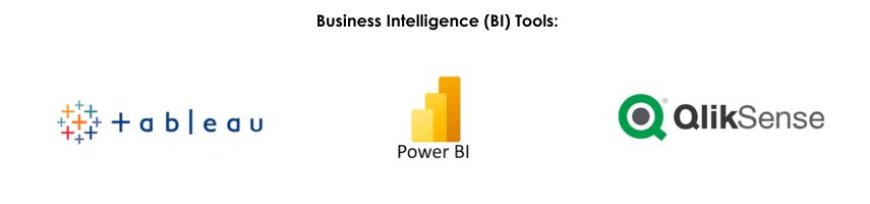
- Tableau: Creates interactive dashboards and charts.
- Power BI: A Microsoft tool with great integration for businesses using Office.
- Qlik Sense: Offers user-friendly data exploration.
2. Data Analytics Platforms:
These tools are used for more in-depth analysis.
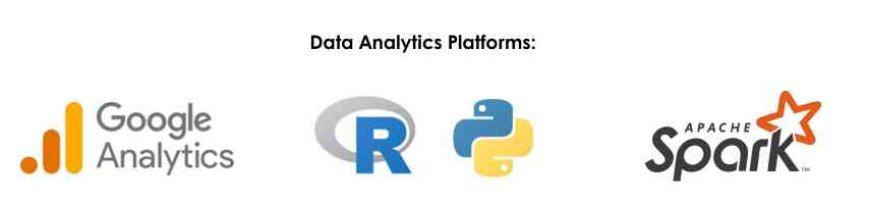
- Google Analytics: Tracks website performance and user behavior.
- Python and R: Programming languages for advanced analysis.
- Apache Spark: Handles large datasets for big data analysis.
3. Database Management Tools:
Efficient data storage is essential for analytics.
- SQL: A language to manage and query databases.
- Snowflake: A cloud-based database for large-scale data.
- MongoDB: A tool for managing unstructured data.
4. Machine Learning Tools:
These tools automate tasks like predicting future outcomes.
- TensorFlow: An open-source platform for machine learning.
- AWS SageMaker: Helps build and deploy machine learning models.
- H2O.ai: Simplifies AI and machine learning.
5. Marketing Analytics Tools:
These focus on tracking and improving campaigns.
- HubSpot: Combines CRM and marketing analytics.
- Google Ads Analytics: Monitors paid ad performance.
- Adobe Analytics: Tracks customer journeys and campaign results.
6. Collaboration Tools:
These tools help integrate analytics into daily work.
- Slack with Data Bots: Sends updates on key analytics insights.
- Asana: Tracks project metrics and integrates with analytics tools.
- Zapier: Automates workflows between different software tools.
How to Start Using Analytics in Business
- Set Goals: Decide what you want to achieve, like improving customer retention or increasing profits.
- Collect Data: Gather relevant information from sources like sales records or website activity.
- Choose Tools: Pick tools that fit your business needs and budget.
- Analyze Data: Start with basic techniques and work towards advanced ones like predictions.
- Take Action: Use the insights to make informed decisions, such as improving a product or targeting a new audience.
- Track Progress: Monitor key performance indicators (KPIs) and adjust strategies as needed.
Why is Analytics Important for Businesses?
Business analytics helps companies make smart decisions, spot patterns, find new opportunities, and handle risks effectively. It allows businesses to use data in the best way possible, leading to success and reducing uncertainty.
- Better Decisions: Helps companies rely on facts instead of guesses when making choices.
- Streamlined Operations: Finds areas where businesses can save time, money, or effort.
- Happier Customers: Personalizes products and services by understanding customer needs and behaviors.
- Staying Competitive: Gives businesses insights that make them stand out.
- Managing Risks: Helps predict and prepare for potential problems.
Main Benefits of Business Analytics:
- Better Decisions: Gives real-time insights to make confident and data-based choices.
- Spot Trends: Helps identify new patterns in markets and industries.
- Find Growth Opportunities: Highlights areas where businesses can expand and improve.
- Manage Risks: Predicts potential problems and helps avoid disruptions.
- Improve Strategies: Boosts efficiency and supports long-term success.
What Are Analytics Solutions?
Analytics solutions are tools and methods that help businesses and organizations use data to make better decisions. By collecting, processing, and analyzing data, these solutions turn raw numbers into useful insights. This helps organizations improve their operations, understand customer behavior, and identify new growth opportunities.
Types of Analytics Solutions
Analytics solutions come in different forms, depending on the kind of insights they provide:
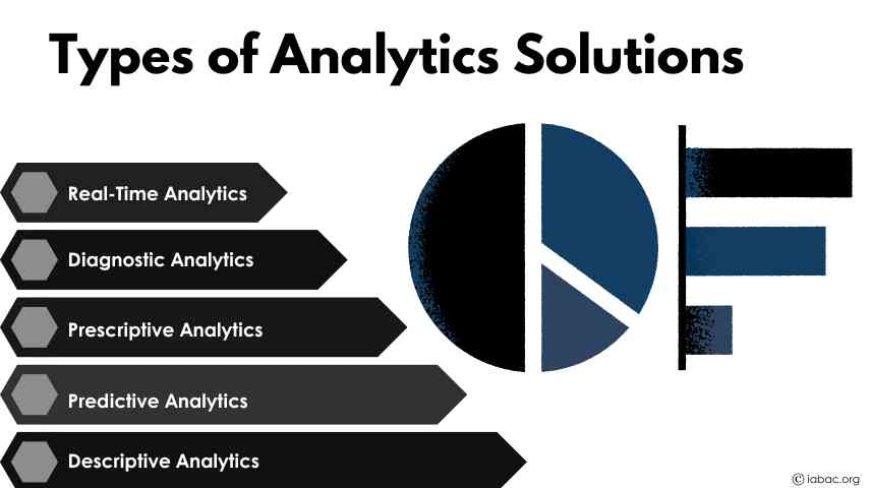
- Descriptive Analytics: This type looks at past events and data to explain what happened. It uses tools like dashboards and reports to show trends and key performance indicators (KPIs).
- Diagnostic Analytics: Diagnostic analytics goes deeper to find out why something happened. Techniques like root cause analysis and correlation studies are used to understand patterns and reasons behind outcomes.
- Predictive Analytics: This type uses models and algorithms to predict what might happen in the future. Businesses use predictive analytics for things like forecasting sales, assessing risks, and understanding customer behavior.
- Prescriptive Analytics: Prescriptive analytics provides recommendations on what actions to take to achieve specific results. It uses tools like optimization algorithms and simulations.
- Real-Time Analytics: This type analyzes data as it is generated, providing immediate insights. It is especially useful in industries like healthcare, finance, and e-commerce, where quick decisions are important.
Key Parts of Analytics Solutions
For analytics solutions to work effectively, they include several important parts:
- Data Collection
Data is gathered from different sources such as websites, sensors, social media, and databases. This data can be structured (like spreadsheets) or unstructured (like images and text). - Data Processing and Storage
Raw data is cleaned and organized so it can be analyzed. It is then stored in systems like data warehouses or data lakes. - Analysis Tools
Tools like machine learning platforms, visualization software, and statistical programs are used to study the data and find patterns. - Reporting and Visualization
Charts, graphs, and reports make the findings easy to understand and share. - Integration and Scalability
Modern analytics solutions can work with existing systems and handle large amounts of data, making them suitable for businesses of all sizes.
Benefits of Analytics Solutions
Using analytics solutions can help organizations in many ways:
- Better Decisions
Analytics solutions provide clear, data-backed insights, reducing the need for guesswork. - Efficiency
By spotting inefficiencies and problems, these solutions help organizations save time and resources. - Improved Customer Experience
Analytics helps businesses understand what their customers want, allowing them to offer personalized services and products. - Risk Management
Analytics can identify potential risks and suggest ways to avoid them, which is important for industries like finance and healthcare. - Growth and Innovation
Insights from analytics often lead to new ideas, helping businesses grow and improve.
Popular Analytics Solutions
Many tools are available to meet different needs, including:
- Tableau: A tool for creating easy-to-understand data visualizations.
- Google Analytics: Used to track website and app performance.
- Microsoft Power BI: A comprehensive tool for creating interactive reports.
- SAS Analytics: Offers advanced data analysis and modeling features.
- Apache Hadoop: Designed for managing and analyzing large sets of data.
Challenges with Analytics Solutions
While analytics solutions are useful, they come with some challenges:
- Data Quality: If the data is incomplete or incorrect, the results won’t be reliable.
- Integration Issues: Adding new analytics tools to old systems can be difficult.
- Cost and Expertise: Setting up analytics solutions can require a lot of money and skilled professionals.
- Privacy and Security: Ensuring that data follows rules like GDPR is a critical concern.
Analytics in Business is essential today. It helps businesses understand their data, make better decisions, and improve performance. Start by choosing the right tools, setting clear goals, and acting on insights. With analytics, businesses can grow smarter and faster.