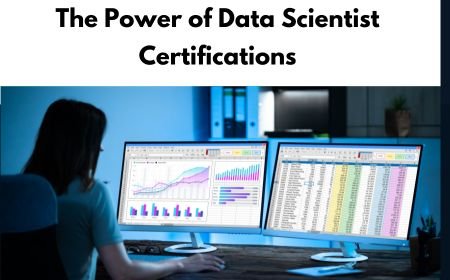



















































The Future of Analytics with a Data Science Certification
how AI chatbots enhance customer engagement through personalized interactions, instant support, and 24/7 availability, boosting satisfaction and loyalty.


\As someone who works with data and analytics, I’ve seen how data science has changed industries all over the world. Using data to make better decisions isn’t just for tech companies anymore – it’s essential for businesses in every field. With data growing more each day, one thing is clear: people who know data science are in high demand. That’s why getting a Data Science Certification is more important than ever if you want to keep your career moving forward.
Does Data Analytics and Data Science Certification Have a Future
Data is a powerful tool that businesses use to make better decisions, spark new ideas, and stay ahead of the competition. As companies gather more data, there’s an increasing need for people who can work with data, like data scientists and analysts. Certifications in these areas, such as Data Science Certification or becoming a Certified Data Scientist, are becoming more important for professionals who want to succeed in the job market.
But is pursuing a data science or data analytics certification worth it? In this blog, we’ll break down why these certifications matter, how they’re useful across different industries, and how they can shape your career in the future.
The Growing Need for Data Professionals
As businesses collect more data than ever, the demand for data experts is on the rise. The global data analytics market is expected to grow to over $100 billion by 2027, which shows how important data has become for companies.
To meet this demand, companies are hiring people for specific roles like Data Scientist for Finance, Data Scientist for HR, or Data Scientist for Marketing. These roles help businesses turn their data into useful insights, making certified professionals highly valuable.
Why Data Science Certifications Matter
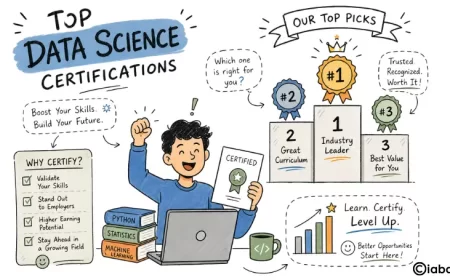
Getting certified in data science or analytics, such as with a Data Science Foundation Certification or Data Science Developer Certification, can boost your skills and open up new career opportunities. These certifications show employers that you have the knowledge and expertise to handle complex data tasks.
Certifications not only prove your skills but also give you a clear learning path. For example, becoming a Certified Data Engineer or Certified MLOps Engineer shows that you can manage and deploy machine learning models—key skills in today’s data projects. Other certifications, like the Machine Learning Expert Certification, focus on more advanced areas, giving you specialized knowledge in the field.
Industry-Specific Data Science Certifications
Different industries have different needs when it comes to data. To meet these needs, there are certifications tailored to specific fields:
- Data Scientist for Finance: This certification is perfect for professionals in the finance sector who need to analyze large financial datasets, forecast trends, and help with financial planning and risk management.
- Data Scientist for HR: In HR, data is used to improve recruitment, employee retention, and planning. This certification helps HR professionals use data to make better decisions.
- Data Scientist for Marketing: In marketing, data helps businesses target customers more effectively, forecast sales, and measure the success of campaigns. ACertified Data Scientist in marketing can help companies make better decisions based on data.
These certifications help professionals become experts in their specific industries, making them valuable assets to their companies.
Certification vs. Traditional Education: Which is More Valuable
While a degree in data science or analytics gives a solid foundation, certifications offer a more focused and hands-on approach to learning. A Data Science Certification or becoming a Certified Data Scientist can quickly show employers that you have specialized skills and are up-to-date with the latest trends in the field. Certifications are also flexible and can adapt to new tools and technologies as they emerge. In a field like data science, where things change quickly, certifications can help professionals stay current.
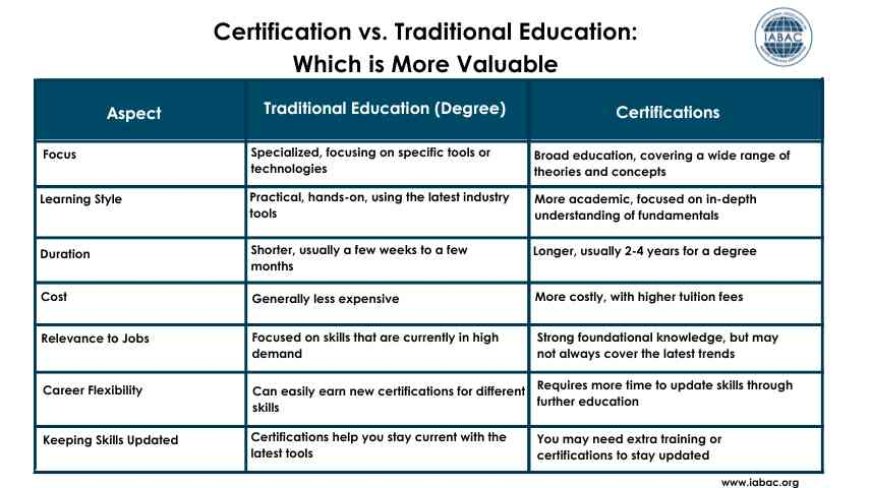
Certifications like Data Science Certified Manager are also valuable for those in leadership positions, helping them manage data teams and oversee data-driven projects more effectively.
How Data Science Certifications Can Boost Your Career
In a field where expertise is crucial, earning certifications like Certified Data Scientist or Machine Learning Expert Certification can greatly enhance your career. Whether you’re aiming to become a Data Scientist for Operations or a Certified MLOps Engineer, certifications offer a clear path to better job opportunities.
Studies show that certified professionals tend to earn higher salaries than those without certifications. This is especially true in industries like finance, healthcare, and marketing, where data plays a critical role in decision-making.
As data science continues to grow in importance across industries, the demand for certified professionals will rise. For example, a Data Scientist for Finance will likely see more opportunities as financial companies use more data for predicting trends and managing risk. Similarly, roles like Certified Data Engineer and Certified MLOps Engineer are becoming essential for companies using machine learning at scale.
The Future of Analytics with a Data Science Certification
Data is essential for businesses to make decisions, predict trends, and improve operations. Analytics is growing quickly, thanks to advancements in AI, machine learning, big data, and cloud computing. As a result, companies are looking for skilled professionals who can work with these technologies. Getting a Data Science Certification is a great way to learn these skills and stay competitive.
Key Trends Shaping Analytics
- AI & Machine Learning: These technologies are changing how we analyze data by making predictions and insights faster and more accurate.
- Big Data: Managing large amounts of data is crucial for businesses, and certifications teach you how to use tools like Hadoop and Spark.
- Cloud Analytics: As businesses move to cloud-based systems, certifications cover platforms like AWS and Google Cloud for flexible data solutions.
- Data Privacy: With more focus on data privacy, it's important to understand how to use data responsibly, and certifications include training on privacy laws and regulations.
Why Get a Data Science Certification
- Learn New Skills: You’ll get hands-on experience with programming languages like Python and R, as well as tools for visualizing and analyzing data.
- Career Growth: A certification makes your resume stronger and helps you stand out to employers in a fast-growing field.
- Stay Current: Certifications help you stay up-to-date with the latest trends and technologies in data science.
- Build Connections: Certification programs often give you a chance to meet other professionals and experts, which can help you grow in your career.
The Future of Analytics
Automation, smarter analytics, and personalized insights will play a big role in the future of analytics. A Data Science Certification gives you the knowledge and skills needed to keep up with these changes, preparing you for the next big innovations in data science.
Investing in a Data Science Certification not only helps you advance in your career but also prepares you for the fast-changing world of data analytics.
The future of data analytics and data science certifications looks bright. As businesses continue to rely on data, certifications like the Data Science Developer Certification or Certified Data Scientist will help professionals stand out and secure high-demand jobs. As the field grows, certified experts will lead the way in making sure businesses use data to innovate and grow. Whether you’re just starting out or looking to advance in your career, earning a certification in data science or machine learning is a smart move. It will not only improve your skills but also give you an edge in the competitive, data-driven job market.