


























































What are the steps in analytics in business
Understand the key steps in business analytics, from data collection to actionable insights, and how they drive smarter decision-making in organizations.


Today, many companies use analytics in business to make smarter and faster decisions. Whether you run a small company or manage a large one, understanding how to work with data can help improve performance, save money, and find new growth ideas.
If you're thinking of starting a career in this area or want to use analytics in your company, this guide will walk you through the steps. We also explain what is the cost of Business Analyst, and how to get certified through IABAC.
What Is Analytics in Business?
Analytics in business means using data and simple tools to understand what’s happening in a company. It helps answer questions, find patterns, and support better choices.
Businesses in all areas—like sales, healthcare, banking, and more—use analytics to improve how they work, solve problems, and plan for the future.
What Is the Cost of a Business Analyst?
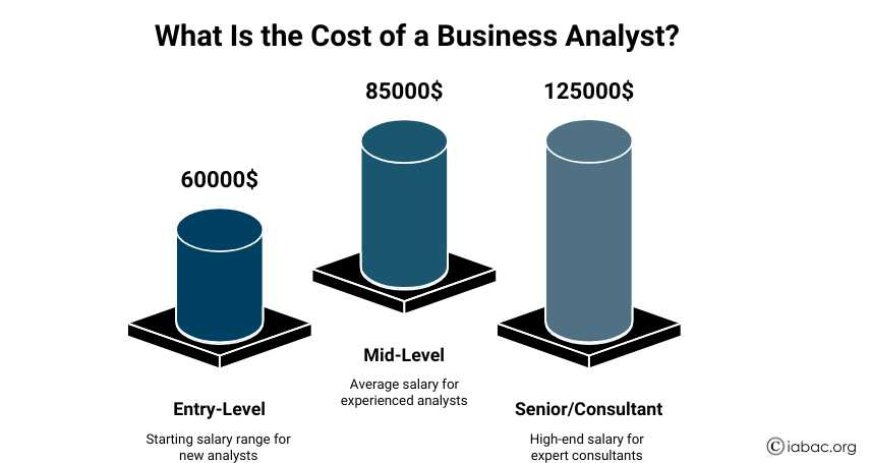
The cost of a business analyst depends on their experience, where they work, and the type of work they do.
Average Pay or Hiring Cost:
-
New Analyst (Entry-Level): $50,000 to $70,000 per year
-
Mid-Level Analyst: $70,000 to $100,000 per year
-
Experienced Analyst or Consultant: $100,000+ per year or $50 to $150 per hour
For small businesses, hiring part-time or freelance analysts can be more affordable. But full-time experts often give better long-term support.
What Is Business Analyst Certification?
Many people choose to get certified to start a career or grow in this field. IABAC (International Association of Business Analytics Certification) is a well-known and trusted option.
IABAC offers helpful programs in:
-
Business Analytics
-
Data Science
-
Artificial Intelligence
These certifications give you the right skills and help you stand out when applying for jobs.
More Companies Are Using Data to Make Better Choices
Today, many businesses want to make smart decisions based on data. Whether it’s about improving customer service, reducing costs, or planning ahead, analytics in business has become a key part of how companies work.
Instead of guessing, companies now use facts and numbers to decide what to do next. This change has created more job opportunities for people who know how to work with data. One of the most important roles in this area is the Business Analyst. With the help of a good business analyst certification, many professionals are learning how to use data to help businesses grow.
Many Teams Don’t Follow a Clear Process
Even though many companies have access to lots of data, they still struggle to use it well. Sometimes the data is messy, scattered, or not clear. Without a proper process, people may reach the wrong conclusions or miss helpful insights.
One common mistake is jumping straight into the data without thinking about the goal. This leads to confusion and wasted effort. That’s why it’s important to follow the right steps in analytics in business. These steps help businesses use data in a smart and useful way.
What Are the Steps in Analytics in Business?
To use data effectively, companies need to follow a simple and clear method. But what are these steps? How do Business Analysts apply them to solve problems and support growth?
Main Steps in Analytics for Business
If you want to bring analytics into your business or become an analyst, here are the main steps you should know:
1. Know the Problem You Want to Solve
Start by asking a clear question. For example, "Why are our online sales going down?" This gives a clear direction to the work.
2. Collect the Right Data
Find useful information from different sources like sales records, customer surveys, website visits, or feedback forms.
Data can be in the form of numbers (like Excel files) or words (like comments or reviews).
3. Clean and Organize the Data
Often, raw data has errors or missing parts. Fixing these problems helps get better results.
This includes:
-
Removing duplicate entries
-
Filling in missing values
-
Making sure everything follows the same format
4. Look at the Data
Use simple tools like Excel, Power BI, Python, or SQL to find patterns or trends in the data.
This step helps turn data into useful insights.
5. Build Models (For Advanced Work)
Some projects use tools like machine learning to guess what might happen in the future. This step is more technical and used when needed.
6. Understand the Results
Once the analysis is done, the next step is to explain what it means. For example:
-
Which product is selling the most?
-
Which ad brought the most visitors?
These answers should match the problem from Step 1.
7. Make Choices Based on Data
Now the company can act based on what the data shows. Examples:
-
Change prices
-
Try a new ad method
-
Stop a product that isn’t working
8. Keep Watching and Improving
Analytics should be a regular process. Keep checking to see if your choices are working. If not, make small changes and test again.
How Business Analyst Certification Helps in Analytics
If you want to work in this area, getting a business analyst certification is a great way to start or grow your career. These programs help you:
-
Learn each step in analytics in business
-
Get real practice with tools and case studies
-
Show employers that you are trained for the job
IABAC is one well-known name that offers business analyst certification. Whether you're just starting out or already working, this kind of training can support your journey.
Data is part of every business. But to make good use of it, companies must follow the right steps. That’s where analytics in business becomes truly useful—by helping teams turn numbers into smart choices. A Business Analyst is at the center of this process. With clear thinking and the right skills, they help businesses solve problems and grow. If you're interested in this path, a business analyst certification can help you learn what’s needed and show that you’re ready to work in the field.