








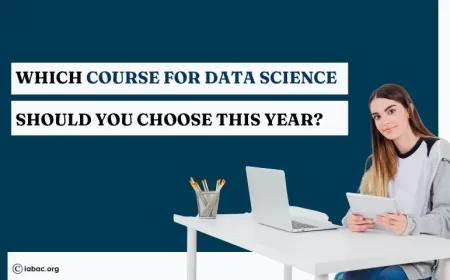

















































Which Data Science Course Is the Best Fit for You
Discover which Data Science course is the best fit for you. Explore top programs, compare options, and find the right path to boost your data science career.


When I started my journey in data science, picking the right course was confusing. There were so many options and different viewpoints to consider. I saw everything from online classes to well-known universities, and it felt like there were endless choices. After doing a lot of research and trying a few things, I realized that knowing the main parts of data science courses helped me choose wisely. I want to share what I discovered and how you can figure out which data science course is the best fit for you.
Picking the perfect data science course can feel difficult because there are so many choices out there. Data science is a field that changes quickly, so it’s really important to find a course that matches your career goals and your current skills. Whether you’re just starting or you already have some experience, knowing which data science course is the right fit can affect how well you learn and where your career goes. Understanding which data science course is the best fit for you involves evaluating various options based on your personal needs and professional objectives. In this blog, I’ll help you understand what to look for and share some of the best courses to help you make a smart choice.
What is Data Science?
Data science is an interdisciplinary field that combines statistics, computer science, and domain expertise to analyze and interpret complex data. It involves using algorithms, data mining, and machine learning techniques to extract valuable insights and inform decision-making.
Benefits of Data Science
- Informed decision-making: Data science enables organizations to make data-driven decisions, leading to more accurate and strategic outcomes.
- Enhanced Efficiency: By automating data analysis processes, businesses can improve operational efficiency and reduce costs.
- Predictive Insights: Data science helps forecast future trends and behaviors, allowing companies to anticipate market changes and customer needs.
- Personalization: It enables businesses to tailor products and services to individual preferences, improving customer satisfaction and engagement.
Essential Considerations When Selecting a Course.
The critical factors that should be evaluated to ensure you choose a course that effectively meets your learning needs and goals. This includes examining the course content, the expertise of instructors, opportunities for practical experience, and the flexibility of the course format. These considerations help ensure that the course provides valuable knowledge and relevant skills and fits well with your personal and professional
Here are some of the best essentials for selecting a course.
1. Curriculum and Content
When evaluating which course is best for data science, scrutinize the curriculum. Look for courses that cover essential topics such as statistics, machine learning, and data visualization. A comprehensive curriculum ensures you gain a well-rounded understanding of data science.
2. Instructors and expertise
The quality of instructors can greatly affect your learning experience. Seek courses taught by experienced professionals with a strong background in data science. Their real-world insights and practical experience can provide valuable context and enhance your understanding.
3. Practical Experience
Hands-on experience is crucial in data science. Opt for courses that include practical projects and assignments. These opportunities allow you to apply theoretical knowledge to real-world problems, which is essential for mastering data science concepts.
4. Flexibility and Format
Consider the format and flexibility of the course. Online courses offer convenience and can be tailored to your schedule, while in-person classes might provide more structured learning. Choose the format that best fits your lifestyle and learning preferences.
5. Reviews and Reputation
Research reviews and testimonials from previous students. A course with positive feedback and a strong reputation is likely to offer a high-quality learning experience. Look for reviews that mention specific aspects such as course content, instructor quality, and overall value.
Determining the most suitable course for data science
When deciding which data science course is the best, consider your learning style, career goals, and the specific skills you want to develop. Each course has its strengths and caters to different needs, so choose one that aligns with your objectives.
- Set clear goals.
Before enrolling in a course, define your career goals. Are you looking to start a new career, advance in your current role, or simply gain new skills? Understanding your objectives will help you select a course that meets your needs.
- Evaluate course content
Review the course content to ensure it covers the topics you’re interested in. Check if the curriculum includes relevant tools and technologies used in data science, such as Python, R, and SQL.
- Consider Your Budget
Courses vary in cost, so consider your budget when making a decision. Some courses offer financial aid or scholarships, which can make them more accessible. Weigh the cost against the value and quality of the course.
- Check for accreditation
Accreditation can be a sign of a course’s credibility and quality. Look for courses that are recognized by industry experts or institutions. Accreditation often indicates that the course meets certain standards and provides a recognized certification.
Career Opportunities with a Data Science Course

- Data Analyst: analyzes data to identify trends and insights, helping organizations make informed decisions and improve business processes.
- Data Scientist: Develop advanced analytical models and algorithms to solve complex problems, often involving machine learning and predictive analytics.
- Business Intelligence (BI) Developer: Design and implement BI solutions to transform data into actionable business insights through dashboards and reports.
- Machine Learning Engineer: Build and deploy machine learning models that enable systems to learn and make predictions or decisions based on data.
- Data Engineer: Focus on designing and maintaining the data infrastructure and pipelines necessary for efficient data processing and analysis.
Choosing the right data science course involves careful consideration of various factors, including curriculum, instructors, practical experience, and personal goals. Understanding which data science course is the best fit for you requires evaluating these aspects and exploring top courses like Coursera’s Data Science Specialization, edX’s MicroMasters Program, Udacity’s Nanodegree, DataCamp’s Python Track, and Springboard’s Career Track. Remember, the best course for you depends on your specific needs and career aspirations. Take the time to research and choose a course that aligns with your goals and sets you up for success in the dynamic field of data science.