




















































Who Can Learn Artificial Intelligence
Curious about learning AI? Understand who can study artificial intelligence, the skills you need, and how anyone with interest can get started.


Anyone with curiosity and determination can learn artificial intelligence (AI)! You don't need to be a math or coding expert to start; AI is accessible to beginners, even if you're completely new to technology. Many resources offer beginner-friendly courses, guiding you through the basics like how machines learn from data, how to write simple code, and how AI can be used in everyday applications. Whether you're a student, a professional in another field, or simply interested in tech, with some time and practice, you can build a solid understanding of AI. Starting small and progressing step-by-step can help you grasp AI concepts and even create your own simple AI projects.
What is artificial intelligence?
Artificial intelligence (AI) is the technology that enables machines to perform tasks we usually associate with human intelligence—like understanding language, recognizing faces, making decisions, and learning from experience. By analyzing large amounts of data, AI systems can detect patterns and make predictions, becoming "smarter" over time. Think of it as teaching machines to solve problems on their own. From the recommendations you see on streaming services to advanced medical diagnostics, AI is reshaping how we interact with technology and helping solve complex challenges in nearly every field.
Who Can Learn AI?
The good news is that AI is not just for tech experts. Here are some groups that can benefit from learning AI:
- Students and lifelong learners: Whether you are in high school, college, or studying on your own, artificial intelligence is an exciting field to investigate. Many universities now offer introductory AI courses, and there are tons of online resources designed for beginners.
- Professionals in Any Field: AI skills are in demand not only in tech but across many fields. For example, a healthcare professional could use AI to analyze patient data, while a finance expert could learn AI to detect fraud patterns.
- Young Enthusiasts and Beginners: With beginner-friendly tutorials and resources, even middle and high school students can start learning the basics of AI. Some schools even have AI clubs, and there are online programs that cater to young learners.
Why Should You Learn AI?
You might be wondering, “Why should I even learn AI?” Well, here are a few reasons:
- Job Opportunities: Knowing AI opens doors to exciting roles across many industries. With even a basic understanding of AI, you could explore jobs in data science, machine learning, automation, and more.
- Problem Solving Skills: Learning AI can help you improve your analytical and problem-solving skills. You'll learn to work with data, spot patterns, and think in new ways.
- Prepare for the Future: AI is likely to be part of our future in nearly every field. By learning AI now, you’ll be ready for whatever comes next, whether you’re working in healthcare, finance, education, or any other field.
What Do You Need to Start Learning AI?
AI might sound complicated, but you don’t need a ton of advanced knowledge to get started.
- Basic Math Skills: Understanding some basic math concepts like algebra, probability, and statistics is helpful for AI. Don’t worry, though; you don’t need to be a math expert. You can pick up what you need along the way.
- Programming Basics: AI often involves programming, especially in languages like Python. If you’re new to programming, there are plenty of beginner courses that teach Python basics.
- Curiosity and Patience: AI is a big topic, and it takes time to learn. As long as you’re curious and patient, you can make progress step-by-step.
Key Topics to Get Started With AI
Here are a few core topics you might encounter as you begin learning AI:
- Machine Learning (ML): Machine learning is a type of AI where computers learn from data without being explicitly programmed. For instance, ML can help a program recognize whether an image contains a cat or a dog.
- Neural Networks: These are inspired by the human brain and consist of layers that process information. Neural networks are used in tasks like image and speech recognition.
- Data Science Basics: Since AI relies on data, understanding how to handle and process data is crucial. Data science includes cleaning and preparing data so that AI models can learn from it.
- Algorithms: Algorithms are step-by-step instructions that help machines learn and make decisions. Knowing some basic algorithms can help understand AI processes.
Resources for Learning AI (No Experience Required)
There are plenty of resources out there for beginners, including:
- Online Courses: Many of these courses start with the basics, making them perfect for beginners.
- Interactive Tutorials and Tools: Google Colab is a great free tool where you can practice coding without installing software. Microsoft’s AI for Beginners is also a fantastic resource with hands-on activities.
- Books and YouTube Channels: Some books, like Artificial Intelligence for Humans by Jeff Heaton, are written specifically for beginners. YouTube channels like Tech With Tim and Simplilearn also explain AI concepts in simple terms.
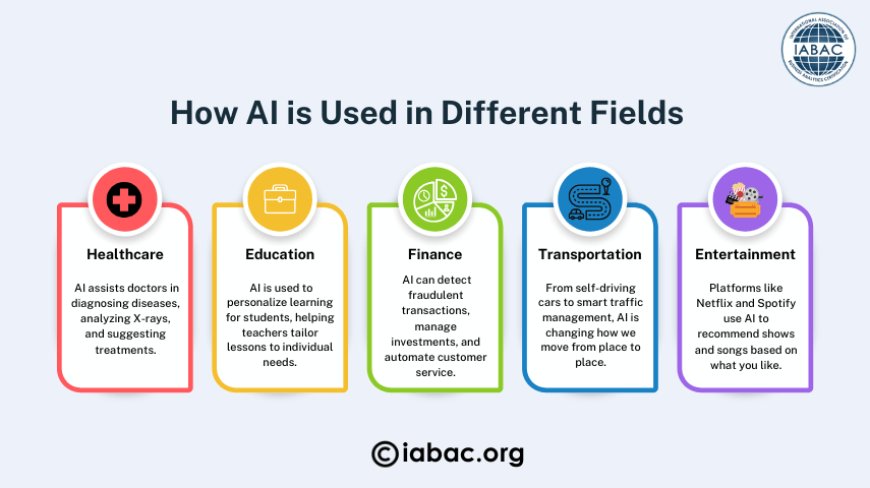
How AI is Used in Different Fields
AI isn’t just for tech companies; it’s helping people across many fields. Here are a few examples:
- Healthcare: AI assists doctors in diagnosing diseases, analyzing X-rays, and suggesting treatments.
- Education: AI is used to personalize learning for students, helping teachers tailor lessons to individual needs.
- Finance: AI can detect fraudulent transactions, manage investments, and automate customer service.
- Transportation: From self-driving cars to smart traffic management, AI is changing how we move from place to place.
- Entertainment: Platforms like Netflix and Spotify use AI to recommend shows and songs based on what you like.
Your First AI Project
Starting a small project can make learning AI more fun.
- Build a Chatbot: Chatbots can answer questions and carry on basic conversations. Many online tutorials can walk you through the steps.
- Image Classifier: Try making a simple image classifier that can tell the difference between cats and dogs.
- Recommendation System: Create a system that recommends books or movies based on user preferences. It’s a great way to understand how Netflix and Spotify work!
Common Myths About AI Learning
There are a lot of misconceptions about learning AI.
- “AI is Only for Geniuses”: Not! AI is accessible to anyone willing to put in the effort. People from various backgrounds have successfully learned AI.
- “AI Requires Expensive Software”: Many of the best AI tools, like Google Colab, are completely free.
- “Only Computer Scientists Can Learn AI”: AI has applications in many fields, so you don’t have to be a computer scientist to benefit from learning it.
Getting Support: AI Communities
Learning AI is easier when you have support. Here’s where you can find help:
- Online Communities: Sites like Stack Overflow and Reddit have active AI communities where you can ask questions and share ideas.
- Local Meetups: Many cities have AI meetups or virtual events where you can connect with other learners and experts.
Future Opportunities in AI
AI is here to stay, and its importance will only grow. Learning AI could open doors to careers that don’t even exist yet. Whether you dream of working on self-driving cars, developing new medical technology, or simply understanding the tools that shape our world, learning AI is a step toward an exciting future.
Learning artificial intelligence is not only accessible but also opens doors to countless opportunities in a future driven by technology. AI skills can enhance careers across fields, from healthcare to finance, and bring a deeper understanding of how intelligent systems shape our world. As you begin your AI journey, starting with simple concepts and projects will help you build a strong foundation. To validate your skills and boost your credibility, pursuing certifications can be a great next step. The International Association of Business Analytics Certification (IABAC) offers recognized AI certifications that validate your knowledge and can help you stand out in the job market