


























































How Companies Use Business Intelligence Software
Business intelligence software enables companies to analyze operational data, measure performance, and gain insights that support better business decisions.

Data has a quiet way of revealing what’s really happening inside a business. I’ve seen teams look at the same spreadsheets for hours and still struggle to answer simple questions like why sales dropped last month or which campaign actually brought in the most customers. The information is there, but it isn’t always easy to connect the dots. This is exactly where business intelligence software steps in. Companies use it to bring scattered data together, highlight the patterns that matter, and turn everyday numbers into insights that guide real decisions. When used well, it helps organizations see their business more clearly and act with confidence.
Why Companies Rely on Business Intelligence Software
Organizations operate in highly competitive environments where decisions must be based on reliable information. Business intelligence software provides a centralized way to analyze data across departments, helping companies see patterns, trends, and performance indicators in real time.
One of the main reasons companies adopt business intelligence tools is the ability to unify data from multiple sources.
Another key advantage is speed. Manual data analysis can take hours or even days, especially when teams depend on spreadsheets and disconnected reports. Business intelligence platforms automate this process and deliver insights instantly.
Organizations benefit from this software in several important ways:
-
Real-time visibility into business performance
-
Faster and more accurate decision-making
-
Improved collaboration across departments
-
Identification of growth opportunities
-
Better risk management through data monitoring
These capabilities help organizations shift from reactive decisions to proactive strategies based on evidence.
Improving Strategic Decision-Making with Data Insights
Companies frequently use business intelligence software to strengthen strategic decision-making.
Strategic decisions often involve long-term planning such as market expansion, product development, or investment strategies. This software allows decision-makers to examine historical data, identify performance trends, and evaluate how different factors influence results.
For example, a retail company planning to open new stores may use business intelligence software to analyze sales performance by region. By examining customer behavior, seasonal demand, and regional profitability, leadership teams can identify the most promising locations for expansion.
Similarly, manufacturing companies use business intelligence dashboards to monitor production efficiency. By studying data on production output, equipment utilization, and supply chain activity, they can identify bottlenecks and improve operational planning.
Strategic planning supported by business intelligence software typically involves:
-
Reviewing historical performance metrics
-
Identifying patterns in customer demand
-
Monitoring operational efficiency
-
Evaluating financial performance across departments
-
Predicting future trends using data patterns
These insights help organizations make confident decisions supported by measurable evidence.
Enhancing Sales and Revenue Performance
Sales teams depend heavily on accurate data to improve revenue performance. Business intelligence software allows companies to analyze sales pipelines, customer purchasing behavior, and revenue trends.
In many organizations, sales data exists across multiple systems such as customer relationship management platforms, e-commerce platforms, and financial reporting tools. This software consolidates this data and presents it through visual dashboards.
Sales managers can track key metrics including:
-
Conversion rates across marketing campaigns
-
Sales performance by region or product category
-
Customer lifetime value
-
Revenue growth trends
-
Sales pipeline health
These insights help organizations understand which strategies are generating the most revenue and which areas need improvement.
For example, a company may discover through business intelligence analysis that a specific product category performs significantly better in certain regions. With this insight, the sales team can focus marketing campaigns and sales resources on the most profitable markets.
Business intelligence dashboards also help leaders monitor real-time revenue performance. Instead of waiting for monthly reports, managers can view sales activity throughout the day and adjust strategies when needed.
Strengthening Marketing Performance and Campaign Analysis
Marketing teams generate large volumes of data from advertising platforms, social media campaigns, email marketing tools, and website analytics. Business intelligence software helps companies analyze this data to measure campaign performance and improve marketing strategies.
Without centralized analysis, marketing data can become fragmented across multiple platforms. Business intelligence tools bring this information together, allowing marketers to evaluate campaign results in one place.
Companies commonly use BI software to measure marketing performance through metrics such as:
-
Website traffic patterns and user engagement
-
Conversion rates across different marketing channels
-
Cost per acquisition for advertising campaigns
-
Customer journey analysis
-
Return on marketing investment
For instance, a digital marketing team may use business intelligence dashboards to compare the effectiveness of social media campaigns versus search advertising campaigns. By analyzing customer engagement, lead generation, and conversion rates, the team can allocate budgets to the most effective channels.
This software also supports marketing teams in understanding customer behavior. Data visualization tools reveal patterns in how customers interact with websites, respond to promotions, and make purchasing decisions.
These insights help companies design more effective marketing campaigns and improve customer engagement.
Supporting Financial Analysis and Business Planning
Finance departments rely on accurate data analysis to maintain financial stability and guide organizational planning. Business intelligence software allows finance teams to monitor financial performance and generate detailed reports quickly.
Financial data often comes from multiple systems, including accounting platforms, budgeting tools, and revenue management systems. This software integrates these systems and provides clear financial dashboards.
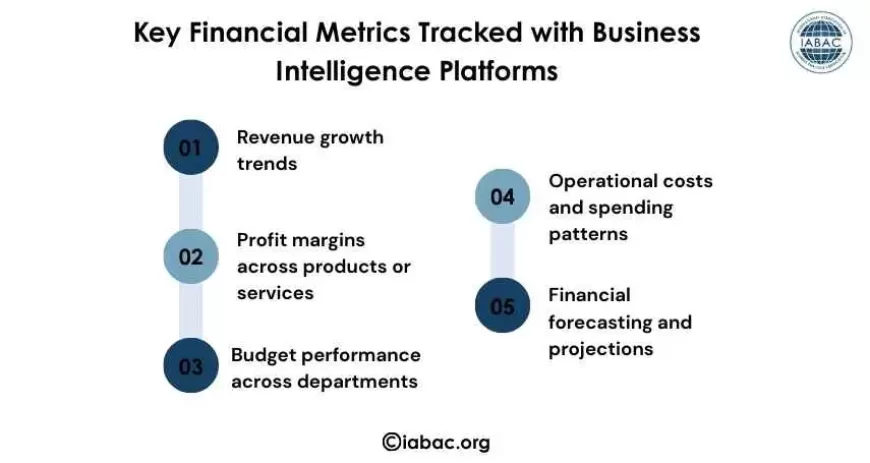
Companies use business intelligence platforms to monitor financial metrics such as:
-
Revenue growth trends
-
Profit margins across products or services
-
Budget performance across departments
-
Operational costs and spending patterns
-
Financial forecasting and projections
By analyzing these metrics, finance teams can identify areas where costs can be reduced or resources can be allocated more effectively.
For example, a company might use business intelligence software to analyze operational expenses across departments. If one department consistently exceeds its budget, finance leaders can investigate the reasons and implement corrective strategies.
Financial dashboards also provide leadership teams with clear insights into the organization’s overall financial health, helping them make informed decisions about investments and business expansion.
Improving Operational Efficiency Across Departments
Operational efficiency plays a major role in business performance. Companies use BI software to monitor operational workflows and identify areas where productivity can be improved.
Operations teams often deal with complex processes involving logistics, production, inventory management, and service delivery. Business intelligence tools help track performance indicators that reveal inefficiencies.
Common operational metrics analyzed through business intelligence platforms include:
-
Production output and manufacturing efficiency
-
Supply chain performance
-
Inventory levels and product availability
-
Delivery timelines and logistics performance
-
Resource utilization across teams
For example, a logistics company might use BI software to monitor delivery times across different routes. If certain routes consistently experience delays, managers can analyze the underlying causes and redesign delivery strategies.
Similarly, manufacturing companies use operational dashboards to track equipment performance and maintenance schedules. By identifying patterns in equipment downtime, organizations can prevent production disruptions and improve efficiency.
This software allows organizations to continuously monitor operational performance and make adjustments that improve productivity.
Understanding Customer Behavior and Experience
Customer insights are one of the most valuable outcomes of BI software. Companies gather customer data from websites, mobile apps, customer support interactions, and sales transactions. Business intelligence platforms analyze this data to reveal patterns in customer behavior.
Understanding how customers interact with products and services helps organizations improve the overall customer experience. Companies can identify what customers value most, what challenges they encounter, and how purchasing decisions are made.
These insights also support strategies that improve customer experience, helping companies understand customer needs more effectively.
Business intelligence tools help companies analyze customer data through metrics such as:
-
Customer purchasing patterns
-
Product preferences and demand trends
-
Customer retention rates
-
Customer feedback and satisfaction scores
-
Customer service response performance
For example, an e-commerce company may use BI software to analyze which products are frequently purchased together. This insight can guide product recommendations and cross-selling strategies.
Customer service teams also benefit from business intelligence dashboards that track response times and support ticket trends. If customer complaints increase for a specific product, the company can address the issue quickly.
By understanding customer behavior, organizations can improve both products and services while strengthening customer relationships.
Monitoring Performance with Real-Time Dashboards
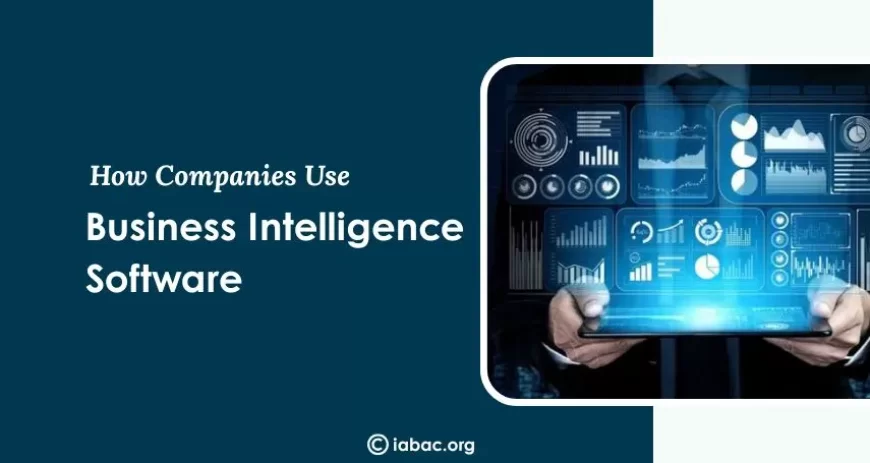
One of the most visible features of business intelligence software is the dashboard. Dashboards present complex data through visual elements such as charts, graphs, and performance indicators.
These dashboards allow companies to monitor business performance in real time. Instead of analyzing large spreadsheets, decision-makers can quickly understand key metrics through visual displays.
Real-time dashboards typically include:
-
Sales performance indicators
-
Marketing campaign results
-
Financial performance metrics
-
Operational efficiency indicators
-
Customer engagement metrics
Executives often rely on dashboards during leadership meetings to review current business performance. Because dashboards update automatically, they reflect the latest data available.
For example, a marketing director may monitor campaign performance throughout the day and adjust advertising strategies if engagement drops. Similarly, sales managers can track daily revenue targets and take action when performance falls below expectations.
Real-time dashboards create a culture of data visibility where employees across the organization understand performance metrics and align their actions with business goals.
Driving Data Culture Within Organizations
Companies that successfully use business intelligence software often develop a strong data culture. This means employees at all levels rely on data insights to guide decisions rather than depending only on intuition.
A data-driven organization encourages teams to use dashboards and reports regularly. Employees learn how to interpret data patterns, evaluate performance metrics, and apply insights to their daily work.
This software plays an important role in creating this culture because it makes data accessible and understandable for everyone in the organization.
Key elements of a strong data culture include:
-
Transparent access to business metrics
-
Data literacy among employees
-
Regular use of dashboards and reports
-
Decision-making supported by measurable insights
-
Collaboration between departments using shared data
When employees across departments use the same data platforms, communication becomes more effective. Marketing teams understand sales performance, finance teams monitor operational costs, and leadership teams gain a complete view of business activity.
Organizations that adopt this approach often achieve stronger alignment between strategy and execution.
Preparing for Future Business Growth
As companies grow, the amount of data they generate continues to increase. BI software helps organizations manage this growing data landscape while maintaining clarity in decision-making.
Scalable business intelligence platforms allow companies to expand their data analysis capabilities as new systems and data sources are introduced. This ensures that leadership teams maintain visibility into business performance even as operations become more complex.
Companies preparing for future growth use this software to support:
-
Expansion into new markets
-
Product development strategies
-
Customer demand forecasting
-
Operational scalability planning
-
Performance monitoring across multiple locations
By analyzing historical data and performance patterns, organizations can anticipate potential challenges and design strategies that support sustainable growth.
Business intelligence software also enables companies to identify emerging opportunities. When trends appear in customer behavior or market demand, data insights help organizations respond quickly and position themselves for success.
As businesses continue to generate increasing amounts of data, the importance of business intelligence software will continue to grow. Companies that effectively use these tools gain a deeper understanding of their operations, customers, and market performance.
Professionals who understand how organizations apply business intelligence in real-world scenarios can build strong careers in business analytics and strategic decision-making.
A professional certification in business analytics can strengthen your expertise in business intelligence, helping you build careers in modern data-driven organizations.