



















































Future Opportunities with Data Science Course South Africa
Explore growing data science career opportunities in South Africa. Learn how courses prepare you for high-demand roles across various industries.


When I first heard about data science, I didn’t realize how much it would change my life. Taking data science courses in South Africa felt like opening the door to a world of new opportunities. The mix of learning and hands-on projects taught me about machine learning, big data, and making predictions using data—skills that helped me grow professionally. South Africa’s growing tech industry gave me the chance to work on real problems and connect with experienced professionals. From analyzing data to solving challenging problems, I quickly understood that data science is more than a job—it’s a valuable skill that can open doors to many exciting possibilities. Let’s take a closer look!
What is Data Science, and Why Does It Matter?
Let’s start with the basics. Data Science is a mix of skills like math, statistics, coding, and understanding business needs. The goal? To pull useful information from large piles of data. But it’s not just about numbers or technical know-how—it’s about finding patterns and using them to make smart decisions, predict future outcomes, and solve real-world problems.
Think about how much data we generate every day from online shopping, social media, apps, and more. Without someone skilled to analyze that information, it’s just a pile of random facts. But with the right expertise, businesses can figure out what customers want, improve their processes, or even predict trends in the market. Data Science is everywhere, and the demand for skilled professionals is growing fast—South Africa is no exception.
Data Science Subjects in South Africa
Data science is a growing field worldwide, and South Africa offers many great programs through its top universities and colleges. These programs teach students essential skills to succeed in the data-focused job market.
1. Important Subjects in Data Science
a. Programming for Data Science: Students learn popular programming languages like Python, R, and SQL to analyze and visualize data and solve problems effectively.
b. Statistics and Probability: Understanding key statistical concepts like regression, probability distributions, and hypothesis testing helps students build predictive models.
c. Machine Learning: Students study important algorithms like regression, classification, clustering, and neural networks to help computers learn from data.
d. Data Visualization: Creating meaningful visuals using tools like Tableau, Power BI, and Matplotlib helps communicate data insights clearly.
e. Databases and Data Management: Students learn how to store and manage both structured and unstructured data using SQL and NoSQL databases.
2. Advanced Topics in Data Science
-
Deep Learning: A detailed look into neural networks and AI-based applications like image and speech recognition.
-
Data Ethics: How to handle data responsibly, with respect for privacy and security.
-
Predictive Modeling: Using past data to forecast future events and trends.
-
Data Mining: Extracting useful patterns and insights from large datasets.
3. Elective Subjects and Specializations
Students can choose to focus on specific areas, including:
-
Natural Language Processing (NLP): Teaching computers to understand human language.
-
Time Series Analysis: Predicting future values based on time-based data.
-
Health Data Analysis: Analyzing healthcare-related data for better outcomes.
-
Blockchain Applications: Using data in decentralized systems like blockchain.
4. Hands-On Learning
South African programs encourage learning by doing, with:
-
Capstone Projects: Tackling real-world data problems as part of their studies.
-
Internships: Working with companies in industries like finance, healthcare, and technology.
-
Case Studies: Solving real-world problems such as detecting fraud or analyzing customer behavior.
5. IABAC Data Science Certification
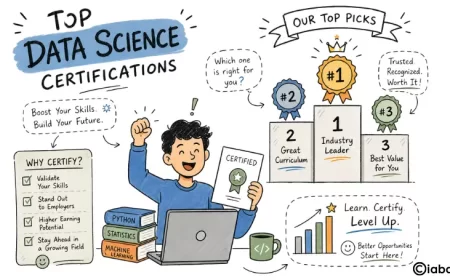
Students can boost their qualifications with the IABAC Certification. This global certification proves their knowledge in areas like data processing, machine learning, and visualization, making them more attractive to employers.
6. Career Paths in Data Science
Graduates can work in a variety of roles, such as:
-
Data Scientist
-
Data Analyst
-
Machine Learning Engineer
-
Business Intelligence Analyst
-
Big Data Engineer
These jobs are available in industries like banking, telecommunications, healthcare, and more.
How a Data Science Course Can Help Your Career
Many people wonder, "Can’t I just learn Data Science from free tutorials?" While it's possible, taking a structured course has some big advantages:
-
Clear Learning Path & Real Projects – A course gives you a clear plan, covering important topics like machine learning and data visualization, and includes hands-on projects that help you prepare for real work situations.
-
Expert Guidance – You'll learn from experienced professionals who explain difficult concepts and offer useful advice based on their work experience.
-
Recognized Certification – Completing a course gives you a certificate that proves your skills, making you stand out in South Africa’s competitive job market and increasing your chances of earning a better salary.
-
Job Opportunities & Networking – You’ll be connected to a network of professionals, past students, and hiring managers. Many programs even offer job placement support to help you find work.
A Look at Data Science Jobs in South Africa
In South Africa, tech-related jobs are on the rise, and Data Science roles are some of the most sought-after. Industries like banking, healthcare, retail, and even government departments are on the lookout for professionals who can turn data into valuable insights.

Some common job titles you’ll find include:
-
Data Scientist: Creates models and uses machine learning to solve business challenges.
-
Data Analyst: Focuses on creating reports and visualizations to present data in easy-to-understand ways.
-
Machine Learning Engineer: Builds and deploys AI-based solutions.
-
Big Data Engineer: Manages and processes huge amounts of data using specialized tools.
South Africa’s tech sector is growing quickly, thanks to investments in AI, cloud services, and automation. Cities like Johannesburg, Cape Town, and Durban have become hot spots for companies building data-driven teams, creating plenty of job openings for those with the right skills.
Data Scientist in South Africa: Skills, and Salary Insights
Data science is a fast-growing field in South Africa, with many job opportunities across different industries. As of February 2025, there are over 100 data scientist jobs available in South Africa, with positions in sectors like finance, healthcare, technology, and retail.
Key Responsibilities of a Data Scientist:
- Data Collection and Processing: Gathering data from various sources and organizing it for analysis.
- Data Cleaning and Preparation: Finding and fixing errors or missing information in the data to make sure it's accurate.
- Data Analysis: Using statistical methods to identify patterns and insights in the data.
- Predictive Modeling: Building machine learning models to predict future outcomes based on past data.
- Data Visualization: Creating charts and graphs to show the results of the analysis clearly.
- Collaboration: Working with other teams in the company to understand their needs and provide solutions based on data.
- Automation: Creating systems to automatically collect, analyze, and report data.
- Model Monitoring: Regularly checking and improving the models to keep them accurate.
- Communication: Explaining the findings to both technical and non-technical people in a clear way.
Salary Expectations:
The average salary for a data scientist in South Africa is about R725,174 per year, or R60,431 per month. Entry-level positions start around R357,238 per year, while more experienced data scientists can earn up to R8,113,500 per year. (za.talent.com)
What’s Next for Data Science in South Africa?
The future of Data Science looks bright, with new trends creating more demand for skilled professionals. Here are some areas where growth is expected:
-
AI-Based Solutions: From chatbots to advanced financial models, AI-powered tools are becoming more common, and data professionals are at the heart of this transformation.
-
Big Data and Cloud Platforms: As companies gather more data, they need experts to handle large-scale data systems and cloud technologies.
-
Healthcare Analytics: Data Science is helping doctors predict diseases, create personalized treatment plans, and improve patient care.
-
Environmental Analysis: Data scientists are working on solutions to environmental problems by analyzing climate data and creating sustainable strategies.
If you’re thinking about enrolling in a Data Science course in South Africa, now is a great time. The demand for skilled professionals is only increasing, and companies are willing to invest in talent that can help them grow. By earning a Data Science certification, you’ll not only boost your career but also gain the confidence to tackle real business challenges. I’ve seen how this journey can change lives. It’s not just about learning technical skills—it’s about learning to think critically, solve problems, and create value through data. If you’re ready to take the next step, go for it. The opportunities are out there waiting for you.