


























































How To Become A Data Scientist In South Africa
Learn how to become a data scientist in South Africa, including essential skills, qualifications, career paths, and job opportunities in the field.


Becoming a data scientist in South Africa has been one of the most rewarding experiences of my life. Trust me, it’s a career full of excitement and opportunity. I’ve gone through the steps of learning coding, statistics, and machine learning while also understanding how the South African tech industry works.
I started by learning tools like Python and R and worked on real-world projects that taught me it’s not just about analyzing numbers. It’s about finding important insights and telling meaningful stories through data. The demand for data scientists in South Africa is growing quickly, and from my experience, anyone with curiosity, persistence, and a commitment to continuous learning can do well in this field.
What Does a Data Scientist Do?
A data scientist works with large amounts of data to find useful patterns, trends, and insights. They help businesses make better decisions by analyzing and interpreting data. Their job involves collecting data, cleaning and organizing it, building models, and presenting findings in a clear and meaningful way.
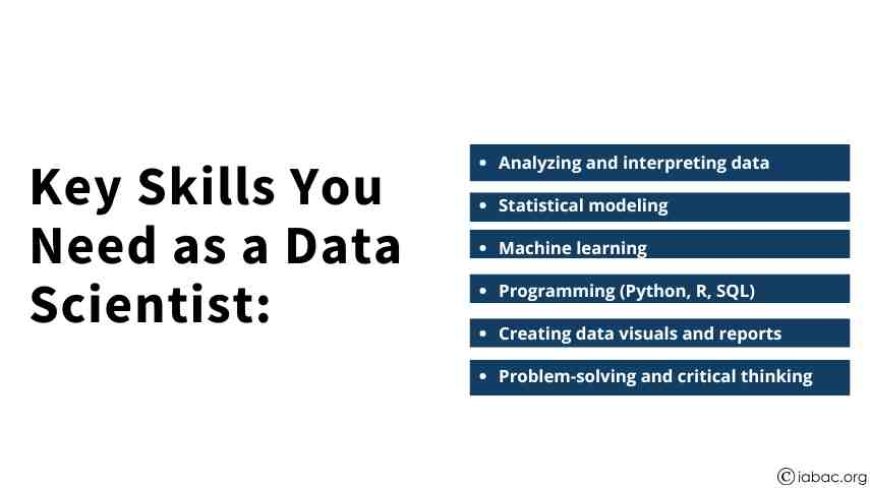
Key Skills You Need as a Data Scientist:
- Analyzing and interpreting data
- Statistical modeling
- Machine learning
- Programming (Python, R, SQL)
- Creating data visuals and reports
- Problem-solving and critical thinking
Step-by-Step Guide to Become a Data Scientist in South Africa
1. Get a Strong Educational Background
Although some data scientists take alternative paths, most begin with a degree in a related field. A bachelor’s degree in one of the following subjects is a good start:
- Computer Science
- Mathematics
- Statistics
- Information Systems
- Engineering
These fields teach you the basics of statistics, algorithms, and data processing, which are important for working as a data scientist.
2. Learn the Essential Skills
You’ll need to develop technical skills beyond what you learn in school. Focus on:
- Programming: Learn Python, R, and SQL. Python is especially popular for data analysis and machine learning.
- Data Processing: Master data cleaning, organization, and transformation using tools like Pandas (a Python library).
- Machine Learning: Understand common algorithms, like regression, classification, clustering, and deep learning. Learn tools like scikit-learn and TensorFlow.
- Data Visualization: Use tools like Matplotlib, Tableau, and Power BI to turn data into clear and engaging visuals.
You can practice these skills by working on small projects, like creating predictive models or analyzing public datasets.
3. Get Certified with IABAC
One of the most recognized certifications for data scientists in South Africa is through the International Association of Business Analytics Certification (IABAC). Their certifications are globally respected and help prove your expertise.
IABAC certifications cover areas like:
- Basic and advanced business analytics
- Machine learning techniques
- Presenting data insights with visualization
This certification can help you stand out to employers and show that you have the skills they’re looking for.
4. Build a Portfolio of Projects
Employers want to see practical experience, not just theory. A portfolio of completed projects can show them what you’re capable of. Consider including projects such as:
- Participating in Kaggle competitions
- Working on projects during your certification courses
- Building your own data science projects from start to finish, including data collection, analysis, and reporting
Highlight any projects that solve real-world problems or show your ability to work with data.
5. Gain Work Experience Through Internships
Internships are a great way to gain hands-on experience. Many South African companies, from banks to tech firms, offer data science internships.
If internships aren’t available, consider taking on freelance work or collaborating with other professionals on projects. Any experience will help you build your skills and network.
6. Learn How Businesses Work
A data scientist doesn’t just work with numbers—they help solve business problems. You’ll need to understand how businesses operate to provide useful insights.
Try to learn about:
- Business decision-making processes
- Problems faced by industries like finance, healthcare, or retail
- Evaluating business performance and costs
This knowledge will make your work as a data scientist more effective.
7. Keep Learning
Data science is a fast-growing field, so staying updated is important. Take online courses, join forums, and attend webinars to keep learning about new tools and methods.
8. Build Your Professional Network
Networking can help you find job opportunities and learn about industry trends. Attend data science events in South Africa, join online communities, and connect with professionals on LinkedIn. Sharing your work and experiences online can also open doors to job offers.
What Do You Need to Get Started in South Africa?
To become a successful data scientist in South Africa, you’ll need:
- A degree in a related field (such as Computer Science or Statistics)
- Technical skills like programming, data processing, and machine learning
- A recognized certification, such as IABAC, to boost your qualifications
Why Is IABAC Certification Important?
The IABAC certification is globally recognized and provides proof of your skills in data science. Here are some of its key benefits:
- Recognition by employers in South Africa and beyond
- Comprehensive training in key areas of data science
- Improved job opportunities and career growth
Getting certified by IABAC can help you stand out when applying for jobs and give you a competitive edge.
How Much Does a Data Scientist Earn in South Africa?
Data science has become one of the most in-demand jobs today. With industries like finance, healthcare, marketing, and e-commerce relying on data to make decisions, the demand for skilled data scientists continues to grow. South Africa is no exception, offering exciting job opportunities. But how much can you actually earn as a data scientist in South Africa? Let’s break it down.
Average Salary of a Data Scientist in South Africa
On average, a data scientist in South Africa earns around R 744,310 per year, or about R 382 per hour. This makes it a high-paying career, but your salary can vary based on experience, location, and industry.

Here’s a closer look at the breakdown:
- Entry-level positions: New data scientists starting their careers typically earn around R 360,000 per year.
- Experienced professionals: With more experience, specialized skills, or working in a high-demand industry, you could earn up to R 8,145,000 per year.
This wide range shows that your experience level has a big impact on how much you can make.
What Affects Data Scientist Salaries in South Africa?
1. Experience Level
Your level of experience is one of the most important factors affecting your salary as a data scientist. Here’s a typical progression:
|
Experience Level |
Average Salary (Annual) |
|
Entry-level (0-2 years) |
R 360,000 - R 500,000 |
|
Mid-level (2-5 years) |
R 600,000 - R 900,000 |
|
Senior-level (5+ years) |
R 1,000,000 - R 8,145,000 |
When you start out, you’ll likely focus on basic tasks like data cleaning and reporting. As you gain experience, you’ll take on bigger projects like creating machine learning models or designing predictive systems, which leads to higher pay.
2. Location
Where you work in South Africa can affect your salary. Major cities like Johannesburg, Cape Town, and Durban typically offer higher salaries. This is because many large companies, banks, and tech firms are located in these cities.
- Johannesburg: Known as South Africa’s business hub, it often has the most competitive salaries.
- Cape Town: Home to many startups and tech companies, which can also offer good pay.
- Durban: While slightly smaller, it still has opportunities in industries like manufacturing and finance.
3. Industry
Different industries pay data scientists different amounts, depending on how valuable data is to them.
- Finance and Banking: Often offers high salaries because data scientists help with tasks like risk analysis and market predictions.
- Tech and IT: With growing interest in AI and machine learning, tech companies are willing to pay more for talent.
- Healthcare: Working in medical research or health tech can lead to good earnings, especially for those working on advanced projects.
- E-commerce and Retail: Data scientists here work on customer data, pricing strategies, and demand forecasting, which can also pay well.
4. Skills and Expertise
Your specific skills can have a big impact on your salary. Employers are looking for data scientists who have strong technical and problem-solving skills.
The most in-demand skills include:
- Programming: Python, R, SQL, and Java are popular.
- Machine Learning: Experience with tools like TensorFlow or Scikit-learn is valuable.
- Big Data: Working knowledge of technologies like Hadoop or Spark can help you stand out.
- Data Visualization: Skills in Tableau or Power BI are important for sharing insights.
- Domain Knowledge: Understanding the needs of industries like finance or healthcare can help you earn more.
5. Education and Certifications
While most data scientists start with a bachelor’s degree in computer science, statistics, or math, higher education can increase your earnings. If you have a master’s degree or Ph.D., you may be able to negotiate a better salary. Certifications in areas like machine learning, big data, or cloud computing can also help boost your pay.
How Does South Africa Compare to Other Countries?
Compared to developed countries, South Africa’s average data scientist salary is lower. However, the cost of living in South Africa is also much more affordable, making local salaries competitive.
Here’s a comparison of average salaries:
- United States: $120,000 per year (~R2.2 million)
- United Kingdom: £45,000 - £70,000 per year (~R1 million - R1.5 million)
- India: ₹10,00,000 per year (~R220,000)
For local professionals, South Africa still offers good growth potential as more companies begin using data-driven strategies.
How to Increase Your Salary as a Data Scientist in South Africa
If you’re a data scientist looking to earn more, here are some tips to help:
- Keep Learning: Stay updated on the latest trends, tools, and technologies in data science.
- Build a Portfolio: Work on real-world projects that showcase your skills to potential employers.
- Join Communities: Attend data science events, meetups, and conferences to network and learn about job openings.
- Specialize in High-Demand Areas: Skills like natural language processing or computer vision are highly valued and can lead to better-paying jobs.
Becoming a data scientist in South Africa requires dedication, learning, and practice. You can build a successful career in this exciting field by following the steps in this guide—getting the right education, developing your technical skills, earning certifications, and gaining real-world experience. As businesses in South Africa increasingly rely on data, now is the perfect time to start your journey as a data scientist.