




















































How to Become a Successful HR Analyst
Learn how to become a successful HR analyst by developing key skills, leveraging HR analytics, and driving strategic workforce decisions.


The role of an HR Analyst is becoming more important than ever as companies depend on data-driven decisions to manage their workforce. From finding the right people to improving employee engagement, HR Analysts work where human resources and data analysis meet.
If you’re interested in this career, you might be asking yourself:
- What does an HR Analyst actually do?
- What skills are needed to succeed?
- How can I build a career as an HR Analyst?
This blog will guide you step by step. Whether you are an HR professional planning to upgrade your skills, a fresh graduate, or someone from another field like finance or healthcare analytics, this guide will help you understand the path.
What is an HR Analyst?
An HR Analyst is a professional who works with HR data to give insights that help companies make better people-related decisions.
Instead of depending only on instinct, HR Analysts use numbers and reports to shape HR policies. Their work covers areas like hiring, employee retention, training, and performance management. Let’s say a company has a high employee turnover rate. An HR Analyst will look into data from exit interviews, salary reports, and job satisfaction surveys to identify patterns and suggest solutions.
Data Collection ➝ Data Analysis ➝ HR Insights ➝ Recommendations ➝ Improved Retention
Why HR Analysts Are Important in 2025
The workplace in 2025 is becoming more data-focused. Businesses in different sectors — finance, IT, healthcare, and others — see the value in analyzing HR data. Here’s why the role of HR Analysts is growing fast:
-
Better Decisions with Data: Companies want to plan workforce needs using analytics.
-
Remote & Hybrid Work: Tracking engagement and productivity needs accurate HR data.
-
Compliance Needs: HR Analysts help ensure company policies follow labor laws and privacy rules.
-
AI in HR: Many HR tools use AI, and Analysts make sense of the results.
Reports show that HR Analyst jobs will continue to rise, and employers prefer candidates with data analytics certifications.
What Does an HR Analyst Do?
Here are the common tasks HR Analysts handle:
|
Responsibility |
Description |
Tools/Methods Used |
|
Data Collection |
Collect information on hiring, pay, training, and performance |
HRIS, Surveys, Excel |
|
Data Analysis |
Organize and review data to find useful patterns |
SQL, Power BI, Tableau, Python |
|
Reporting |
Create dashboards and reports for management |
Excel Pivot Tables, Power BI |
|
Strategic Insights |
Suggest improvements in HR practices |
Predictive Analytics, Forecasting |
|
Compliance |
Ensure rules and laws are followed |
HRIS, Compliance Tools |
|
Performance Tracking |
Measure how effective HR policies are |
Metrics like Retention Rate, Cost per Hire |
Top HR Analyst Skills in 2025
To shine as an HR Analyst in 2025, you’ll need both technical and HR knowledge. Here are the main skills:

-
Data Analysis
-
Work with large sets of data.
-
Use statistics and predictive models.
-
Technical Tools
-
Advanced Excel.
-
Visualization tools like Power BI or Tableau.
-
HRIS software such as Workday, Oracle, or SAP.
-
HR & Business Knowledge
-
Understand HR metrics like employee turnover and cost-per-hire.
-
Knowledge of finance or healthcare data if you work in those sectors.
-
Communication Skills
-
Present data insights clearly.
-
Share findings with managers in a simple way.
Career Path of an HR Analyst
Here’s the usual journey:
1. Education
- A Bachelor’s degree in HR, Business, or Data Analytics is common.
- Many HR professionals enter analytics by learning data analysis basics.
2. Gain Work Experience
- Start with entry-level jobs like HR Assistant, HR Coordinator, or Junior HR Analyst.
- Take part in projects involving reporting and employee data.
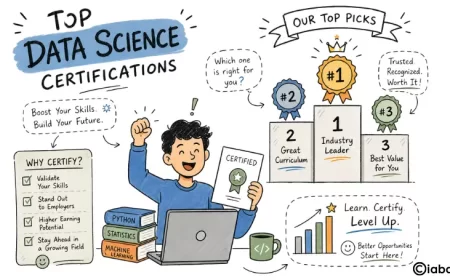
3. Certifications
Certifications help you build credibility. Some useful ones are:
- Data Analyst Certification (for strong data skills).
- Data Analytics Foundation (good for beginners).
- Data Analytics for Managers (for leadership roles).
- Industry-focused certifications like Finance Analytics Professional or Healthcare Analytics Professional.
4. Specialization
- Grow your skills in AI, predictive analysis, and workforce forecasting.
HR Assistant → Junior HR Analyst → HR Analyst → Senior HR Analyst → HR Analytics Manager → HR Strategy Director
Who Should Choose a Career as HR Analyst?
This role is ideal for:
-
HR Professionals: Those in HR who want to move toward analytics.
-
Data Analysts: Analysts who want to focus on workforce data.
-
Managers: Leaders who want to use HR data for decisions.
-
Finance & Healthcare Experts: Professionals interested in adding HR-focused analytics to their skills.
If you enjoy both working with people and working with data, this role could be perfect.
Steps to Become a Successful HR Analyst
Here’s a simple roadmap:
-
Start with Data Basics: Learn Excel, then Power BI or Tableau.
-
Understand HR Concepts: Focus on recruitment, training, and performance data.
-
Get Certified: Go for Data Analyst Certification or Data Analytics Foundation.
-
Work on Real Data: Practice with HR datasets and projects.
-
Build a Portfolio: Showcase dashboards and reports.
-
Connect with HR Experts: Join LinkedIn groups, HR events, and online communities.
Common Challenges for HR Analysts
Like any profession, HR Analysts face some challenges:
-
Data Privacy: Managing sensitive employee information.
-
Integration Problems: Combining HRIS data with analytics platforms.
-
Adoption Issues: Convincing managers to use data insights for decision-making.
A successful HR Analyst learns how to handle these challenges while keeping both accuracy and people in mind.
Future of HR Analytics
Here are trends shaping HR Analytics in 2025:
-
AI and Predictive Tools for hiring and retention.
-
Sentiment Analysis from employee feedback.
-
Automation for faster HR reporting.
-
Industry-Specific HR Analytics for finance, healthcare, and IT.
Building a career as an HR Analyst takes the right mix of data skills, HR knowledge, and business understanding. With the growing demand for analytics in HR, this role is one of the most promising careers in 2025. By pursuing certifications like Data Analyst Certification, Data Analytics Foundation, or specialized programs such as Finance Analytics Professional and Healthcare Analytics Professional, you can strengthen your career prospects.