












































What are the career benefits of an HR Analytics Course
Learn how an HR Analytics course enhances career growth, job opportunities, and skills in data-driven HR decision-making.

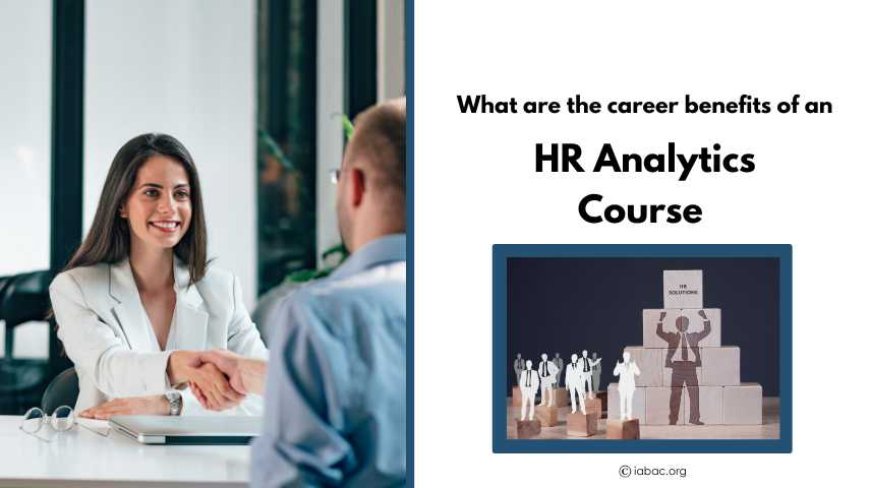
Taking an HR Analytics course changed things for me and gave my career a boost. Earning the Certified HR Analytics Professional certification opened up new opportunities. The course taught me how to use data to make smarter decisions that support business goals. With the growing value of Data Analytics Certifications, I could see how it built my credibility and improved my job chances. This experience not only increased my knowledge but also helped me become a trusted expert in HR.
What is an HR Analytics Course?
An HR Analytics course helps HR professionals understand how to analyze employee data and use insights to improve HR functions. Topics covered include recruitment analysis, employee engagement, retention strategies, compensation analysis, and predictive modeling. You’ll also learn to use tools like data visualization, regression analysis, and HR dashboards to make informed decisions.
What is another name for HR analytics?
Companies are looking for better ways to improve their most valuable asset: their employees. Traditional HR practices are being enhanced with data-driven insights, and "HR Analytics" is becoming a key concept in this change. But there’s another term gaining attention—People Analytics. While similar, People Analytics takes a broader approach to understanding and improving the workforce.
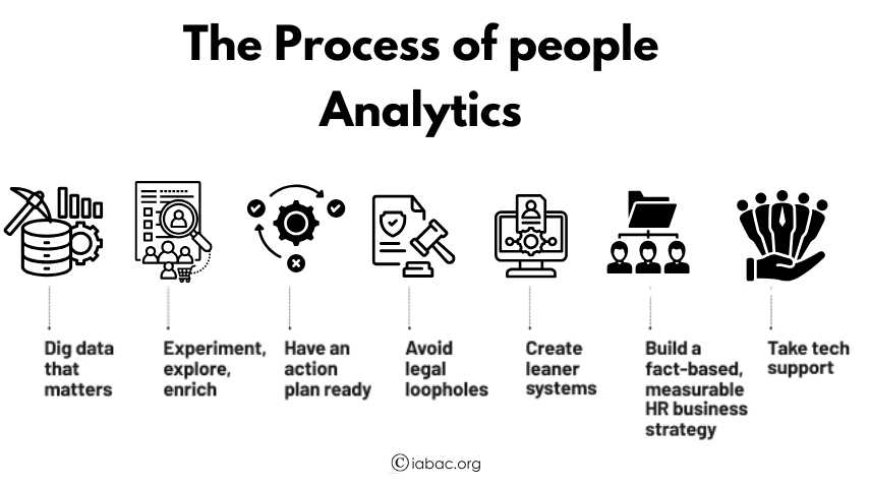
People Analytics, also known as Workforce Analytics or Talent Analytics, involves using data to make smarter decisions about managing human resources. It combines both numbers and feedback to help with areas like hiring, employee growth, engagement, and retention. Simply put, it’s about using data to make better choices that lead to better results for the company.
The Shift in HR: From Administrative to Strategic
In the past, HR mainly focused on administrative tasks like payroll, benefits, and hiring. While these tasks are still important, HR's role has grown. Now, HR also focuses on areas like talent development, performance management, and company culture.
Data is the key to this shift. Businesses have realized that just tracking basic HR metrics like turnover or employee satisfaction isn’t enough. With the help of advanced HR Analytics tools, HR teams can gather deeper insights that help boost business success.
Benefits of an HR Analytics Course

- Better Decision-Making: Data-driven HR decisions improve hiring, promotions, and employee engagement strategies.
- Career Growth: Gaining HR analytics skills makes you more valuable to employers and opens up career opportunities in HR and data-driven roles.
- Improved Organizational Performance: Analyzing HR data helps identify trends and improve strategies for employee satisfaction and productivity.
- Understanding HR Metrics: Learn to interpret key HR data, such as turnover rates and employee performance, to make smart decisions.
- Certification and Recognition: Completing an HR Analytics course often earns you certifications, such as the Certified HR Analytics Professional, which is recognized worldwide and boosts your credibility.
- Using HR Technology: Learn how to incorporate HR tech tools into strategies that improve efficiency and streamline processes.
Why Choose IABAC for HR Analytics?
The International Association of Business Analytics Certification (IABAC) offers quality HR Analytics courses that include hands-on practice and real-world case studies. The Certified HR Analytics Professional certification from IABAC is globally recognized and enhances your expertise in HR analytics.
What tools and software will I learn to use in the HR Analytics Course?
In an HR Analytics Course, you'll learn to use essential tools like Excel (including Pivot Tables, Power Query, and VBA) and Google Sheets for data management. You'll also work with SPSS or R for statistical analysis. To create reports and visualizations, you'll use tools like Power BI, Tableau, and Qlik Sense to build interactive dashboards. HR platforms such as SAP SuccessFactors, Workday, and Oracle HCM will help you analyze employee data. You'll gain experience with SQL for data extraction and Python or R for predictive analytics. The course also covers tools like Qualtrics and Google Forms for employee feedback and NLP techniques for sentiment analysis. Additionally, you'll be introduced to Alteryx, PeopleSoft, and Visier for HR automation. By the end of the course, you'll have the skills to clean data, create visuals, track HR KPIs, and apply predictive analytics, all of which are key for making informed decisions in HR. This will help you earn your Certified HR Analytics Professional certification and improve your career with Data Analytics Certifications.
What is the format of the HR Analytics Course?
An HR Analytics Course typically includes several key components to help you understand and apply HR analytics in the workplace:
- Video Lessons – Pre-recorded or live videos explaining HR analytics concepts, methods, and real-life examples.
- Reading Materials – Articles, guides, and e-books to support the video lessons.
- Quizzes – Short tests to check your understanding of the topics covered.
- Case Studies – Real-world examples of HR analytics problems and solutions.
- Hands-on Exercises – Practical assignments using HR data and tools like Excel, Python, or Power BI.
- Live Webinars or Group Sessions – Opportunities to ask questions and engage with experts.
- Final Project – A capstone project where you apply what you've learned to solve an HR-related problem.
Some courses also offer certificates, such as the Certified HR Analytics Professional or Data Analytics Certifications, which can enhance your career.
Group Discussions & Collaboration in HR Analytics Courses
HR Analytics relies on making decisions based on data, and collaboration is key to learning. Many HR Analytics courses offer online forums, live discussions, and group projects, allowing students to share ideas and solve problems together. Participating in discussions helps sharpen analytical thinking, improve problem-solving skills, and build a professional network. By working with peers, you can apply analytical tools, understand HR data, and address real-world challenges. These interactive elements enhance learning and prepare you for roles in HR Analytics. Make the most of collaboration and boost your journey to becoming a Certified HR Analytics Professional with Data Analytics Certifications.
An HR Analytics course provides you with the skills to make data-driven decisions that improve your organization. Whether you want to advance in your HR career or improve your company’s HR strategies, this course offers valuable insights and certifications that will help you succeed in HR analytics.