

























































How to Start a Career in Business Analytics
Learn essential steps to launch a career in business analytics, from gaining skills and certifications to finding job opportunities in this high-demand field


What is business analytics?
Business analytics is the practice of looking at data (numbers, facts, and trends) to understand what’s happening in a company. Businesses use analytics to figure out things like why sales are going up or down, how they can improve customer service, or which products people like the most.
There are three main types.
- Descriptive Analytics: This helps businesses understand what has happened. For example, looking at last month’s sales data to see how well a product sold.
- Predictive Analytics: This is about predicting what might happen. For example, using past data to guess how many people will buy a product next month.
- Prescriptive Analytics: This type recommends actions to take. For example, based on the data, it might suggest lowering prices to increase sales.
Why Choose a Career in Business Analytics
BA is becoming an important part of many companies. They need people who can look at data and find useful information.
- Job Opportunities: There are many jobs in this field, and companies from all industries are looking for analysts who can help them with data.
- Good Salary: Jobs in this field often pay well. As you gain more experience and skills, your earning potential increases.
- Work in Different Fields: Business analytics is used in almost every industry, like healthcare, marketing, finance, and technology, so you can work in an area that interests you.
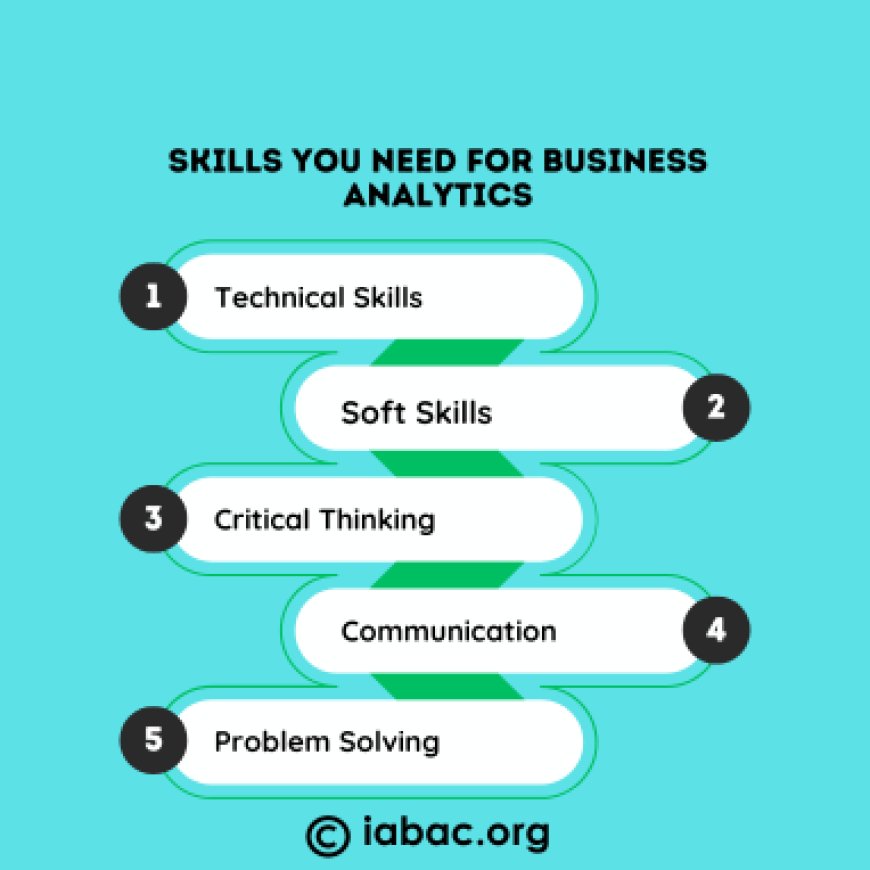
Skills You Need for Business Analytics
Starting a career in business analytics requires learning a mix of technical and non-technical skills. Don’t worry, you don’t need to be an expert in everything right away. Here are some of the skills you’ll need:
- Technical Skills:
- Excel: This tool is often used for organizing data, creating reports, and performing simple calculations.
- SQL: SQL is a programming language used to manage and get data from databases.
- Python or R: These are programming languages that help you analyze large sets of data. They are popular in the field, but you don’t need to learn both right away.
- Data Visualization: This means creating charts or graphs to explain what the data shows. Tools like Tableau or Power BI make it easy to create visual reports.
- Basic Math and Statistics: Understanding statistics is important because it helps you analyze and interpret data correctly. You don’t need to be a math genius, but knowing the basics is essential.
- Soft Skills:
- Critical Thinking: You need to be able to look at the data and figure out what’s going on and why it matters.
- Communication: A big part of the job is explaining what the data means to people who aren’t familiar with analytics, so being able to communicate is important.
- Problem Solving: Businesses look to analysts to help solve real problems using data, so being good at finding solutions is key.
Education for Business Analytics
You don’t need a specific degree to get started. Many people start with degrees in business, economics, mathematics, or computer science. But even if you’re not studying one of these fields, there are other ways to learn.
- Certifications: Online platforms offer affordable courses. You can learn the basics of tools like SQL, Python, and Excel by completing these courses.
- Do You Need a Master’s Degree? A master’s degree can be helpful for career growth, but it’s not necessary for getting your first job. Many analysts start working with a bachelor’s degree or after completing certifications.
Gaining Experience
Experience is important in any career. The good news is you can start gaining experience while you’re still learning.
- Internships: Internships are a great way to get hands-on experience. Many companies offer internships, and they’re a perfect way to see how businesses use data in real life.
- Personal Projects: You can also start analyzing data on your own. Websites like Kaggle offer free datasets you can practice with. For example, you could take a dataset about movie ratings and analyze it to find trends in popular movies.
- Freelancing: If you’re confident in your skills, consider doing small freelance projects. Websites like Upwork and Fiverr have opportunities for beginners who want to help businesses with data analysis.
Networking and Learning from Others
It’s important to meet people who are already in the field. Networking can help you learn from others, find job opportunities, and get advice.
- Attend Events: There are many online and offline events focused on business analytics. Look for webinars, meetups, or conferences where you can learn from experts and connect with other learners.
- Use LinkedIn: Create a LinkedIn profile and start connecting with professionals. Share your projects, ask for feedback, and learn from their experiences.
- Mentorship: Finding a mentor in the field can be very helpful. A mentor can offer advice on learning new skills, finding jobs, and avoiding common mistakes.
Building a Portfolio
A portfolio is a collection of projects that show what you’ve done and what you’re capable of. Having a strong portfolio can help you stand out to employers even if you’re just starting.
- Create Projects: Start with small projects that analyze data sets and answer interesting questions. For example, you could analyze social media trends, weather patterns, or sales data from a company.
- Where to Share: Once you have a few projects, you can share them on platforms like GitHub, Kaggle, or even your own blog or LinkedIn profile.
- Show What You’ve Learned: Employers want to see how you can use data to solve problems. Make sure your projects show that you understand the data, can visualize it, and explain it clearly.
Finding a Job in Business Analytics
When you’re ready to look for a job, it’s important to know where to search and how to present yourself to employers.
- Job Titles to Look For: Look for entry-level positions with titles like Data Analyst, Business Analyst, or Business Intelligence Analyst.
- Where to Find Jobs: Job search websites like LinkedIn, Indeed, and Glassdoor often have listings for business analytics jobs. You can also check company websites directly.
- Tailoring Your Resume: When creating your resume, focus on your technical skills (like Excel, SQL, and Python), any certifications you’ve completed, and your project experience.
- Interview Preparation: Prepare for interviews by practicing technical questions (about tools like SQL and Excel) and explaining your projects. Be ready to show how you’ve used data to solve problems or answer important questions.
Starting a career in business analytics may seem challenging, but with the right approach, it's achievable. Begin by learning the basics of data analysis, improving your skills in tools like Excel and SQL, and working on small projects to gain practical experience. Certifications can also boost your resume; consider recognized options like those offered by IABAC (International Association of Business Analytics Certification), which validate your expertise and make you more attractive to employers. Remember, you don't need to be an expert right away. Focus on learning continuously, building your portfolio, and staying curious as you take your first steps toward a rewarding career in business analytics.