























Introduction to Business Analytics and Its Key Concepts
The basics of business analytics, including key concepts, tools, and techniques to help make data-driven decisions and drive business success.


Businesses rely on data to make better decisions, improve their operations, and stay competitive. Business analytics is about how companies use data to boost performance, predict future trends, and find useful patterns. It involves using methods like statistics, data analysis, and forecasting to turn raw data into meaningful information.
Key ideas include collecting data, processing it, and analyzing it to help businesses make smart choices. Understanding these basics is important for any company that wants to use data to make better decisions and succeed in the market.
The Definition of Business Analytics
Businesses rely on a structured approach to understand and use data for better results. Business Analytics (BA) has become essential for gaining insights, making decisions, and planning strategies. This guide provides a clear overview of what business analytics is, its main components, why it matters, and where it’s heading.
What is Business Analytics?
Business Analytics (BA) is the practice of collecting, examining, and interpreting data to help improve business decisions. It’s not just about gathering data; BA focuses on understanding past trends, predicting future outcomes, and optimizing processes. Essentially, BA helps organizations make informed, data-driven decisions.
Key Parts of Business Analytics
- Descriptive Analytics: Shows what happened in the past using charts, graphs, and dashboards. For example, a retailer might use it to track last quarter’s sales trends.
- Diagnostic Analytics: Explains why things happened by analyzing data patterns and correlations. For instance, a company could use it to understand why customer churn rates increased.
- Predictive Analytics: Uses historical data to predict future outcomes. For example, a bank might analyze past data to forecast credit risks.
- Prescriptive Analytics: Recommends actions based on predictions, using algorithms and simulations. In manufacturing, this might mean optimizing production schedules to lower costs.
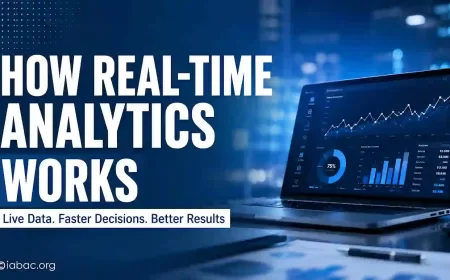
- Real-time Analytics: Provides instant insights from current data, useful for quick decision-making. An e-commerce site, for example, can personalize user experiences based on real-time browsing behavior.
Tools in Business Analytics
To make sense of data, BA uses a mix of tools:
- Data Storage: Tools like Amazon Redshift and Google BigQuery store and manage data.
- Analytics Software: Programs like R, SAS, and Python are used for data analysis and machine learning.
- Visualization Tools: Platforms like Tableau and Power BI create visual data reports.
- Big Data Platforms: Tools like Apache Hadoop handle large datasets that traditional systems can’t process.
Why Business Analytics Matters
Business analytics has many benefits:
- Better Decision-Making: Replaces guesswork with evidence-based insights.
- Operational Efficiency: Improves workflows and reduces costs.
- Higher Profitability: Identifies revenue opportunities like cross-selling and customer retention.
- Enhanced Customer Experience: Helps businesses understand and serve their customers better.
- Staying Competitive: Allows companies to keep up with market trends and consumer behavior changes.
Business Analytics in Action
Across industries, BA drives growth and efficiency:
- Retail: Tracks inventory and customer preferences to optimize stock and pricing.
- Healthcare: Improves patient flow and personalizes treatment plans.
- Finance: Manages credit risks and detects fraud.
- Manufacturing: Helps with predictive maintenance and quality control.
- Marketing: Analyzes campaign results and customer segments to boost engagement.
Difference Between Business Analytics and Data Analytics
Data analytics is a broad term covering all types of data analysis. Business analytics, on the other hand, focuses specifically on using data to improve business performance.
Challenges in Business Analytics
While BA offers great benefits, it comes with challenges like:
- Data Quality: Ensuring accurate and complete data is essential for reliable results.
- Data Security: Protecting sensitive information, especially in sectors like finance.
- Skills Gap: Finding talent skilled in data analysis and technical expertise.
- Adopting a Data-Driven Culture: Encouraging stakeholders to embrace data-based decision-making.
Future of Business Analytics
As technology progresses, new trends are shaping the future of business analytics:
- AI and Machine Learning: AI-driven insights and predictions are becoming faster and more accurate.
- Natural Language Processing (NLP): NLP allows users to interact with data using natural language, making analytics easier to use.
- Edge Analytics: Processes data directly at its source, speeding up real-time decisions.
- Augmented Analytics: Combines AI with data to automate insights, making analytics more accessible.
- Data for Everyone: User-friendly tools are making it easier for employees to access data, promoting a culture of data-informed decision-making.
The Growing Importance of Business Analytics
In a competitive business landscape, organizations are increasingly relying on data-driven insights to make informed decisions. With the sheer volume of data generated daily, the ability to extract meaningful information has become crucial for businesses looking to stay ahead. This is where business analytics plays a pivotal role, empowering companies to harness data for strategic decision-making.
Whether you are a seasoned professional or someone new to the field, understanding the key concepts of business analytics is essential for navigating the modern data landscape. Moreover, with the rise of various business analytics certifications, like Certified Visual Analytics Expert or Business Analytics Foundation, individuals can further enhance their knowledge and skills, opening doors to specialized areas such as business analytics specialist banking, business analytics specialist health care, and more.
Challenges of Business Analytics
Despite its importance, business analytics can be overwhelming for those unfamiliar with the field. With numerous techniques, tools, and applications, beginners often struggle to grasp the fundamentals. Additionally, businesses across different industries, from banking to agriculture, require unique analytical approaches, making it even more complex.
Many professionals wonder where to start their journey in analytics. Should they focus on mastering the basics, like the Certified Business Analytics Expert program, or explore more industry-specific areas, such as Business Analytics Specialist Insurance or Business Analytics Specialist Retail? The myriad of options can leave many unsure of the best path forward.
What Are the Key Concepts in Business Analytics
Given the complexity and the diverse applications of business analytics, the pressing question becomes: What are the fundamental concepts that every aspiring business analyst should know? Understanding these concepts will not only lay the groundwork for future learning but also help individuals identify the right business analytics certification to pursue, whether they want to become a certified visual analytics expert or specialize in areas like healthcare or logistics.

Key Concepts in Business Analytics
The key concepts that form the foundation of business analytics.
1. Descriptive Analytics
Descriptive analytics focuses on understanding past data. It answers the question, "What happened?" By analyzing historical data, businesses can uncover patterns and trends that provide a clear picture of past performance. Tools like dashboards and reports fall under this category, providing visual representations of data through Certified Visual Analytics Expert techniques.
2. Predictive Analytics
Predictive analytics moves beyond past data and forecasts future trends. Using machine learning, statistical algorithms, and data mining, predictive models provide answers to the question, "What could happen?" Businesses use these insights to anticipate market shifts, customer behavior, and potential risks. This concept is crucial for professionals pursuing the Certified Business Analytics Expert or industry-specific roles like Business Analytics Specialist Banking or Business Analytics Specialist HealthCare.
3. Prescriptive Analytics
While predictive analytics focuses on forecasting, prescriptive analytics provides recommendations. It helps businesses determine the best course of action by answering, "What should we do?" Advanced techniques like optimization and simulation fall under this category, and it is a valuable area for those specializing in roles like business analytics specialist logistics.
4. Data Mining and Warehousing
Before analysis can begin, data must be properly stored and managed. "Data mining" refers to the process of discovering patterns in large datasets, while "data warehousing" ensures that data is organized and stored in a central repository for easy access. This foundational step is essential for building accurate models and is often covered in certifications like the Business Analytics Foundation.
5. Big Data Analytics
With the explosion of digital data, businesses now face the challenge of analyzing vast amounts of information. Big Data analytics uses specialized tools and techniques to handle, analyze, and derive insights from massive datasets. This is a critical area for professionals working in large industries like business analytics specialist banking or business analytics specialist insurance.
7. Industry-Specific Applications
The principles of business analytics apply across industries, but the tools and techniques can differ based on sector needs. For example:
- Business Analytics Specialist Agriculture focuses on optimizing crop yields and improving supply chains.
- Business Analytics Specialist healthcare leverages data to improve patient care and streamline hospital operations.
- A business analytics specialist in logistics looks at improving supply chain efficiency and reducing operational costs.
- A business analytics specialist in retail uses analytics to understand customer preferences, optimize pricing, and forecast demand.
Professionals can pursue certifications tailored to these industries to gain deeper insights into how business analytics applies in their respective fields.