



























































Why Data Science Matter
Data science transforms raw data into insights that drive smart decisions, innovation, and growth across industries responsibly and efficiently.


Data science is the multidisciplinary field of extracting knowledge and insights from vast, complex data using scientific methods, algorithms, and systems. In a world generating massive amounts of data every second, data science matters because it transforms this raw information into actionable intelligence that drives smarter decision-making, innovation, and efficiency across all industries.
Understanding data science
Data science can be broken down into a methodical process for creating value from data. A typical data science workflow follows these steps:
-
Obtain data: Collecting both structured (tables, spreadsheets) and unstructured (text, video, audio) data from various internal and external sources.
-
Scrub data: Cleaning and preparing the raw data by handling errors, duplicates, and missing values, which is often the most time-consuming step.
-
Explore data: Using statistical methods and visualization tools to analyze data and uncover initial trends, patterns, and correlations.
-
Model data: Applying machine learning algorithms and statistical models to the cleaned data to make predictions and derive deeper insights.
-
Interpret results: Communicating findings in a clear, understandable way to stakeholders and delivering the final model for implementation.
Why data science matters
The practical applications of data science provide a competitive edge for businesses and enable solutions for global challenges.
1. Data-Driven Decision-Making
Data science replaces intuition-based decisions with an approach based on empirical evidence and statistical analysis. This gives leaders and managers the objective insights they need to strategize confidently and respond quickly to market changes.
-
Example: A flight booking service might analyze historical data to identify booking spikes and slumps, using these insights to optimize its marketing strategy.
2. Understanding Customers Better
By analyzing customer data from various sources, companies gain a comprehensive view of customer behavior, preferences, and needs.
-
Personalized marketing: Companies can tailor product recommendations and messaging to individual customers, increasing engagement and conversion rates.
-
Churn prediction: Identifying customers at risk of leaving allows businesses to take proactive steps to improve customer retention.
3. Improving Operational Efficiency
Data science helps organizations streamline processes, reduce costs, and enhance productivity by identifying inefficiencies and bottlenecks.
-
Predictive maintenance: Manufacturing companies use machine learning to predict equipment failures, reducing unplanned downtime.
-
Route optimization: Logistics companies use data analytics to plan the most efficient delivery routes, saving on fuel costs and delivery times.
4. Predicting Future Trends
Predictive analytics, a core component of data science, uses statistical models to forecast future outcomes.
-
Demand forecasting: Retailers can use predictive models to forecast inventory needs and manage shipping schedules, ensuring products are available when customers want them.
-
Risk assessment: Financial institutions use predictive analytics to assess risk and detect fraudulent activities.
5. Driving Innovation
By revealing hidden patterns and market gaps, data science supports the development of new products, services, and business models.
-
Healthcare advancements: Data science accelerates drug discovery, improves medical imaging analysis for diagnosis, and enables personalized treatment plans.
-
Technology innovation: Recommendation systems on platforms like Netflix and Amazon, which personalize content and product suggestions, are powered by data science.
6. Managing Risk and Detecting Fraud
Machine learning algorithms can analyze transaction patterns and detect unusual behavior in real-time, helping institutions prevent fraud and manage financial risk.
7. Measuring Performance and ROI
Data science provides the metrics needed to effectively measure the return on investment of business initiatives. This enables organizations to monitor progress, prioritize strategies, and allocate resources efficiently.
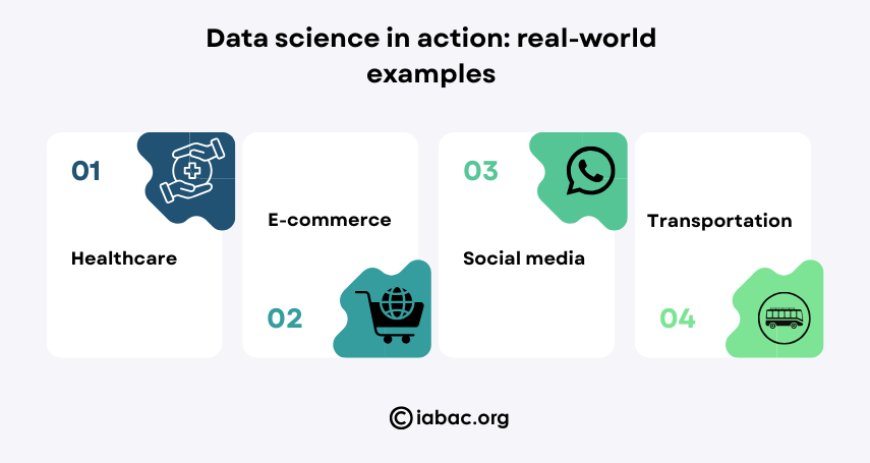
Data science in action: real-world examples
-
Healthcare: Predictive analytics is used to forecast disease outbreaks and create personalized treatment plans.
-
E-commerce: Companies like Amazon use data science for personalized product recommendations and demand forecasting.
-
Social media: Platforms such as Instagram use data science to create personalized recommendation feeds for users.
-
Transportation: Ride-hailing apps like Uber use data science to optimize pricing and routes based on various factors.
The role of data science in business growth
For business growth, data science is moving from a competitive advantage to a necessity. Companies that successfully use data to inform decisions, optimize operations, and predict market trends will continue to outperform those relying on traditional methods. This allows organizations to be more agile, responsive, and innovative in a competitive landscape.
Challenges and ethical considerations
The rapid advancement of data science brings challenges that need addressing:
-
Data privacy and security: Ensuring the ethical and secure handling of sensitive data, guided by regulations like GDPR.
-
Algorithmic bias: Mitigating biases in training data to prevent discriminatory outcomes, especially in critical areas like lending or hiring.
-
Data quality: The "garbage in, garbage out" principle highlights the need for clean, high-quality data to produce reliable insights.
-
Talent shortage: The demand for skilled data science professionals continues to outpace the available talent supply.
The future of data science
The field of data science is constantly evolving. Key trends shaping its future include:
-
AI and Machine Learning: Advancements in these areas will lead to more sophisticated and automated data analysis.
-
Edge Computing and IoT: The proliferation of Internet of Things devices means data processing will increasingly occur closer to the source.
-
Explainable AI: The growing demand for transparent and interpretable AI models will build trust in systems that make critical decisions.
-
Ethical considerations: An increased focus on ethical guidelines and data governance will be essential for responsible data use.
Data science turns complex data into useful insights that help businesses make smarter decisions, improve operations, and drive innovation. It supports everything from customer understanding to risk management and product development.
As technology continues to grow, data science will play an even bigger role in shaping how organizations work and compete. Success will depend on using data responsibly, protecting privacy, and ensuring fairness in every decision.