












































Professional Course in Data Science
Learn data science with this professional course. Gain skills in analytics, machine learning, and more to boost your career opportunities.


Joining a course in data science has been one of the most impactful steps in my career. As someone who works with data every day, I know how important structured learning is for truly understanding this field. This course not only teaches advanced tools and methods but also covers the basics of analytics, machine learning, and visualization. With years of experience turning data into useful insights, I see how this program can prepare professionals to meet industry needs. Let’s see how this journey can open new doors for your career.
What Is a Course in Data Science
A course in data science is a structured program that teaches students the skills needed to work with data. It covers topics like programming, statistics, machine learning, data cleaning, and creating visual reports. The goal of the course is to help students gain the ability to analyze data and use it to solve problems in various industries.
Key Components of a Data Science Course
- Programming: Most courses focus on programming languages like Python and R. Students learn how to write code that helps them process and analyze data. They also get familiar with useful libraries such as NumPy, Pandas, and Scikit-learn.
- Mathematics and Statistics: A strong understanding of statistics is important in data science. Topics like probability, regression analysis, and statistical inference help students understand how to make sense of data and draw meaningful conclusions.
- Data Wrangling: This part of the course teaches how to clean and organize messy data. Students learn how to handle missing information, outliers, and how to restructure data to make it easier to work with.
- Data Visualization: In this section, students learn to use tools like Matplotlib and Tableau to create charts and graphs that help tell the story behind the data. Visualizing data makes it easier to see patterns and trends.
- Machine Learning: A big part of data science is using algorithms to make predictions or find patterns in data. Students learn about supervised and unsupervised learning techniques, like decision trees, clustering, and neural networks.
- Big Data: Some courses also cover tools like Hadoop and Spark, which are used to handle very large datasets that can't be processed with regular software.
- Ethics: Data science isn’t just about numbers and algorithms—it also involves important ethical questions. Students learn about privacy concerns, bias in algorithms, and how to make ethical decisions when working with data.
- Capstone Projects: Many courses include a final project where students apply what they’ve learned to real-world problems. This helps them build a portfolio of work they can show to future employers.
What Does a Data Science Course Cover
Courses in data science typically have a structured curriculum that includes both basic and advanced topics:
1. Foundation Level
- Introduction to Data Science (covered in Data Science Foundation Certification)
- Basic techniques for handling and analyzing data
2. Core Skills
- Programming with languages like Python or R
- Machine learning techniques and predictive modeling (Machine Learning Expert Certification)
- Database management with SQL
3. Specialization
Advanced certifications allow you to focus on specific areas like:
- Certified Data Scientist Finance: Focused on financial modeling and risk assessment
- Certified Data Scientist Marketing: Focused on consumer insights and campaign optimization
- Certified Data Engineer: For managing large data systems
- Certified MLOps Engineer: Focused on deploying and maintaining machine learning models
4. Hands-on Experience
- Practical projects
- Case studies
- Real-world scenarios to solve
Why Take a Course in Data Science?
1. Learn Essential Skills: Starting with a course in data science helps you master the basics, while more advanced certifications focus on specialized skills like machine learning or data engineering.
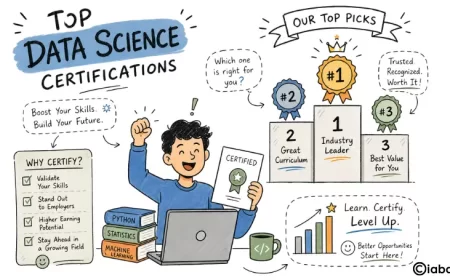
2. Gain Recognized Credentials: Courses such as Certified Data Scientist or Data Science Manager Certification are widely recognized and can increase your credibility in the job market.
3. Industry-Focused Knowledge: A course in data science teaches you practical tools and techniques used in real businesses, preparing you for the challenges you’ll face in the industry.
4. Specialize in a Field: You can choose a path that fits your career goals, such as Data Scientist in Finance or a Data Scientist in Marketing, making you a specialist in your chosen field.
5. Advance Your Career: Whether you’re just starting or aiming for a leadership role, certifications like Certified Data Science Manager or Certified MLOps Engineer can open doors to higher-level positions.
Benefits of Specializing with Certifications
Certified Data Scientist Operations
Great for professionals in logistics and supply chain, this certification teaches how to optimize processes with data.
- Certified Data Scientist HR: For those working in HR, this certification focuses on employee engagement and talent analytics using data.
- Certified Data Scientist Marketing: Helps marketing professionals use data to understand consumer behavior and improve marketing campaigns.
- Certified Data Scientist Finance: Ideal for finance professionals, this certification covers financial analysis, fraud detection, and risk management.
Who Should Take a Data Science Course?
A course in data science is perfect for:
- Beginners: Start with the Data Science Foundation Certification to get a strong introduction to the field.
- Intermediate Learners: Move to certifications like Data Science Developer Certification or Certified Data Engineer for a deeper focus on specific skills.
- Experienced Professionals: Advanced certifications like Data Science Certified Manager or Certified MLOps Engineer can help senior professionals lead teams and make strategic decisions.
Career Opportunities Course in Data Science
After completing a course in data science, graduates can pursue a variety of careers, such as:

- Data Scientist: Works with large amounts of data to find patterns and insights that help businesses make better decisions.
- Data Analyst: Focuses on interpreting data and creating reports to help guide business decisions.
- Machine Learning Engineer: Designs and builds machine learning models to automate tasks and make predictions.
- Data Engineer: Develops and manages systems that store and process large amounts of data.
- Quantitative Analyst: Uses mathematical models, often in finance, to help make data-driven decisions.
How to Choose the Right Data Science Certification?
When selecting a certification, consider these factors:
- Relevance: Make sure the certification fits your career goals (e.g., Certified Data Scientist Marketing for marketers).
- Recognition: Choose certifications from reputable organizations like IABAC.
- Practical Learning: Look for programs that offer hands-on projects and case studies.
- Specialization: Pick certifications that match your interests, such as Certified Data Scientist Finance or Certified MLOps Engineer.
- Support: Choose programs with career coaching and mentorship to help you succeed.
Career Opportunities with Data Science Certifications
A Data Science Certification can lead to many exciting roles, such as:
- Certified Data Scientist: Analyze data and create models to solve business problems.
- Certified Data Engineer: Design and maintain large-scale data systems.
- Certified MLOps Engineer: Oversee machine learning models in production.
- Certified Data Scientist Finance: Specialize in finance-related data analysis and risk management.
- Certified Data Scientist HR: Use data to improve workforce management and talent acquisition.
- Certified Data Scientist Marketing: Use data to drive marketing decisions and improve campaign effectiveness.
Choosing the Right Course in Data Science
When looking for a course in data science, it’s important to think about factors like the curriculum, whether the course is online or in-person, and the support you’ll get. Some courses are good for beginners, while others are more advanced and require prior knowledge of programming or math.
Taking a course in data science is a great way to start or advance your career in a growing field. Whether you're aiming for a foundational certification like Data Science Foundation Certification or a more advanced role such as Certified MLOps Engineer, these programs provide valuable skills and globally recognized credentials. Starting your journey in data science today can lead to exciting opportunities in various industries.