
























































Steps to become a data scientist
Learn the essential steps to become a data scientist. IABAC outlines the skills, education, and experience needed to succeed in this in-demand field.


Becoming a data scientist changed my career and gave me many new opportunities. When I first started learning about data science, I saw that it’s not only about numbers—it’s about solving real problems in the real world. One of the most important steps in my journey was getting data science certifications. These helped me feel more sure of myself and gave me the right skills to grow. As I kept learning, I saw how important it is to keep learning more in this field. Each certification, especially the one from IABAC, made me feel more trusted and confident as a data science professional.
Who Is a Data Scientist?
A data scientist works with numbers, tools, and systems to make sense of large amounts of information. The goal is to help companies make better choices using data.
What Data Scientists Do:
- Collect and clean data
- Find patterns and trends
- Create models to predict outcomes
- Show results using visuals and reports
- Work with teams across the company
A data scientist doesn’t just look at data—they help others make smart decisions using it.
Why Should You Become a Data Scientist?
Growing Job Market: Data science is one of the most wanted job roles around the world.
Good Salary: In 2025, data scientist salaries usually range between $80,000 to $150,000 or more, based on your role and experience.
Jobs in All Sectors: From banks to hospitals, from tech firms to retail, every field needs data scientists.
Career Growth: You can begin as a data analyst or junior data scientist and move toward roles like machine learning engineer or chief data officer.
10 Steps to Become a Data Scientist
Let’s look at a simple step-by-step guide to help you start and grow in this field.
Step 1: Learn What Data Science Is About
Start by understanding what data science means. It includes:
- Preparing data
- Analyzing numbers and trends
- Building machine learning models
- Explaining your results to others
Also, check different job titles like:
- Data Analyst
- Business Intelligence Analyst
- Machine Learning Engineer
- Data Engineer
- AI Specialist
Tip: Read job ads and talk to people in data roles to get an idea of what’s expected.
Step 2: Build Your Math and Stats Skills
Good knowledge of math and statistics helps you work with data better.
Focus on:
- Probability
- Hypothesis testing
- Descriptive and inferential statistics
- Linear algebra and basic calculus (important for machine learning)
You can learn these through online lessons or training linked to IABAC programs.
Step 3: Learn Programming (Start with Python and SQL)
Data scientists use programming to clean, analyze, and understand data.

Start with:
- Python: Learn libraries like Pandas, NumPy, Scikit-learn, Matplotlib
- SQL: Learn to work with databases
- Optional: R or Spark if needed later
Practice idea: Write small programs that pull, clean, and plot data.
Step 4: Learn to Clean and Show Data
Data is often messy. You need to clean and shape it before analysis.
Tools to use:
- Jupyter Notebooks (write and test code easily)
- Power BI or Tableau (create nice visuals)
- Excel (good for quick summaries)
Try this: Pick a public dataset and explain it using charts and summaries.
Step 5: Learn the Basics of Machine Learning
Machine learning helps systems make decisions from data.
Start learning:
- Supervised learning: linear regression, classification
- Unsupervised learning: clustering
- How to measure model performance (accuracy, F1 score, etc.)
Tools: Use Scikit-learn or try Google Colab for free practice.
Remember: Learn why each method works, not just how to use it.
Step 6: Do Real Projects
Practice matters. Try real examples where you solve problems using data.
Sample ideas:
- Group customers by habits
- Predict house prices
- Analyze tweets or reviews
- Spot fake transactions in bank data
Upload your work on GitHub and write a short post or summary about what you did.
Step 7: Get Certified to Prove Your Skills
To stand out to employers, get a certification that shows your knowledge.
Why IABAC?
- Offers global recognition
- Follows European standards (EQF, ECTS)
- Popular programs include:
- Certified Data Scientist
- Certified Business Analyst
- Certified AI Professional
- No expiry—once certified, it's for life
- Accepted by companies, universities, and learning platforms around the world
IABAC’s Certified Data Scientist program is built for people who want real skills and worldwide trust.
Learn more: IABAC Data Science Certifications
Step 8: Create a Portfolio and Resume
A strong portfolio shows what you can do.
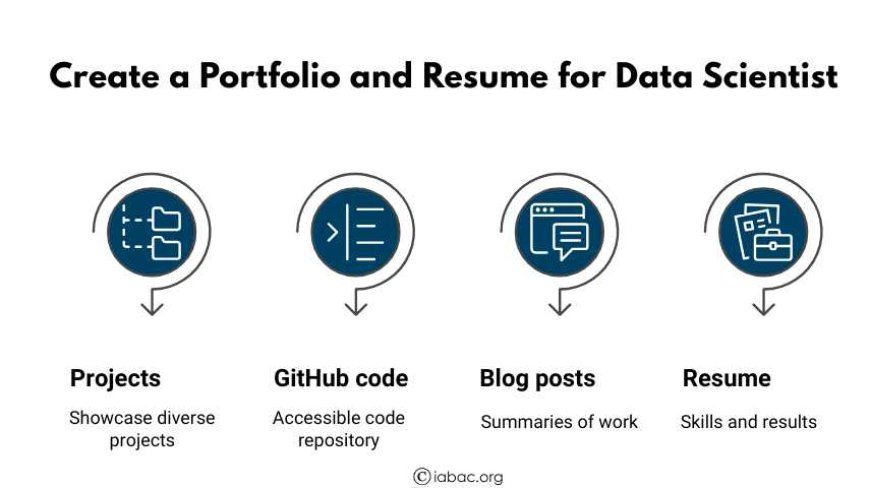
Include:
- 3–5 projects from different areas
- Code on GitHub
- Blog posts or summaries of your work
- A resume that lists tools, skills, and results clearly
Bonus: Make a simple personal webpage or use Notion to collect your work in one place.
Step 9: Apply for Internships or Starter Jobs
Once you have some projects and your certification, apply for beginner roles like:
- Data Analyst
- Junior Data Scientist
- BI Developer
- AI Intern
Use job sites, LinkedIn, and referrals. Get ready to answer questions and explain your work.
Step 10: Keep Learning and Practicing
This field keeps growing, so it’s important to keep your skills fresh.
What you can do:
- Sign up for IABAC updates and other learning emails
- Join online groups and forums
- Follow open-source projects
- Take part in IABAC webinars or short courses
Stay curious. Keep working on new data problems, and keep learning new tools.
Becoming a data scientist takes time, but it’s possible for anyone with the right steps.
Following this guide, working on real problems, and getting certified through IABAC will prepare you for a meaningful and rewarding career.
Start today. Join the IABAC Certified Data Scientist program and become part of a global group of professionals using data to make a difference. Get Certified Now