






















































The Future of Data Science in Marketing Analytics
Explore how data science is shaping the future of marketing analytics, driving better decision-making and personalized customer experiences.

Marketing is all about using data to make smart decisions. As someone who has seen how data science has become a key part of marketing, I can tell you that it's now crucial for figuring out the best ways to reach customers and understand their needs. But what does the future look like for data science in marketing? How will it continue to change and impact the way we do marketing?
Mastering Data Usage in Marketing
The challenge is that while we have more data than ever—like details on what customers buy, how they interact on social media, and much more—making sense of it all can be tough. It’s not just about having data but knowing how to use it effectively. Plus, as marketing becomes more data-focused, marketers need to be skilled in both understanding the data and using it to create successful strategies.
Looking ahead, what can we expect from data science in marketing? How will new technologies change the way we do marketing?
The future of data science in marketing analytics is both exciting and complex. Here’s a deeper look into how data science will continue to evolve and what we can expect in the coming years:
1. Enhanced Machine Learning and AI Capabilities
Machine learning (ML) and artificial intelligence (AI) are quickly becoming central to marketing analytics. These technologies are designed to analyze vast amounts of data quickly and accurately, offering predictive insights that were previously impossible to achieve. For example, AI algorithms can forecast future purchasing behaviors, helping marketers design highly targeted campaigns.
Shortly, machine learning models will become even more sophisticated, allowing us to predict customer trends with greater precision. AI will also automate many routine tasks, such as sorting and analyzing data, which will streamline our workflow and free up time for more strategic planning. However, we must stay updated on these technologies and understand how to implement them effectively in our marketing strategies.
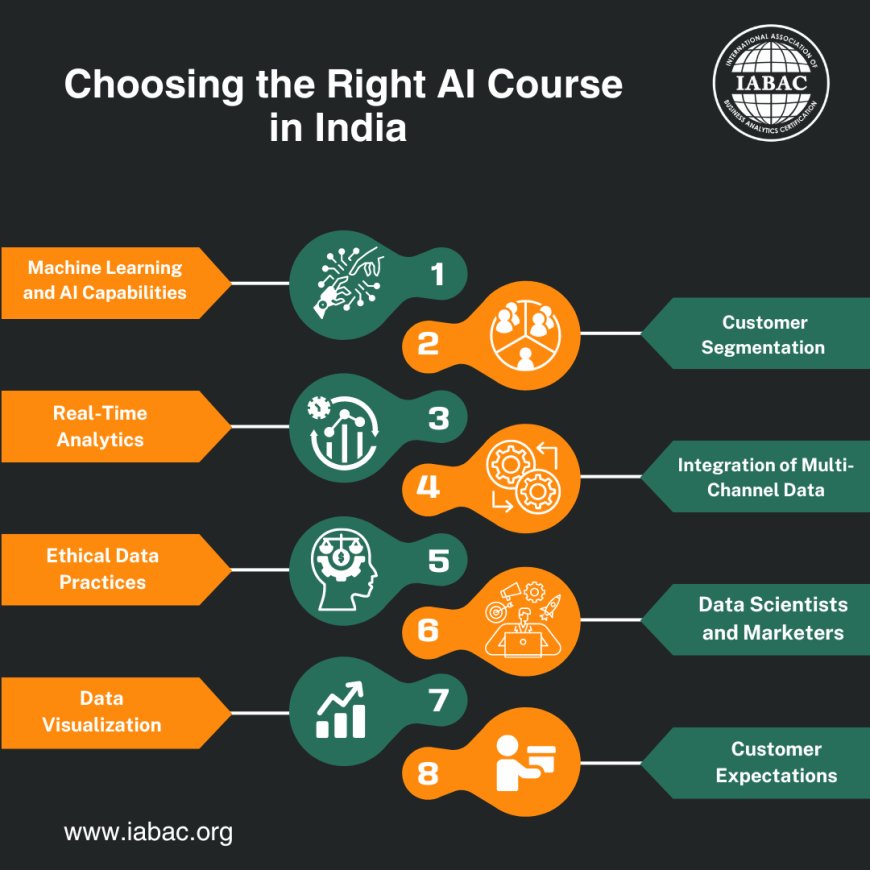
2. Advanced Customer Segmentation
Traditionally, customer segmentation was based on basic demographics like age or location. Today, data science enables us to segment customers in much more detail. We can now group customers based on their behaviors, preferences, and interactions with our brand. This detailed segmentation allows us to create highly personalized marketing messages and offers.
For instance, instead of targeting a broad group of customers with a generic offer, we can use data science to identify micro-segments with similar purchasing patterns. This approach helps us craft messages that are more relevant to each segment, leading to higher engagement and conversion rates.
3. Real-Time Analytics
In an age where immediacy is crucial, real-time analytics is becoming increasingly important. This capability allows us to monitor and analyze data as it is collected, enabling us to make quick adjustments to our marketing strategies. For example, if a social media campaign is underperforming, real-time analytics allows us to tweak the campaign on the fly to improve results.
The ability to respond quickly to emerging trends and customer behaviors gives us a competitive advantage. It ensures that our marketing strategies are always aligned with current conditions, enhancing their effectiveness and relevance.
4. Integration of Multi-Channel Data
Customers interact with brands across multiple channels—websites, social media, mobile apps, and physical stores. Integrating data from these various sources provides a comprehensive view of the customer journey. This holistic perspective allows us to understand how customers move between different touchpoints and how their interactions influence their behavior.
Advanced data integration tools will help us consolidate information from diverse channels into a single, unified view. This integration is crucial for developing cohesive marketing strategies that address the entire customer experience, from initial contact to final purchase.
5. Ethical Data Practices
As data science becomes more integral to marketing, ethical considerations are becoming increasingly important. Ensuring data privacy and responsible use of customer information is essential for building trust and maintaining compliance with regulations.
We must prioritize ethical practices, such as securing customer data, being transparent about how it is used, and obtaining consent before collecting personal information. By adopting these practices, we can foster positive relationships with our customers and demonstrate our commitment to responsible data handling.
6. Closer Collaboration Between Data Scientists and Marketers
The future of data science in marketing will involve greater collaboration between data scientists and marketing professionals. Data scientists bring technical expertise and analytical skills, while marketers provide insights into business goals and customer needs. Working together, we can translate complex data insights into actionable marketing strategies.
This collaboration will ensure that data-driven decisions are aligned with marketing objectives and result in effective campaigns. It also helps bridge the gap between technical data analysis and practical marketing applications, leading to more successful outcomes.
7. Advancements in Data Visualization
Effective data visualization is crucial for making complex data understandable and actionable. Future advancements in data visualization tools will enable us to create interactive dashboards and reports that present data clearly and engagingly.
Investing in data visualization skills and tools will enhance our ability to communicate insights to stakeholders and make informed decisions. Clear and compelling data visuals help us interpret trends, identify patterns, and convey findings more effectively.
8. Adapting to Changing Customer Expectations
As data science continues to advance, customer expectations will evolve as well. Consumers will increasingly expect personalized and relevant marketing experiences tailored to their preferences. To meet these expectations, we’ll need to leverage data science to continually refine our strategies and stay ahead of trends.
Understanding and anticipating customer needs will become even more important. By using data to deliver personalized experiences and timely offers, we can ensure that our marketing efforts remain effective and resonate with our audience.
The future of data science in marketing analytics holds immense potential. By embracing emerging technologies, adopting ethical practices, and fostering collaboration between data scientists and marketers, we can unlock new opportunities and drive impactful marketing strategies. As we navigate these changes, staying informed and adaptable will be key to leveraging the full potential of data science. I’m excited about the possibilities ahead and eager to continue exploring how data science will shape the future of marketing.