














































What are data science courses in Australia?
Understand what Data Science courses in Australia include. IABAC offers globally recognized training programs for various career levels and goals.


When I first started learning about data science, I was surprised by how many good data science courses in Australia are available. These courses are for different levels—whether you're just starting or already have some experience. Getting a Data Science Certification helped me build trust in the field. The courses gave me strong technical skills and helped me work on real projects. If you're considering a career in data science, the data science courses in Australia can give you the right support to grow and move forward.
What Are Data Science Courses in Australia?
Today, many companies need help from data professionals to make better decisions. Whether it's healthcare, finance, marketing, or tech, data plays a big role. Because of this, data science is becoming a strong career choice. If you're thinking about learning it, data science courses in Australia can be a great option.
But what do these courses teach? And how can they help you grow in your career?
Let’s break it down in a simple way.
Why Study Data Science in Australia?
Australia has a strong education system and is known for its focus on practical learning. If you're planning to start or grow your career in data, data science courses in Australia offer many helpful programs. You can choose from basic courses to advanced ones, depending on your current skills.
These courses often include:
- Working on real data problems
- Projects that match what companies need
- Learning with support from experts
- Training on safe and fair use of data and AI
Different Types of Data Science Courses in Australia
You can pick the kind of course that works best for your time, goals, and background.
1. University Courses: These are best for people who want deep knowledge and a strong qualification. Usually, these are 1 to 2-year programs like a Master’s or Graduate Diploma in Data Science, Data Analytics, or Artificial Intelligence.
2. Short Courses and Bootcamps: These are good for professionals who want to learn specific tools quickly, like Python, SQL, or Tableau. They are fast-paced, practical, and often include a project.
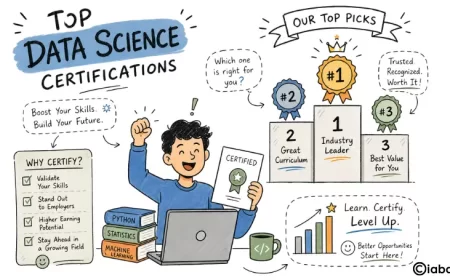
3. Certifications: Certifications help show your skills to employers. They are useful if you want proof that you know how to work with data in real situations.
Certification Options for Data Science Courses in Australia

- Certifications help you stand out when applying for jobs. Some examples of helpful certifications include:
- Certified Data Science Professional: Covers all key topics in data science like cleaning data, charts and graphs, using statistics, and building machine learning models.
- Certified Data Analyst: Best for those who want to focus on using data to create useful reports and make business decisions.
- Certified Business Analytics Professional: Great for people who want to use data to help companies make better choices.
- Certified Machine Learning Expert: Good for anyone who wants to learn how to use algorithms to make predictions using data.
- Certified Artificial Intelligence Expert: For those interested in working with smart technologies like speech recognition, image analysis, or computer programs that can learn.
These certifications show that you're serious about your career and ready to work on real-world problems.
So Many Choices, But No Clear Direction
Once I started searching for data science courses in Australia, I was flooded with options. There were full degrees, short courses, part-time online programs, and fast bootcamps. Some focused on coding, others on business or statistics. I didn’t know where to start. I wasn’t looking for just any course—I wanted one that made sense for my life and goals. I needed something flexible, useful for real jobs, and respected by employers. I also didn’t want to waste time or money on the wrong choice.
How Do You Choose the Right Data Science Course in Australia?
To make things simple, I asked myself a few important questions:
- Should I study full-time or part-time?
- Do I want a degree, a short course, or a certificate?
- Do I prefer hands-on learning or theory?
- What types of jobs are in demand?
I wanted to find data science courses in Australia that not only taught me the basics but also helped me build real skills that employers would notice.
What Worked for Me and What I Chose
Step 1: I Grouped the Course Types
I broke them into four groups to understand my options:
- Master’s in Data Science – A long and deep study path, good for full-time learners.
- Graduate Certificates and Diplomas – Great for working professionals wanting to switch careers.
- Bootcamps and Short Courses – Fast and focused for people who want practical skills.
- Online Courses with Certificates – Flexible and good for people with a busy schedule.
Step 2: I Compared the Courses That Made Sense
Graduate Certificate in Data Science
This was the option I liked the most. It was shorter than a master’s program but still had a strong structure. These courses usually included:
- Python or R programming
- Making charts and dashboards
- Basic machine learning
- Real-life data projects
- Case studies from business problems
And most importantly, they came with real Data Science Certifications that could help with future jobs or further studies.
Master of Data Science
This is a good choice for someone ready to study full-time. These programs covered:
- Working with big data
- Advanced machine learning
- Business use of data
- Long-term projects and research
- Ethics and privacy
Some even had work experience included, which is always a plus.
Bootcamps and Short Courses
Bootcamps are quick and full of action. Some of my friends took this route and started working soon after. These programs are helpful for people who already know a bit of coding or want to switch quickly into tech or data jobs.
What It Was Like to Study Data Science in Australia
I ended up choosing a Graduate Certificate in Data Science. For me, it was the right fit. I could keep working and studying at the same time. The course had clear lessons and real projects that helped me learn faster.
I worked on projects using real data from industries, made dashboards, and built simple models that could answer real business problems. It felt good to build things and see results.
I even started writing about my learning online—sharing what I did, how I did it, and what tools I used. It helped me build confidence and a small portfolio for future jobs.
At the end of the course, I had a Data Science Certification that I felt proud of, and I knew how to use it.
Why I Think Australia Is a Good Place to Study Data Science
Here’s why I think data science courses in Australia are a great choice:
- Quality Education: Australian universities are trusted around the world. The programs are based on real-world needs and strong academic knowledge.
- Learning with Industry Support: Many courses include chances to work on real projects with companies. This helps students understand what working in data is really like.
- Certificates That Matter: Whether you study in person or online, the certificates are well-known. Employers take them seriously.
- Friendly and Supportive Community: As someone who came from a different background, I felt welcomed. Whether online or offline, I could always find help and advice when I needed it.
What Changed for Me After Studying Data Science
Here’s what happened after I finished my course:
- New Job: I moved from marketing into a role focused on data.
- Better Pay: I started earning more than I did before.
- Ongoing Learning: I kept learning, including deep learning and AI basics.
- New Network: I met people working in data who gave me advice and support.
- More Confidence: I now feel comfortable working with data and solving problems.
Should You Study Data Science in Australia?
Yes, I think you should consider it. If you’re interested in data, enjoy solving problems, and want to grow your career, data science courses in Australia are worth looking into. They offer useful learning, respected certifications, and a chance to grow in a field that’s full of opportunity. I started with curiosity, and now I’m working in a career I truly enjoy. You don’t need to come from a tech background. You just need to start.