
















































What Is the Best AI Certification for Jobs
Top AI certifications for jobs include Google, AWS, and Azure programs that build skills in machine learning, cloud AI, and real-world deployment.

Artificial Intelligence (AI) is no longer just a future concept. It is already transforming industries such as healthcare, finance, retail, education, manufacturing, logistics, and cybersecurity. Companies are using AI to automate processes, improve customer experience, detect fraud, predict trends, and increase profits.
As demand grows, students and working professionals are asking an important question:
What is the Best AI Certification for Jobs?
The answer depends on your background, career goals, and technical level. In this detailed guide, we will explore:
- What an AI Certification is
- How to choose the Best AI Certification
- Different types of AI Certification Jobs
- Skills required for AI roles
- Salary expectations in India
- How Artificial Intelligence Certification improves employability
- Why structured global certifications matter
This guide will help students make informed career decisions.
Why AI Skills Are in High Demand
AI is now part of everyday business operations. Companies use AI for:
- Chatbots and virtual assistants
- Recommendation systems
- Fraud detection
- Predictive analytics
- Image and speech recognition
- Automation and robotics
Because of this, professionals with Artificial Intelligence Certification are highly valued. Employers are willing to pay higher salaries to candidates who can build and deploy AI solutions.
In India, AI engineers often earn between ₹6–15 LPA at entry to mid-level positions. With experience and specialization, salaries increase significantly.
What Is an AI Certification?
An AI Certification is a structured program that validates your knowledge in artificial intelligence concepts, tools, and practical applications.
It typically covers:
- Machine Learning fundamentals
- Deep Learning basics
- Neural Networks
- Natural Language Processing (NLP)
- Computer Vision
- Model evaluation techniques
- AI deployment strategies
- Cloud-based AI services
An Artificial Intelligence Certification helps demonstrate that you can apply AI concepts in real-world business environments.
What Makes the Best AI Certification?
The Best AI Certification should include the following features:
1. Industry-Relevant Curriculum: The course must teach practical tools used in real projects.
2. Hands-On Projects: Students should build models, train algorithms, and work on case studies.
3. Global Recognition: A recognized certification increases employer trust.
4. Skill-Based Evaluation: Assessments should test practical understanding, not just theory.
5. Career Alignment: The certification should match your career path — technical, managerial, or strategic.
Continue reading to understand which certification suits your level.
Best AI Certification Based on Career Level
Not all learners have the same background. Some are beginners. Some are software developers. Others are business leaders.
Let’s break it down clearly.
1. Best AI Certification for Beginners
For students starting from zero technical background, the focus should be:
- Understanding basic AI concepts
- Learning simple automation tools
- Understanding real-life AI use cases
A beginner-level Artificial Intelligence Certification helps build foundational knowledge before moving into technical roles.
Topics usually include:
- What is AI?
- Difference between AI, ML, and Deep Learning
- Real-world AI applications
- Basic data handling
This stage builds confidence and clarity.
2. Best AI Certification for Technical Roles
Students with programming knowledge (Python, mathematics, statistics) can aim for advanced programs.
These certifications focus on:
- Building machine learning models
- Neural network architectures
- Model training and evaluation
- Deployment of AI solutions
- Cloud-based AI tools
These certifications prepare candidates for AI Certification Jobs such as:
- AI Engineer
- Machine Learning Engineer
- Deep Learning Specialist
- NLP Engineer
- Computer Vision Engineer
Technical certifications require strong understanding of mathematics.
Mathematical Foundations in AI
AI systems are built using mathematics. Let’s look at simple examples.
1. Matrix Representation
In machine learning, data is stored in a matrix format:
X =
[ x11 x12 x13
x21 x22 x23
x31 x32 x33 ]
- Each row represents one data record
- Each column represents one feature
Matrix multiplication is used when training models.
2. Linear Regression Formula
A simple prediction model:
Y = mX + b
Where:
- m = slope
- b = intercept
This formula predicts output values from input data.
3. Neural Network Formula
Z = WX + b
Where:
- W = weights
- X = input
- b = bias
This is the basic formula used in deep learning systems.
A strong Artificial Intelligence Certification explains these concepts clearly and includes practice exercises.
Best AI Certification for Business Leaders
Not everyone wants to code. Some professionals want to use AI for:
- Strategic planning
- Digital transformation
- Process automation
- AI-driven marketing
For business leaders, certifications focus on:
- AI strategy
- Ethical AI
- Data governance
- ROI measurement
- AI project implementation
These certifications prepare professionals for leadership roles in AI adoption.
Best AI Certification for Cloud-Based Roles
Many companies deploy AI solutions on cloud platforms.
Cloud-focused AI Certification programs teach:
- AI model deployment
- Cloud AI services
- API integration
- Scalable machine learning pipelines
These certifications are ideal for:
- Cloud Engineers
- AI Deployment Specialists
- Technical Sales Professionals
- Product Managers
Cloud AI skills are highly valued in AI Certification Jobs.
AI Certification Jobs in 2026
The demand for AI professionals continues to increase across sectors.
Here are common job roles:
|
Job Role |
Average Salary (India) |
|
AI Engineer |
₹6–15 LPA |
|
Machine Learning Engineer |
₹8–18 LPA |
|
Data Scientist |
₹7–20 LPA |
|
AI Consultant |
₹10–25 LPA |
|
AI Product Manager |
₹12–30 LPA |
Salary depends on:
- Experience
- Technical skill level
- Industry
- Certification credibility
Professionals with recognized Artificial Intelligence Certification often earn higher salaries.
Why Employers Prefer Certified Professionals
Companies prefer candidates with AI Certification because:
- It proves structured learning
- It validates technical knowledge
- It reduces training cost
- It builds employer confidence
- It ensures practical exposure
Certification adds credibility to your resume.
Cost and Duration of AI Certifications
AI certifications vary in cost and duration.
Typical structure:
- Short-term beginner programs: 1–2 months
- Intermediate technical programs: 3–6 months
- Advanced professional certifications: 6+ months
Exam fees usually range from moderate to premium depending on certification level.
Students should choose based on career goals and budget.
How to Choose the Best AI Certification
Follow this step-by-step guide:
Step 1: Identify Your Goal: Do you want to become an AI Engineer, Data Scientist, or Business Leader?
Step 2: Check Your Background: Do you know programming? Mathematics? Statistics?
Step 3: Evaluate Course Content: Does it include real projects and practical exercises?
Step 4: Verify Recognition: Is the Artificial Intelligence Certification globally recognized?
Step 5: Review Assessment Method: Does the exam test real-world knowledge?
Choosing carefully increases career impact.
Skills Required for AI Certification Jobs
Technical Skills:
- Python programming
- Linear algebra
- Probability and statistics
- Data preprocessing
- Model evaluation
- Deep learning frameworks
Soft Skills:
- Logical thinking
- Analytical mindset
- Communication skills
- Business understanding
- Problem-solving
Both are equally important.
AI Learning Roadmap
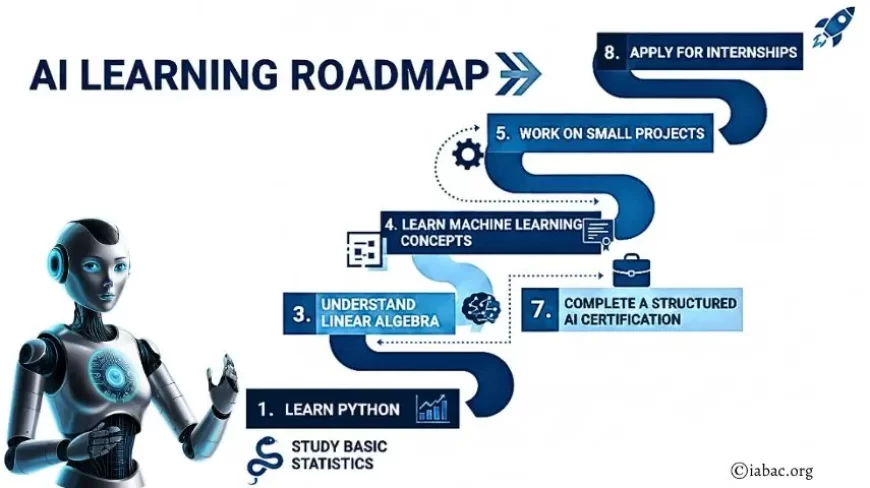
Here is a structured roadmap:
- Learn Python
- Study basic statistics
- Understand linear algebra
- Learn machine learning concepts
- Work on small projects
- Complete a structured AI Certification
- Build a portfolio
- Apply for internships
Consistent practice builds expertise.
Future of Artificial Intelligence Certification
AI adoption will continue to increase across industries. Businesses require professionals who can:
- Build intelligent systems
- Automate operations
- Improve customer experience
- Predict market trends
- Manage AI risk and compliance
The Best AI Certification in 2026 and beyond will be one that combines:
- Technical knowledge
- Real-world projects
- Ethical AI understanding
- Cloud deployment skills
Professionals who invest in Artificial Intelligence Certification today will have strong career opportunities in the coming years.
AI is transforming how companies operate. From automation to predictive analytics, organizations rely heavily on intelligent systems. Choosing the Best AI Certification depends on your career goal and technical background. Whether you aim for engineering roles, business leadership, or cloud deployment, a structured AI Certification helps build credibility and job readiness.
AI Certification Jobs are among the most promising career options today, offering strong salary growth and long-term stability. Students who build strong mathematical foundations, practice regularly, and earn recognized Artificial Intelligence Certification will stand out in the competitive job market. The right certification can become the foundation of a successful and rewarding AI career.