











































Who Can Do Data Science Course
Learn who can do a Data Science Course, including eligibility, skills required, and career opportunities for beginners and professionals.


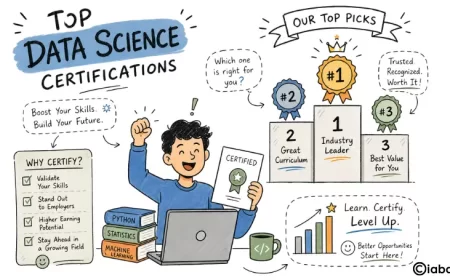
When I first looked into data science, I had one big question: Can I do this? The answer was a pleasant surprise. A data science course isn’t just for tech experts or math whizzes—it’s for anyone curious about working with data, solving problems, and being creative. You can find your place in this field whether you come from IT, business, healthcare, or even the arts. Earning Data Science Certifications helped me build practical skills and gain credibility. I’ve seen people from marketing, engineering, and even the arts make the switch successfully. It’s all about having the right attitude, being patient, and staying open to learning. Are you ready to give it a try?
Who Can Take a Data Science Course?
The great news is that data science is an area that welcomes people from all backgrounds. You don't have to have a specific degree or professional background to start learning. Here’s what you need to know about eligibility:

-
Educational Background: Generally, a bachelor’s degree in any field is good enough to get started. While a background in computer science, math, statistics, or engineering can be helpful, anyone can join a data science course if they're ready to learn more about programming and statistics.
-
Basic Understanding of Math and Statistics: Knowing some basic math and statistics is important. Concepts like probability, algebra, and statistical analysis are the foundation of data science and are essential for analyzing data and building models.
-
Programming Skills: It helps if you can program in languages like Python, R, or SQL. Many data science courses teach these languages from the ground up, so even if you're a beginner, you can still succeed.
-
Analytical and Problem-Solving Skills: Data science is all about looking at large amounts of data, finding patterns, and making sense of it. Being good at analyzing information and solving problems is a big part of the job.
-
Business Knowledge: It’s useful to understand how data science fits into different industries like finance, healthcare, retail, and tech. This knowledge helps you use data more effectively to improve business decisions.
-
Interest in Using Data for Decisions: If you enjoy working with numbers, finding patterns, and using data to make decisions, a data science course could be perfect for you.
Who Can Benefit from a Data Science Course?
A data science course is useful for many types of people:
-
Students and Graduates: Those who want to start their careers in data science and learn the basics of analytics, programming, and statistics.
-
Working Professionals: People who already work in IT, engineering, or analysis and want to upgrade their skills to move into data science roles.
-
Business and Marketing Professionals: Those who want to use data to improve their strategies and make smarter decisions for their businesses.
-
Entrepreneurs and Startup Owners: Business owners who want to use data to help their businesses grow and succeed.
-
Academics and Researchers: People who want to add data analysis and machine learning skills to their research.
Why Choose IABAC for Data Science Certifications?
For those looking to get a recognized certification, IABAC (International Association for Business Analytics Certification) offers data science certifications that are recognized worldwide. These certifications show that you have the skills and knowledge needed to work in data science and can help you stand out in a competitive job market.
About This Data Science Course
The ability to work with and understand data is extremely valuable. This Data Science course is designed to teach you the basic skills you need to succeed in this growing field. Whether you're just starting or want to improve your current skills, this course gives you a solid introduction to data science, with hands-on experience in real-life situations.
What You Will Learn
-
Data Analysis – Learn how to gather, clean, and analyze data to find useful insights.
-
Machine Learning – Understand how to build predictive models and create smart algorithms.
-
Statistics – Learn key statistical methods that help in making data-driven choices.
-
Python Programming – Become skilled in Python, the most common programming language used in data science.
-
Data Visualization – Learn how to display data clearly with charts, graphs, and dashboards.
Practical Learning
This course focuses on real-world learning. You'll work with real data sets and projects to solve problems, build machine-learning models, and create data visualizations. By the end of the course, you’ll have a collection of projects to show your skills in solving data problems.
Why Take This Data Science Course?
-
Build a solid understanding of data science concepts
-
Gain practical experience through projects
-
Learn from experienced instructors and industry professionals
-
Improve your career opportunities in a fast-growing field
Ready to start your journey in data science? Sign up now and take the first step toward earning Data Science Certifications!
What Kind of Projects Will I Work on in the Data Science Course?
When you join a Data Science course, you’ll get hands-on experience by working on real-world projects that will help you understand and apply the concepts you learn. Here are some of the projects you might work on during your studies:
-
Predictive Analytics Models
You’ll build machine learning models to predict things like customer churn or sales trends, which helps businesses plan. -
Sentiment Analysis
You’ll analyze text data from social media or product reviews to figure out how people feel about a topic, using techniques from natural language processing (NLP). -
Recommendation Systems
You’ll create systems that suggest products or services to users, like the ones used by e-commerce sites or streaming services. -
Fraud Detection
You’ll develop models that can spot unusual or fraudulent activity in transactions, especially in areas like banking or online shopping. -
Healthcare Analytics
You’ll work with medical data to predict things like disease outbreaks, patient readmissions, or ways to improve treatments. -
Financial Data Analysis
You’ll analyze financial data to assess risks, track market trends, or predict stock prices.
These types of projects will help you build practical skills in Data Science, Data Science Certifications, machine learning, and data analysis. They will prepare you for a successful career in this field by giving you the experience you need to handle real-life challenges in various industries.