



















































AI Questions for Students
Studying AI? Here are smart questions to ask—whether you're prepping for exams, interviews, or just building your understanding of the field.


Artificial Intelligence (AI) is changing many industries worldwide, making it important for students to learn about it. The fast changes in AI technology have raised key questions about its effects on education, jobs, and society. As AI becomes part of daily life, students are encouraged to think critically about how it is used, its benefits, and the ethical issues it raises. Including AI questions in student discussions and lessons helps deepen their understanding of this growing field. AI questions are essential for sparking curiosity and encouraging students to think about how AI is affecting different industries, from healthcare to finance and entertainment. By engaging with these questions, students can improve their problem-solving and critical-thinking skills while gaining a broader view of how technology influences the future. These questions can cover basic AI concepts and algorithms, as well as important ethical issues like privacy concerns and job displacement.
This introduction to AI questions for students aims to inspire meaningful discussions, promote analytical thinking, and prepare learners for a future where AI will play a big role in their personal and professional lives.
Key AI Questions Students Should Explore for Career Growth
Artificial Intelligence (AI) is no longer just a futuristic concept; it’s actively shaping industries, healthcare, education, and everyday life. For students eager to learn about AI, knowing the right questions to ask is key. These questions can help guide your studies and lead to exciting opportunities. Below are important AI questions students should explore, along with simple answers to help them understand this powerful technology.
1. What is Artificial Intelligence (AI)?
Answer: AI refers to machines or software that can do tasks that usually need human intelligence, like problem-solving, decision-making, or recognizing images and language.
Example: When you ask Siri or Alexa, they use AI to understand and answer you. AI systems can learn from data, adapt, and over time.
2. How is Machine Learning Different from AI?
Answer: Machine learning is a part of AI. While AI covers all intelligent machine tasks, machine learning focuses on how machines improve by learning from data and experience without needing step-by-step programming.
Example: If you show a machine learning model thousands of images of cats, it will learn to recognize cats on its own in new images without specific instructions.
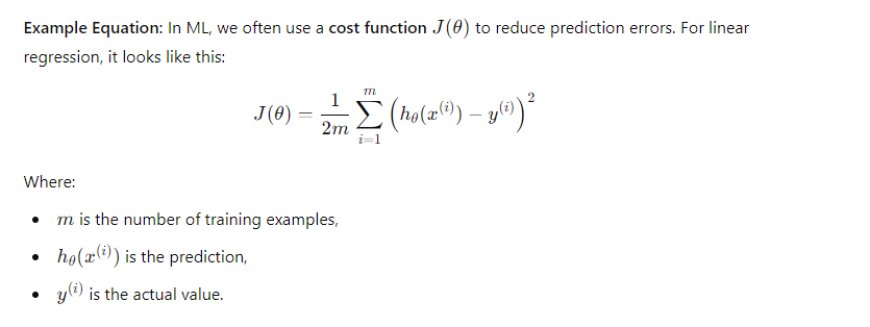
3. What Are Neural Networks?
Answer: Neural networks are algorithms inspired by the human brain and are used to find patterns. They are important for deep learning, which is a more advanced part of machine learning.
Example: Neural networks are used in facial recognition technology. For example, Facebook can suggest friends' names when you upload a photo by recognizing patterns from past tagged images.
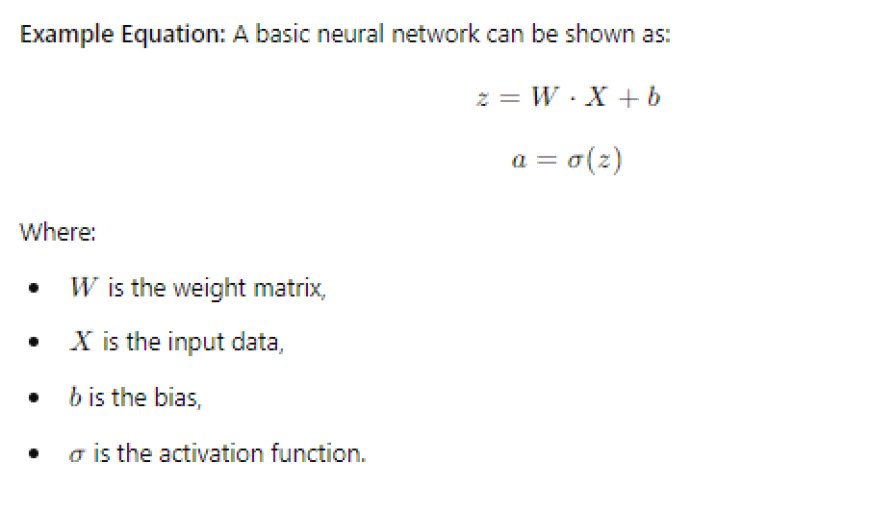
4. What Ethical Concerns Are There in AI?
Answer: AI brings up important ethical issues like bias in algorithms, privacy problems, job loss, and figuring out who is responsible for AI decisions. These concerns need careful attention as AI grows in use.
Example: If an AI used for hiring decisions favors certain groups based on biased data, it could unfairly harm qualified candidates. Building fair AI means using unbiased and diverse data for training.
5. How Is AI Used in Education?
Answer: AI can make learning more personalized, giving students feedback based on their needs. It can also take care of repetitive tasks like grading, letting teachers focus more on teaching.
Example: Apps like Duolingo use AI to adjust lessons depending on how well you’re doing, helping you focus on areas where you need more practice. This makes learning faster and more efficient.
6. What Is Natural Language Processing (NLP) and Why Is It Important?
Answer: NLP is a branch of AI that helps machines understand and interact with human language. It allows computers to read, understand, and reply in human language.
Example: Chatbots used in customer service rely on NLP to understand and answer your questions, helping you get the information you need quickly.
7. How Is AI Used in Healthcare?
Answer: AI is changing healthcare by helping with diagnoses, creating personalized treatment plans, and speeding up drug discovery. AI can analyze medical data faster and more accurately than before.
Example: AI systems can look at medical images like X-rays to spot early signs of diseases such as cancer, helping doctors make better, quicker decisions.
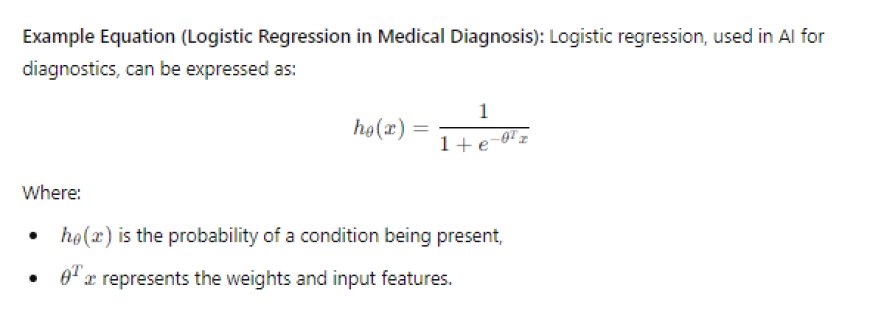
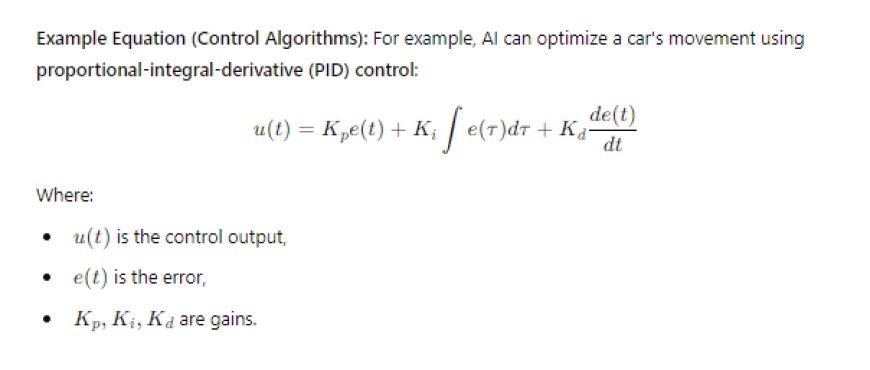
8. What Role Does AI Play in Autonomous Vehicles?
Answer: AI is key to self-driving cars, allowing them to understand sensor data, predict traffic, and make real-time decisions. These cars can navigate without a human driver thanks to AI.
Example: Tesla’s autopilot uses AI to recognize lanes, traffic signs, pedestrians, and other vehicles, adjusting speed and steering to drive the car safely.
9. How Does AI Impact Job Markets?
Answer: AI is changing the job market by automating repetitive tasks and creating new jobs in AI-related fields. However, it also poses challenges, as some jobs may be replaced by automation.
Example: In finance, AI can handle tasks like data entry, fraud detection, and financial predictions, but it also creates jobs for managing AI systems, data analysis, and ensuring ethical AI use.
10. What Skills Do You Need for a Career in AI?
Answer: To work in AI, important skills include programming (Python, R), data analysis, machine learning, and deep learning. Being familiar with AI tools and thinking critically about ethical issues also helps.
Example: Learning Python is essential for developing AI models, as it’s widely used with AI frameworks like TensorFlow and PyTorch. Problem-solving skills are also useful when fixing AI-related issues.

AI is a powerful and fast-growing field with great potential. For students, asking the right questions and learning the basics of AI will help build a solid understanding of how AI works and its wide-ranging impact. Exploring the ethics, applications, and tools of AI will prepare you for exciting careers in this field. With certifications like Data Analytics Certification or the Best Data Analytics Certification, students can boost their skills and stand out in the AI job market.