


















































Application of Data Science in Marketing
Learn how data science is used in marketing to analyze trends, predict customer behavior, improve campaigns, and drive business growth.

What is Data Science?
Data Science is about analyzing and understanding data to gain meaningful insights. By using methods like statistics, machine learning, and data visualization, businesses can make smarter decisions. In marketing, Data Science takes raw data and turns it into useful strategies. It helps marketers focus on real insights instead of guesswork, making it easier to connect with the right audience.
Why Use Data Science in Marketing?
Traditional marketing often relied on broad strategies that didn’t always hit the mark. With Data Science, marketers can:
- Understand Customers: Learn why people make certain choices.
- Target Specific Groups: Create personalized messages for different customer types.
- Improve Campaigns: Use data to tweak campaigns for better results.
- Predict Trends: Stay ahead of customer preferences and market changes.
This makes marketing more effective and meaningful.
What is the use of data science in marketing?
The application of Data Science has changed how marketing works by helping businesses make better decisions and connect with customers in smarter ways. By studying customer behavior, likes, and trends, marketers can group people into segments and send them messages that matter to them. Using predictive analytics, marketers can guess what customers need and spend their budgets more wisely. Tools like machine learning improve where ads show up and make campaigns more effective. Data science also helps track performance, understand customer opinions, and make quick changes to improve results.
From understanding customers better to fine-tuning campaigns, the Application of Data Science helps create marketing strategies that work better, boost profits, and build customer loyalty.
Applications of Data Science in Marketing

1. Customer Segmentation
Breaking your audience into smaller groups helps you market more effectively. Data Science uses methods like:
- Clustering Algorithms to group customers by shared traits.
- Behavioral Patterns to see how people interact with your business.
This leads to personalized marketing that connects better with customers.
2. Predictive Analytics
Using past data, predictive tools can:
- Recommend Products: Suggest items a customer might like.
- Prevent Customer Loss: Spot customers who may leave and create offers to keep them.
- Forecast Sales: Help plan inventory and budgets.
For example, online stores use predictive analytics to recommend products based on browsing history.
3. Personalized Marketing
Customers expect content tailored to them. Data Science helps by:
- Customizing email campaigns based on customer interests.
- Showing real-time recommendations while users browse.
- Adapting website content to match user preferences.
This personal touch increases satisfaction and loyalty.
4. Sentiment Analysis
Understanding customer opinions is key. By analyzing reviews, social media posts, or feedback, businesses can:
- Identify issues quickly.
- Improve customer satisfaction.
- Strengthen relationships with customers.
5. Campaign Analysis
Data Science tools measure what’s working in a campaign by:
- Attribution Modeling to find out which channels work best.
- A/B Testing to compare different ideas.
- ROI Tracking to ensure money is spent wisely.
This helps focus on what’s delivering real value.
6. Customer Lifetime Value (CLV)
CLV shows how much revenue a customer brings over time. Data Science calculates CLV by studying:
- Buying habits.
- Average spending.
- Retention patterns.
This helps businesses focus on their most valuable customers.
7. Pricing Strategies
Using data, companies can:
- Analyze how price changes affect demand.
- Track competitor prices.
- Use dynamic pricing to adjust rates in real time, like travel websites often do.
8. Ad Targeting
Better data means better ads. Data Science improves ad targeting by:
- Finding the most responsive audiences.
- Choosing the best platforms.
- Automating ad placement for maximum results.
Benefits of Data Science in Marketing
- Smarter Decisions: Data replaces guesswork with facts.
- Saves Time: Automating tasks lets teams focus on bigger goals.
- Better Customer Experiences: Personalization builds trust and loyalty.
- Higher Profits: Spending resources where they work best leads to better returns.
How to Get Started with Data Science in Marketing
If you’re new, follow these steps:
- Learn the basics of Data Science and marketing metrics like ROI and conversion rates.
- Try beginner-friendly tools like Excel, Google Analytics, or Python.
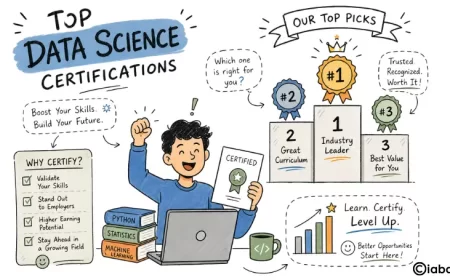
- Keep learning through courses or certifications, such as those from IABAC for marketing analytics.
Applications of Data Science in Marketing
Data science is changing the way marketing works by helping make smarter decisions, creating personalized customer experiences, and improving marketing campaigns. Certifications like Data Science Foundation Certification, Certified Data Scientist Marketing, and Machine Learning Expert Certification provide the skills needed to use data science effectively.
Key Applications:
- Customer Segmentation: Group customers based on data to run more targeted and personalized campaigns.
- Predictive Analytics: Predict customer behavior, identify those likely to leave, and improve sales strategies.
- Personalization: Offer tailored recommendations and customized content to boost customer engagement.
- Campaign Optimization: Test different strategies and analyze results to get the best marketing performance.
- Social Media Insights: Understand customer sentiment and improve messaging to protect and grow your brand.
- Customer Lifetime Value (CLV) Prediction: Find and retain your best customers for long-term growth.
- Pricing Strategies: Use data to set flexible pricing and evaluate the success of discounts and promotions.
- Customer Journey Mapping: Analyze how customers interact with your brand to improve their overall experience.
- Ad Targeting: Use tools like programmatic advertising for more accurate and effective ad placements.
- Competitor Analysis: Compare performance metrics and find new opportunities in the market.
Additional certifications like Certified MLOps Engineer, Certified Data Scientist HR, and Certified Data Engineer also help professionals build the skills needed to use data science in marketing effectively.
The Application of Data Science in marketing is now essential for businesses aiming to stay competitive. It helps understand customers, refine campaigns, and make smarter choices. While starting may feel overwhelming, with the right tools and resources, anyone can use Data Science to improve their marketing strategies.