

























































Benefits of Data Science for Managers
Learn how data science empowers managers to make smarter decisions, increase efficiency, and stay ahead in today’s business world


When I started learning about Data Science, I understood how helpful specialized courses can be. Since I was in Mumbai, I explored several Data Science Courses in Mumbai, and they gave me a good mix of practical learning and industry-focused knowledge. The classes helped me understand important topics like machine learning, data visualization, and analytics in a simple way.
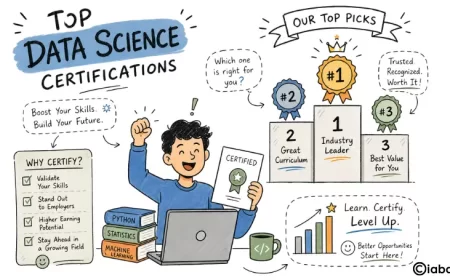
The learning experience also improved my confidence in solving real business problems using data. I was able to understand how companies use Data Science in different industries and how skills like reporting, automation, and analytics are used in real projects. The Data Science Certifications I earned helped strengthen my knowledge and added value to my career growth. Programs related to Data Science Foundation and even concepts useful for Data science for managers gave me a better understanding of both technical and business sides of data science.
What is Data Science for Managers
Data Science for Managers is crucial for making smart business decisions and driving growth. It helps managers use data effectively to gain a competitive edge.
Key Aspects of Data Science for Managers:
- Understanding Data Basics: Learn about different types of data, basic statistics, and how to visualize data to make better decisions.
- Using Analytics Tools: Get to know tools like Python, R, and Tableau to work well with technical teams and understand what they can do.
- Making Data-Driven Decisions: Use data insights to improve business operations, enhance customer experiences, and spot new opportunities.
- Communicating Insights Clearly: Share data findings in a simple and clear way so that others can easily understand and act on them.
Formula for Success:
Business Value=(Data Quality×Analytical Skill)+Decision-Making Insight
By focusing on these aspects, managers can use Data Science for Managers to effectively guide their organizations and achieve their goals.
Data Science for Managers is about giving managers the skills and knowledge to use data science effectively. There are various certifications in this field, each serving different needs. For example:
- Data Science Foundation Certification: Offers basic knowledge of data science principles.
- Data Science Developer Certification and Certified Data Scientist: Focus on advanced techniques and tools.
- Certified Data Scientist Operations and Certified Data Scientist Finance: Tailored to specific industries, like operations and finance.
Understanding these certifications helps managers make better choices about data science projects in their companies. For instance:
- Certified MLOps Engineer: Specializes in integrating machine learning into everyday operations, ensuring data projects run smoothly.
- Certified Data Engineer: Concentrates on data management infrastructure.
Other certifications, such as Certified Data Scientist HR and Certified Data Scientist Marketing, show how data science can improve areas like human resources and marketing. By investing in these certifications, managers can enhance their own skills and help their teams handle complex data science tasks.

Complications Arising from Misunderstanding the Role of Data Science for Managers
When managers don’t fully understand how Data Science for Managers fits into their decision-making process, it can lead to several problems. If managers don’t grasp the value of data science, they might not use it effectively or might spend money and time unwisely. This often results in unclear goals and ineffective data projects. Miscommunication between data scientists and managers can delay projects and lower the return on investment (ROI). Also, without strong support, data science projects may struggle, affecting the overall success of the business.
- Underestimating Data Science: Leads to missed opportunities and undervalued insights.
- Misaligned Goals: Results in unclear objectives and ineffective strategies.
- Resource Misallocation: Causes wasted time and budget.
- Ineffective Collaboration: Hinders project success and ROI.
- Lack of Support: Impedes data science initiatives and impacts business outcomes.
How Data Science Changes Decision-Making
Making well-informed decisions is more important than ever. Data science is reshaping how decisions are made in many fields. By turning raw data into useful information, data science helps organizations make better choices and achieve better results. Here’s how data science is improving decision-making:
Better Decision-Making Capabilities
1. Precision and Accuracy: Data science helps professionals analyze large amounts of data accurately. Certifications like Data Science Foundation Certification and Data Science Developer Certification teach these skills. Using these methods, decision-makers can reduce uncertainty and make more precise predictions based on data trends and patterns.
2. Detailed Insights: Certified Data Scientists, including those with certifications like Certified Data Scientist Operations or Certified Data Scientist Marketing, can pull valuable insights from complex data. These insights help organizations understand customer behavior, market trends, and how well operations are running, leading to smarter decisions.
3. Predictive Analytics: Machine learning, a key part of data science, helps predict future trends using past data. Certifications like Machine Learning Expert Certification and Certified MLOps Engineer focus on advanced predictive techniques. This allows businesses to anticipate market changes, customer needs, and potential risks before they occur.
4. Personalized Strategies: Data science helps create strategies tailored to specific groups or needs. For example, a Certified Data Scientist HR can analyze employee data to improve hiring and job satisfaction, while a Certified Data Scientist Finance can enhance financial strategies and manage risks better.
5. Efficiency and Automation: Data science can automate routine tasks, making operations more efficient. Roles like Data Science Certified Manager help organizations streamline processes, cut down on human errors, and use resources more effectively. This leads to quicker decision-making and better productivity.
Data Science for Managers
For managers, knowing how to use data science is crucial. Data Science for Managers programs provide insights on how to incorporate data-driven decision-making into management. These programs highlight how data science can help in crafting business strategies, improving performance, and reaching company goals.
Data Science Boosts Managerial Effectiveness
Data science is changing how managers work by providing useful insights and improving decision-making. Here’s how:
- Better Decisions: Data science gives managers up-to-date and accurate information, leading to smarter decisions.
- Improving Performance: By analyzing data, managers can track key metrics and refine strategies to enhance performance.
- Predicting Trends: Forecasting future trends helps managers plan ahead and stay ahead of competitors.
- Clear Communication: Data visualization makes complex information easier to understand, improving communication.
- Efficient Resource Use: Data helps managers use resources more effectively, making operations more efficient.
- Understanding Customers: Analyzing customer behavior helps tailor strategies to increase satisfaction.
- Managing Risks: Data identifies potential risks, allowing for better risk management.
- Streamlining Processes: Data highlights areas of inefficiency, helping to improve operations and productivity.
- Managing Talent: Employee data analysis helps in hiring, managing, and retaining talent effectively.
- Planning Strategically: Data supports long-term planning by showing market trends and performance insights.
Can a Data Scientist Be a Manager?
Yes, a data scientist can definitely become a manager. They often have strong analytical skills and a good understanding of data-driven decision-making, which are important for leadership roles. Their expertise can help guide teams, make strategic decisions, and drive success within an organization.
How Do I Become a Data Science Manager?
To become a data science manager, you should focus on building both technical and leadership skills. Here’s how:
- Develop Technical Skills: Gain deep knowledge in data science methods, tools, and techniques.
- Build Leadership Skills: Improve your abilities in team management, strategic planning, and communication.
- Gain Experience: Work in data science roles and gradually take on more leadership responsibilities.
- Pursue Relevant Education: Consider programs or certifications that focus on both data science and management, like those offered in Data Science for Managers.
By focusing on these areas, you can bridge the gap between data science and management, enhancing both your managerial effectiveness and your organization’s success.
Using data science in decision-making offers many benefits, including improved accuracy, detailed insights, and predictive abilities. With certifications ranging from Certified Data Scientist Finance to Certified Data Engineer, professionals gain the knowledge to fully use data science. Embracing data science helps organizations make better decisions, drive innovation, and succeed in a competitive world.