





















































Career Opportunities After a Course in Data Science
Understand exciting career paths after completing a data science course. Explore roles like data analyst, machine learning engineer, or data scientist.


As someone working in Data Science, I have seen how a good course can completely change a person’s career. Today, many companies use data to make better business decisions, which has increased the demand for skilled professionals in Data Science. A strong Data Science Foundation helps learners understand important topics like data analysis, machine learning, and predictive modeling in a simple and practical way.
A good Course Data Science program helps people build skills that are useful for jobs such as data analyst, data scientist, and machine learning engineer. Since data plays an important role in many industries, learning Data Science can improve job opportunities and help professionals prepare for well-paying careers that create real impact for businesses and communities.
Best Data Science Course: Choosing the Right Path for Your Career
Data science is booming as companies across industries seek professionals who can make sense of massive data and extract valuable insights. Data science combines programming, statistics, machine learning, and business knowledge to guide decisions in healthcare, finance, marketing, and tech. But with so many options available, how do you decide which is the best Course in Data Science for you? The top choices, eligibility requirements, and what makes a great data science program.
Eligibility for a Course in Data Science
The requirements for enrolling in a Course in Data Science can vary, but here’s what you’ll typically need:
- Educational Background:
- Undergraduate programs usually require a high school diploma with strong math skills, especially in statistics.
- For graduate programs, a bachelor’s degree in fields like mathematics, statistics, engineering, computer science, or economics is often preferred.
- Technical Skills:
- Knowledge of programming (especially Python or R) is helpful, as these languages are commonly used in data science.
- Familiarity with statistics, linear algebra, and calculus is often required, as these subjects form the basis of data science concepts.
- Work Experience (for some certifications):
- Certain advanced certifications may require some experience in analytics, software development, or related areas.
- Analytical Skills:
- Data science involves problem-solving and analytical thinking, so many programs test these skills through entrance exams or prerequisite courses.
Best Data Science Courses for Different Skill Levels
To help you find the right course, here are some popular options for different career stages and goals:
- Data Science and Machine Learning Certification
- Great for beginners, covering basic data science skills like visualization, data cleaning, and introductory machine learning. These courses are often online and flexible.
- Postgraduate Diploma in Data Science
- Aimed at those with some background, this intensive program dives into statistics, machine learning, deep learning, and data management.
- Master’s in Data Science
- For a comprehensive approach, a master’s degree offers in-depth training in theoretical and practical data science, including advanced topics like big data, NLP, and cloud computing.
- Applied Data Science with Python
- Perfect for those with programming skills looking to specialize in Python for data science applications, covering topics like data manipulation, statistical analysis, and machine learning in Python.
What Does a Course in Data Science Cover
A Course in Data Science teaches you to analyze data, create predictive models, and gain useful insights. Here are some of the main areas these courses usually focus on:

- Statistics and Probability: Understanding data patterns and relationships.
- Programming Skills: Learning languages like Python and R, essential for analyzing data and working with machine learning.
- Data Visualization: Using tools like Tableau, Power BI, and Matplotlib to create clear and useful data visuals.
- Machine Learning and Artificial Intelligence: Techniques that allow computers to learn from data and make decisions.
- Big Data Technologies: Working with platforms like Hadoop, Spark, and cloud services to handle large datasets.
- Data Wrangling and Preprocessing: Cleaning, organizing, and preparing data for analysis.
A quality Course in Data Science combines theory with hands-on practice, helping students apply what they’ve learned to real-world problems.
Certification in Data Science
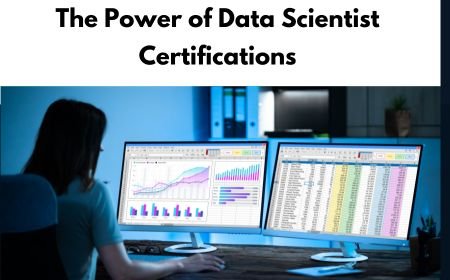
Certification in data science proves your skills and gives you a credential that employers recognize. It demonstrates that you understand the core ideas in data science and can give you a competitive edge in the job market. The IABAC offers widely respected certifications, making it easier for certified professionals to find jobs globally. An IABAC certification shows that you are committed to best practices and ready to work in the field.
Why Take a Course in Data Science
Data is now at the heart of the digital world, and companies are investing heavily in data science and analytics. Here’s why taking a Course in Data Science can be a great career move:
- Strong Demand for Data Skills: Nearly every industry—from healthcare to finance to entertainment—needs data experts to help them grow and improve.
- Diverse Career Choices: Skills learned in data science apply to many roles, opening up multiple career paths.
- Good Salaries: Data science professionals are some of the highest-paid workers in tech, thanks to the specialized skills they bring.
- Flexibility and Growth: Data science is a field that’s constantly changing, offering ongoing learning and advancement opportunities.
Career Opportunities After a Course in Data Science
Completing a Course in Data Science opens up many rewarding career options. Here’s a look at some of the most popular roles:
1. Data Scientist
Role Overview: Data scientists analyze large datasets to discover insights and build predictive models. They use statistics and machine learning to find patterns and trends, helping businesses make informed decisions.
Key Skills:
- Machine learning
- Programming (Python, R)
- Data cleaning and organization
- Data visualization
Average Salary: Data scientists are well-paid, especially in fields like finance, healthcare, and technology.
2. Data Analyst
Role Overview: Data analysts interpret and visualize data to make it understandable. They often work with different teams to help them make data-driven decisions, offering insights that improve business performance.
Key Skills:
- Statistical analysis
- SQL and database management
- Data visualization tools (Power BI, Tableau)
- Strong communication skills
Career Path: Many data analysts move into data science or business analytics as they gain more experience.
3. Machine Learning Engineer
Role Overview: Machine learning engineers create and deploy machine learning models. This role involves deep knowledge of algorithms, data structures, and software engineering.
Key Skills:
- Machine learning frameworks (TensorFlow, PyTorch)
- Programming (Python, Java)
- Model deployment
- Cloud computing
Growth Potential: As machine learning becomes more common, demand for these engineers remains high.
4. Data Engineer
Role Overview: Data engineers build and maintain the infrastructure for data collection, processing, and storage. They create data pipelines, ensuring data scientists and analysts can access and use data effectively.
Key Skills:
- Data warehousing and ETL (Extract, Transform, Load)
- Big data tools (Hadoop, Spark)
- SQL and database management
- Cloud platforms (AWS, Azure, Google Cloud)
Career Path: Data engineers can advance to roles like senior data engineer, data architect, or data platform manager.
5. Business Intelligence (BI) Analyst
Role Overview: BI analysts transform data into actionable insights through reports and dashboards. They help organizations understand trends and make strategic decisions based on data.
Key Skills:
- Data visualization (Tableau, Power BI)
- SQL and database querying
- Strong business understanding
- Communication skills
Industries: BI analysts are essential in sectors like finance, retail, and healthcare, where operational and financial efficiency is a priority.
6. Artificial Intelligence (AI) Specialist
Role Overview: AI specialists use machine learning and deep learning to develop intelligent systems that mimic human thinking. They often work on projects like natural language processing, computer vision, and robotics.
Key Skills:
- Deep learning frameworks (Keras, TensorFlow)
- Knowledge of neural networks and NLP
- Programming (Python, Java)
- Research and development
Career Path: AI specialists can move into senior research or development roles, working on advanced AI projects.

Key Benefits of an IABAC Data Science Certification
Getting an IABAC certification in data science has several advantages:
- Global Recognition: IABAC is known worldwide, making it easier to find jobs across different countries.
- Industry Relevance: IABAC certification matches industry needs, ensuring your skills stay up-to-date and useful.
- Increased Credibility: Certified professionals are often preferred by employers, as certification shows dedication to learning and best practices.
- Networking Opportunities: An IABAC certification connects you with other professionals in the field, opening up collaboration and career advancement options.
Tips for Beginners
If you’re new to data science, here are some tips to help you get started:
- Start with the Basics: Learn basic statistics and a programming language like Python.
- Take Small Steps: Data science is a big field, so start with core areas like data analysis and visualization before diving into advanced topics.
- Practice Hands-On: Use platforms where you can work with real data, as hands-on experience is essential.
- Build a Portfolio: Show off your projects and skills on sites like GitHub, or create a personal website to attract employers.
- Network with Others: Join data science groups, attend events, and connect with people already in the field.
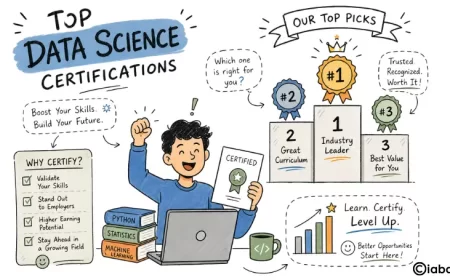
Top Data Science Certifications
Certifications can enhance your resume and boost your career. Here are some respected ones:
- Certified Data Scientist (CDS): For those with experience, this certification covers advanced data science skills, including machine learning and statistical methods.
- Data Science Professional Certificate: This is for beginners and covers data science fundamentals, including Python programming, data visualization, and introductory machine learning.
- Advanced Data Science Certificate: Aimed at experienced professionals, this program focuses on advanced techniques, such as neural networks and big data tools.
- Big Data and Data Science Certification: Specializing in big data tools like Hadoop and Spark, this certification is ideal for those managing large datasets.
- Machine Learning Specialization: Focusing on machine learning algorithms and data modeling, this certification is perfect for those looking to specialize in machine learning.
The best Course in Data Science depends on your experience, career goals, and how much time and resources you can commit. From beginner courses to advanced degrees, there’s a path for everyone, whether you’re new to data science or looking to deepen your expertise.