


























































Key Trends in Python for Data Engineering for 2026
Key Python trends in data engineering for 2026 include ETL automation, cloud integration, data pipelines, and scalable processing.

If Python were a person, it would be that one engineer who quietly handles everything and suddenly gets more responsibility every year.
In 2026, Python for data engineering is not only about writing scripts or cleaning datasets anymore. It is now used for building systems that run with AI, handle live data, and support large-scale processing. There was a time when engineers focused on daily batch jobs. Now the same engineers work with AI systems, live data streams, and cloud systems that respond instantly.
It can feel like everything changed very quickly, but Python stayed at the center of it all.
AI is Now Part of Daily Engineering Work — The Machines That Run the Machines
Self-Healing Pipelines & AI Agents
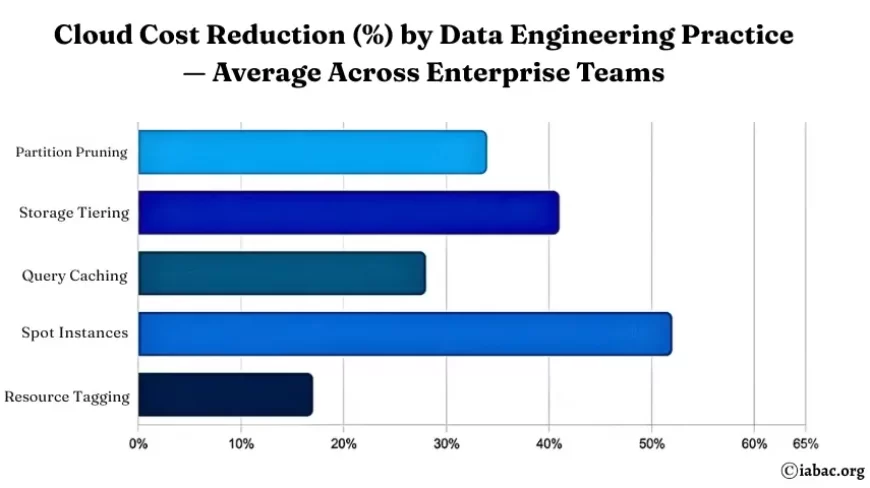
AI agents — built on top of large language models and integrated into Python orchestration frameworks — now monitor pipelines around the clock. Think of tools like Apache Airflow extended with LLM-based anomaly detectors. When a pipeline silently drops 12% of records at 3 a.m., the agent does not just alert someone. It investigates the upstream schema change, proposes a fix, tests it in a staging environment, and deploys it — all autonomously. This is not science fiction; it is the operational baseline at companies running serious data engineering Python infrastructure.
Vibe Coding: The Rise of High-Level Engineering Judgment
Tools like GitHub Copilot and cloud-native assistants now handle the boilerplate — writing ingestion scripts, generating documentation, and producing unit tests. The result? The Python data engineer's job has shifted upward in abstraction. You are now paid for your judgment: knowing which architecture is right, when an AI-generated solution is subtly wrong, and how to design systems that survive contact with reality. If you are learning Python programming for data engineering today, your curriculum must include how to critically evaluate AI-generated code — not just how to write it yourself.
1. Prompt & Context Engineering
Here is one nobody told you in data school: in 2026, building Retrieval-Augmented Generation (RAG) systems is a core data engineering skill. Organizations need accurate, real-time context fed to LLMs. That context has to come from somewhere — and it comes from Python pipelines ingesting, chunking, embedding, and indexing data into vector stores. If you are a Python data engineer, you are now also a context architect. Congratulations on your accidental second career.
2. Live Data and Event-Based Systems Are Now Normal
Batch processing once a day is slowly becoming outdated.
Today, systems are expected to react instantly.
Event-based systems
Instead of waiting for scheduled jobs, systems now respond when something happens.
Tools used with Python
- PySpark for large-scale processing
- Apache Kafka for streaming events
- Apache Flink for fast processing
Simple flow diagram
User Action → Event Stream → Kafka → Processing (PySpark/Flink) → AI Output → Dashboard Update
Why this matters
Speed makes a big difference:
|
System Type |
Delay |
Result |
|
Batch system |
Hours |
Slow updates |
|
Live system |
Seconds |
Instant updates |
In data engineering Python, speed is now a basic requirement.
3. Data Quality Checks Happen Early Now
Earlier, problems were fixed after reports broke. That caused delays and confusion.
Now, checks happen while data enters the system.
Data agreements
Teams now set rules called data agreements between systems that send and receive data.
If something changes without warning, systems stop it early.
Data health tracking
Modern systems track:
- Freshness of data
- Missing values
- Changes in structure
Tools used include systems like Great Expectations and monitoring tools.
Simple timeline
Old approach → Fix after failure
Middle stage → Monitor after loading
Current approach → Check before data enters the system
This change is now part of the data engineering Python work.
4. Modern Storage and System Design
Data storage systems are also changing quickly.
Lakehouse system
Modern storage combines:
- Flexible storage systems
- Structured storage systems
This combined system is called a lakehouse.
Open formats
Common formats include:
- Apache Iceberg
- Delta Lake
- Apache Hudi
These help avoid locking data into one system.
Reduced ETL work
Now, many cloud systems allow direct access to data without heavy transformation steps.
So instead of: Extract → Transform → Load
We often see: Connect → Use → Analyze
Effect on engineers
A Python data engineer now focuses more on system design and performance instead of just moving data.
Cost Awareness in Cloud Systems
Cloud bills have become the stuff of legends. I have seen data teams accidentally run a Spark job for 72 hours on a full cluster because nobody set a termination condition. The invoice that followed was, to put it diplomatically, bracing.
In 2026, the data engineer who ignores cost is the data engineer who becomes a cautionary tale. FinOps — Financial Operations — is now a first-class discipline in the data platform world, and Python engineers are expected to participate in it.
This means writing queries that minimize full-table scans on Iceberg or Delta tables by leveraging partition pruning. It means choosing the right storage tier: hot storage for frequently accessed data, cold or archival tiers for historical compliance data. It means tagging cloud resources, setting budget alerts, and understanding that a 10x improvement in query efficiency translates directly to real money saved. A FinOps-aware Python data engineer is simply more valuable — full stop.
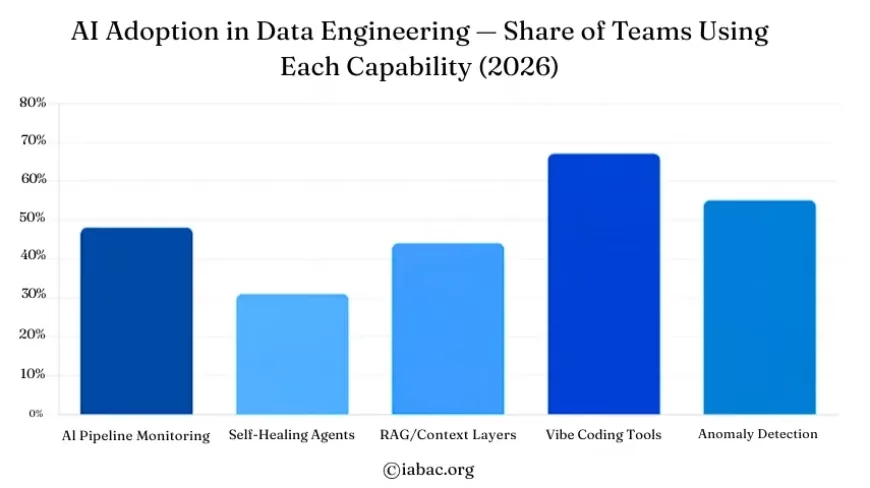
Cloud systems are powerful but can become expensive very quickly.
Cost management
Engineers now work on:
- Reducing unnecessary processing
- Choosing the right storage type
- Improving query efficiency
Better performance often increases cost. The goal is to keep both balanced.
This is now part of Python for data engineering responsibilities.
Python, AI, and Data Work Are Blending Together
The separation between engineering, analytics, and AI work is getting smaller.
Continuous data cycle
The system now works like this:
data → processing → insight → action → new data
This cycle runs continuously.
Data projects now include pipelines
A data science project today is not just about building models. It includes:
- Data streaming
- Feature pipelines
- Live predictions
- Feedback loops
Learning and certifications
Many professionals improve their skills through structured programs like:
These programs support growth in Data Science Certifications, datascience, and modern Data Science practices.
The 2026 Python Data Engineer: A New Profile
Let's be honest — the data engineer of 2026 would be unrecognizable to their 2019 counterpart. That person wrote ETL scripts in pandas and scheduled them in cron. Today's Python data engineer is part system architect, part AI integrator, part cost analyst, and part data quality watchdog. The role has expanded enormously.
The Six Hats of the Modern Python Data Engineer:
|
AI Operator — Builds and manages |
Stream Architect — Designs low-latency event-driven systems using Kafka, Flink, and PySpark. |
| Quality Guardian — Enforces data contracts and observability at the point of ingestion, not after. |
FinOps Practitioner — Optimizes queries, selects storage tiers, and keeps cloud costs accountable. |
| Lakehouse Engineer — Manages multimodal open-format lakehouses across structured and unstructured data. |
Context Builder — Designs RAG systems that feed real-time, accurate context into production LLMs. |
Skills Needed for Python Data Engineers in 2026
A modern Python data engineer works with many systems together.
Core skills
- Python programming
- PySpark
- SQL
- Kafka streaming
AI-related skills
- Working with language models
- Setting up context systems
- Building smart pipelines
Cloud skills
- Cloud storage systems
- Distributed computing
- System optimization
Thinking skills
- System planning
- Problem solving
- Performance tuning
Skill overview table
|
Area |
Importance |
|
Python |
Very high |
|
Streaming systems |
Very high |
|
AI integration |
High |
|
Cost control |
Growing |
|
Basic ETL |
Less used |
Python Training Trends
Interest in Python data engineering course programs is increasing because companies now expect engineers who can:
- Build pipelines
- Handle live data
- Work with AI systems
- Manage cloud costs
Courses now include streaming systems, cloud tools, and AI-based workflows.
Example System: Online Shopping Platform
Situation
A shopping platform tracks user actions.
Process flow
- User clicks a product
- The event is sent to Kafka
- PySpark processes it
- AI predicts interest
- Suggestions update instantly
Result
- Better product suggestions
- Faster updates
- Improved customer experience
This shows how Python programming for data engineering is used in practice.
Future Direction
Looking ahead:
- Engineers will work closely with AI systems
- Systems will fix small issues automatically
- Live processing will be the default
- Cost control will be part of every decision
- Python will continue to be the main language
Even though data science is slowly merging with engineering systems instead of being separate.
Python Stays at the Center of Everything
Python did not become important suddenly. It stayed important while everything around it changed.
In 2026, Python for data engineering is used to build systems that run live, support AI, and handle large amounts of information. From streaming systems to cloud optimization, from AI integration to system design, Python continues to be the main tool engineers rely on. For structured learning and globally recognized programs in Data Science and data engineering, Python, platforms like IABAC Certifications continue to support professionals building strong careers in this area.