




















































How to Choose the Best Data Science Certification
Thinking about a Data Science Certification? Learn what to look for before choosing a program and investing your time and money for career growth.

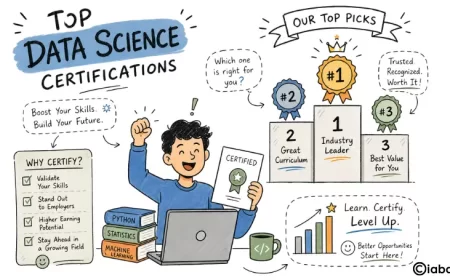
Have you ever wondered which Data Science Certification is right for you? With so many options available today, making the right choice can be challenging. Whether you are a student, a working professional, or someone planning a career change, choosing a certification that matches your goals is important.
The right certification can help you build valuable skills, gain practical knowledge, and improve your career opportunities. Before enrolling, it is worth understanding what each certification offers and how it can support your professional growth. This guide will help you make a confident and informed decision.
The Growing Demand for Data Science Skills
Certifications like the Data Science Foundation Certification are a great way to learn about important data science concepts. If you want to get better at data science, you can also try the Data Science Developer Certification, which teaches you more about data handling, programming, and statistical analysis. To become a really good data science expert, you should also get a Data Scientist Certification. This one covers a lot of different skills, like data mining, machine learning, and big data technologies. There's also the Machine Learning Expert Certification, which focuses on making and using machine learning models. These certifications are really important because a lot of companies need people with these skills. If you get certified, you'll know a lot more and have a better chance of getting a good job. And as companies keep using data, certified professionals will be really important for making things better and more efficient.
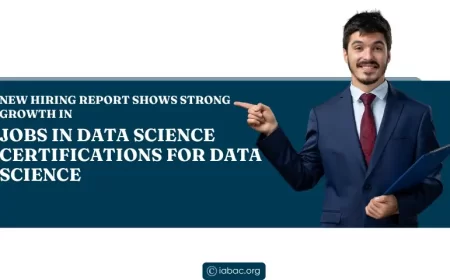
According to the U.S. Bureau of Labor Statistics, employment for Data Scientists is projected to grow by 34% between 2024 and 2034, which is much faster than the average growth rate for most occupations. This growing demand highlights the increasing need for professionals who can turn data into meaningful business insights and support better decision-making.
Choosing the Right Data Science Certification: A Simplified Guide
-
Certification Focus: Certifications vary in their focus. Some may specialize in specific tools like Python or R, while others cover broader topics such as machine learning or big data. Understanding what each certification offers can help you decide which one aligns best with your needs.
-
Certification Credibility: Not all certifications are equally respected. Make sure to research and choose a program that is well-regarded in the industry. This step is important to ensure your certification will be valued by employers.
-
Cost: Certification programs can be expensive. It’s important to weigh the cost against the potential benefits for your career. Look for programs that offer good value for your investment.

What factors do you think are most important when choosing a Data Science Certification?
1. Industry Relevance: When picking a Data Science Certification, it's important to choose one that meets industry standards. Certifications from well-known organizations like IABAC are updated to match current job requirements, so you can be sure the skills you learn are relevant.
2. Course Content: The material covered in the certification is essential. Look for programs that include key topics such as data analysis, machine learning, and data visualization. IABAC provides a thorough curriculum that covers all these areas, giving you a complete understanding of data science.
3. Flexibility: Consider how flexible the certification program is. Whether you prefer learning at your own pace, attending live online classes, or participating in in-person workshops, make sure the program fits your schedule and learning style. IABAC offers various formats to suit different needs.
4. Recognition: The credibility of the certification is crucial. Opt for programs that are widely recognized and respected by employers. IABAC certifications are known for their quality and are trusted globally, which can enhance your job prospects.
5.Practical Experience: Gaining hands-on experience is vital. Look for certifications that include practical projects and real-world case studies to apply what you've learned. IABAC includes practical assignments in their certifications to prepare you for real-life data science tasks.
6.Support and Resources: Access to additional resources and support can improve your learning experience. Choose certifications that offer extra materials, forums, and mentorship. IABAC provides plenty of support to help you succeed throughout your certification journey.
By considering these factors, you can make a smart choice and find a Data Science Certification that fits your career goals and learning preferences. IABAC’s certifications meet these criteria, making them a strong option for anyone looking to advance in data science.
Key Factors for Choosing the Best Data Science Certification
Choosing the right Data Science Certification is crucial for advancing your career. Here are the key factors to help you make an informed decision:
1. Reputation of the Certification Provider:
Pick a certification from a well-known and respected institution. Certifications from reputable organizations, like IABAC, are often more recognized and valued by employers.
2. Accreditation and Industry Recognition:
Make sure the certification is accredited by relevant industry bodies. Certifications with industry endorsements are generally more respected and can boost your professional standing.
3. Flexibility and Learning Format:
Consider how flexible the certification program is. Online options or programs with adjustable schedules can be more convenient if you have other commitments. Ensure the format suits your learning style and schedule.
4. Cost and Value:
Assess the cost of the certification in relation to the benefits it offers. Higher costs might be acceptable if the certification provides extra resources and support, but it should still offer good value for your money.
5. Certification Validity and Renewal:
Check how long the certification is valid and the process for renewal. Certifications that last longer or offer easy renewal options can reflect your ongoing commitment to professional development.
By carefully considering these factors, you can choose a Data Science Certification that best aligns with your career goals and enhances your skills in the field.
Common Mistakes to Avoid When Choosing a Data Science Certification
Choosing a certification can be exciting, but many learners make decisions that do not support their long-term career goals. Understanding these common mistakes can help you make a better choice.
Choosing Based Only on Cost
A low-cost certification may seem attractive, but price should not be the only factor. It is important to consider the quality of the curriculum, practical learning opportunities, and industry recognition.
Ignoring Career Goals
Different certifications are designed for different career paths. Some focus on analytics, while others focus on machine learning or advanced data science. Before enrolling, identify the skills and roles you want to pursue.
Overlooking Practical Learning
Data science is a hands-on field. Certifications that include projects, case studies, and practical assignments can help you develop real-world skills that employers value.
Following Popular Trends
A certification may be popular, but it may not match your learning needs. Choose a program based on your goals rather than current trends.
Not Checking Industry Recognition
Employers often prefer certifications that are recognized within the industry. Research the certification provider and understand how widely accepted the credential is before making a decision.
Questions to Ask Before Enrolling in a Data Science Certification
Before selecting a certification program, take time to evaluate whether it aligns with your learning needs and professional goals.
Consider asking the following questions:
-
What skills will I gain after completing the certification?
-
Does the curriculum include practical projects?
-
Is the content updated to match current industry requirements?
-
Will the certification support my long-term career goals?
-
Does the program offer learning resources and support?
-
Is the certification recognized by employers?
Answering these questions can help you make a more informed decision and select a program that provides meaningful value.
How Employers Evaluate Data Science Certifications
While certifications can strengthen a resume, employers often look beyond the certificate itself. They want to understand how effectively candidates can apply their knowledge in real situations.
Many employers evaluate candidates based on:
Technical Skills
Employers look for knowledge of programming, data analysis, statistics, and machine learning concepts.
Problem-Solving Ability
Organizations value professionals who can use data to solve business challenges and support decision-making.
Project Experience
Practical projects demonstrate the ability to apply theoretical concepts to real-world scenarios.
Communication Skills
Data professionals must be able to explain findings clearly to both technical and non-technical stakeholders.
Continuous Learning
The data science field continues to evolve. Employers appreciate professionals who regularly update their knowledge and skills.
Building a Successful Career After Certification
Earning a certification is an important milestone, but career growth depends on how you apply your knowledge.
Here are a few practical steps to follow after completing your certification:
Build a Professional Portfolio
Create projects that showcase your skills in data analysis, visualization, and predictive modeling.
Apply Your Knowledge
Look for opportunities to use data science skills in your current role, internships, freelance work, or personal projects.
Strengthen Your Professional Network
Connect with industry professionals, participate in communities, and attend relevant events to learn from others in the field.
Update Your Resume and Professional Profiles
Highlight your certification, projects, and newly developed skills to improve visibility with recruiters and employers.
Continue Learning
Data science is constantly changing. Staying updated with new tools, technologies, and industry practices can help you remain competitive throughout your career.
Frequently Asked Questions (FAQs)
What is a Data Science Certification?
A Data Science Certification validates your knowledge and skills in areas such as data analysis, statistics, machine learning, and data visualization. It helps demonstrate your expertise to employers.
Which Data Science Certification is best for beginners?
A Data Science Foundation Certification is often a good starting point for beginners because it covers the fundamental concepts, tools, and techniques used in data science.
How do I choose the right Data Science Certification?
Choose a certification based on your career goals, current skill level, course content, industry recognition, and opportunities for practical learning.
Are Data Science Certifications worth it?
Yes. Certifications can strengthen your resume, improve your knowledge, and help you stand out when applying for data-related roles.
What career opportunities are available after earning a Data Science Certification?
After certification, you can pursue roles such as Data Analyst, Data Scientist, Machine Learning Engineer, Business Analyst, and Analytics Consultant across various industries.
Choosing the best Data Science Certification is an important step toward building a successful career in the data-driven world. With many certification options available, it is essential to evaluate your career goals, current skills, learning preferences, and industry requirements before making a decision. A well-structured certification can help you develop practical knowledge, strengthen your professional profile, and improve your career opportunities. By selecting a recognized certification and continuously applying your skills through projects and real-world experiences, you can confidently move forward in your data science journey and create long-term professional growth and success.