























































Healthcare Analytics: Meaning, Importance, and Career Opportunities
Healthcare Analytics uses data to improve patient care, hospital efficiency, and research. Build skills for a growing career in data-driven healthcare.

Data plays an important role in improving how hospitals and medical centers work. The rise of Healthcare Analytics has changed the way doctors treat patients, how hospitals are managed, and how medical research is done. By using data science in healthcare, professionals can make faster and smarter decisions. This leads to better treatment, fewer errors, and smoother hospital operations. This article explains what Healthcare Analytics means, why it matters, the types of analytics used, job growth, and how you can start a career in this growing field.
What Is Healthcare Analytics?
Healthcare Analytics means collecting and studying healthcare data to improve patient care and hospital performance. It helps doctors and healthcare professionals make decisions based on real information rather than guesses. This process uses data analysis, statistics, and predictive tools to understand patterns, plan treatments, and manage healthcare systems better. It turns patient records and hospital data into useful insights that can save lives and improve efficiency.
The Role of Data Analytics in Healthcare
Every day, hospitals and clinics create a huge amount of information — such as patient reports, lab results, and billing records. This information can be extremely helpful when analyzed properly.
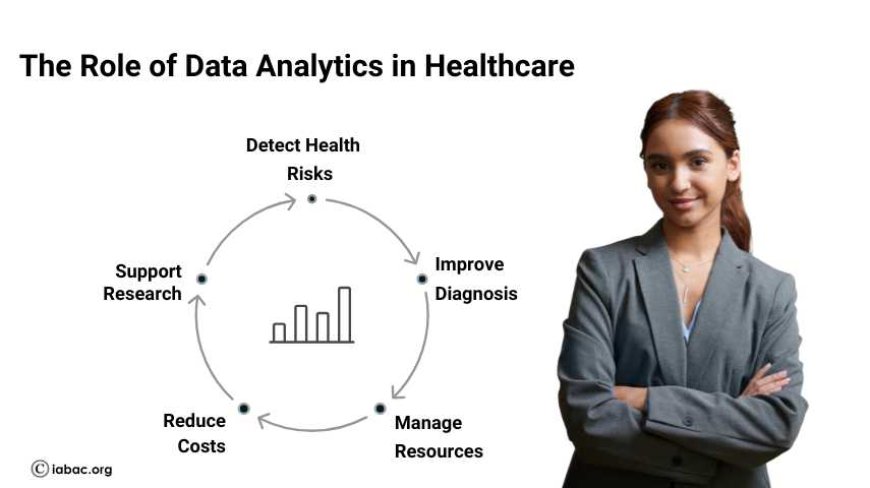
Healthcare Analytics helps:
- Detect health risks early and prevent diseases
- Improve diagnosis and treatment accuracy
- Manage hospital resources better
- Reduce operating costs
- Support new medical research
It converts raw data into useful insights that help doctors, hospitals, and patients alike.
Main Types of Healthcare Analytics
Healthcare Analytics can be divided into three main categories — Descriptive, Predictive, and Prescriptive Analytics.
1. Descriptive Analytics: This type explains what has already happened. It looks at past data to find trends and patterns.
For example, hospitals use it to check patient admission rates or track how well treatments worked.
2. Predictive Analytics: This type uses past data to predict what might happen next. It can forecast which patients may develop chronic diseases or are likely to return to the hospital.
By using predictive models, healthcare professionals can act early and plan treatments more effectively.
3. Prescriptive Analytics: This type goes beyond prediction. It recommends what steps should be taken for the best results.
For example, it can suggest the best treatment method, how to use hospital equipment efficiently, or how to schedule staff better.
Why Healthcare Analytics Is Important
Healthcare Analytics has become a key part of improving healthcare services. It supports better decisions, smoother operations, and lower costs.
|
Benefit |
Result |
|
Better Patient Care |
Helps create accurate diagnoses and personalized treatments. |
|
Early Risk Detection |
Finds health problems before they become serious. |
|
Efficient Operations |
Improves scheduling, resource use, and inventory control. |
|
Lower Costs |
Reduces waste and prevents unnecessary spending. |
|
Smart Decisions |
Provides real-time insights for hospital and clinical management. |
With the help of Healthcare Analytics, both doctors and administrators can make well-informed decisions that benefit patients and organizations.
Healthcare Analytics Salary and Career Growth
Healthcare Analytics combines medical knowledge with data skills, creating a strong career path with many job opportunities.
Salary Range
In India, the average salary for healthcare analysts is between ₹4.5 to ₹9 lakhs per year, based on experience, role, and city.
Senior experts, such as healthcare data scientists or consultants, can earn higher salaries depending on their skill set.
Career Growth
The healthcare industry is expanding quickly, especially with digital health systems becoming more common.
With India’s healthcare market expected to grow beyond $190 billion by 2032, there is a steady need for professionals who can manage and analyze healthcare data effectively.
Government programs to improve hospitals and promote digital healthcare are also helping this field grow faster.
The Future of Healthcare Analytics
The future of Healthcare Analytics looks very promising with new technologies such as AI, machine learning, and real-time health monitoring.
Here are some upcoming trends:
- AI-Based Predictive Tools: AI can identify possible diseases and suggest preventive steps.
- Personalized Medicine: Data helps doctors design treatments that match each patient’s lifestyle and health record.
- Wearable Devices: Fitness trackers and smartwatches provide real-time health data for early care.
- Automation in Hospitals: Analytics tools help manage hospital systems, reducing workload and human errors.
In the coming years, healthcare analytics will continue to improve accuracy, speed, and patient experience.
How to Start a Career in Healthcare Analytics
If you’re interested in combining healthcare and data, here’s how to begin:
1. Get Certified
A Healthcare Analytics certification can help you gain knowledge and stand out to employers. It teaches key skills like data management, visualization, and analytics tools used in healthcare.
2. Learn Key Skills
To succeed, focus on both technical and soft skills such as:
- Programming: Python, R
- Database Tools: SQL, Excel
- Data Visualization: Power BI, Tableau
- Analytical Thinking: Data interpretation and problem-solving
- Communication: Presenting data insights clearly
3. Gain Practical Experience
Work on projects or internships that deal with medical or patient data. Real-world exposure helps you understand how hospitals operate and make decisions.
4. Understand Healthcare Systems
Basic knowledge of hospital management, patient care, and public health will help you connect analytics with real healthcare needs.
Healthcare Analytics is changing how healthcare systems work — from patient care to hospital management. It helps professionals use data to make better choices, improve efficiency, and save lives. As more hospitals and health organizations turn to digital systems, skilled healthcare analysts will play a key role in improving the quality of healthcare in the future. Whether you’re a data professional or from a medical background, this is an exciting field with many opportunities to grow and make a real difference.