
























































How to Start a Career in Data Analytics
Start a career in data analytics with essential skills, tools, certifications, projects, and job strategies to secure entry-level analyst roles confidently.


If you are exploring career options that offer stability, growth, and strong earning potential, data analytics is one of the most practical choices today. Companies across industries depend on data to understand customers, improve operations, and make decisions with confidence. This has created a steady demand for professionals who can turn numbers into meaningful insights.
Many beginners assume that data analytics requires an advanced mathematics degree or years of programming experience. In reality, many successful analysts come from commerce, engineering, science, or even non-technical backgrounds. What matters most is structured learning, consistent practice, and the ability to think logically.
This guide explains how to start a career in data analytics from the ground up. It covers the skills you need, tools to learn, certifications that add value, ways to gain experience, and how to present yourself to organisations. If you follow these steps carefully, you can build a strong foundation and move toward your first analyst role with confidence.
Understand What Data Analytics Involves and Career Opportunities
Before learning tools or enrolling in courses, it is important to understand what the job actually looks like day to day.
A data analyst collects information from various sources, organizes it, analyses patterns, and presents findings that help organizations make decisions.
For example, a retail company may want to know why sales dropped in a specific region. An analyst studies transaction data, customer behaviour, and external factors to identify the reason.
Typical responsibilities include:
-
Gathering data from databases, spreadsheets, or systems
-
Cleaning errors or inconsistencies using data cleaning techniques
-
Performing exploratory data analysis to identify patterns
-
Creating charts, dashboards, or reports using data visualization tools
-
Explaining insights in simple business terms
Career opportunities exist in almost every industry, including healthcare, banking, e-commerce, logistics, education, and government.
Entry-level roles you may target:
-
Junior Data Analyst
-
Business Analyst
-
Reporting Analyst
-
Operations Analyst
-
Marketing Analyst
With experience, professionals can grow into senior analytics roles, business intelligence positions, or data science careers.
Understanding these pathways helps you set realistic expectations and motivates focused learning.
Learn the Core Data Analyst Skills Required
Organisations look for a mix of technical knowledge and analytical thinking. If you are starting from zero, focus on mastering foundational skills before moving to advanced topics.
Analytical and logical thinking
At its core, data analytics is about solving problems. You should be able to break down a business question into easy to evaluate components and interpret results carefully.
Statistics for data analysts
Basic statistical concepts help you understand trends and reliability. Important topics include averages, variability, probability, correlation, and hypothesis testing.
Excel for data analytics
Excel remains widely used in organizations. Learning formulas, pivot tables, lookup functions, and basic dashboards will make you immediately useful in many roles.
SQL for data analysis
Most companies store data in databases. SQL allows you to retrieve, filter, and combine data efficiently. It is one of the most frequently listed data analyst job requirements.
Programming skills
Python for data analysis and R programming for analytics enable automation and deeper analysis. Beginners often start with Python due to its simplicity and large community support.
Communication and data storytelling
An analyst’s work has value only when stakeholders understand it. Clear explanations, visual presentations, and business context are essential.
Building these data analyst skills required for entry-level roles forms the backbone of your career preparation.
Master Essential Tools and Technologies for Data Analysis
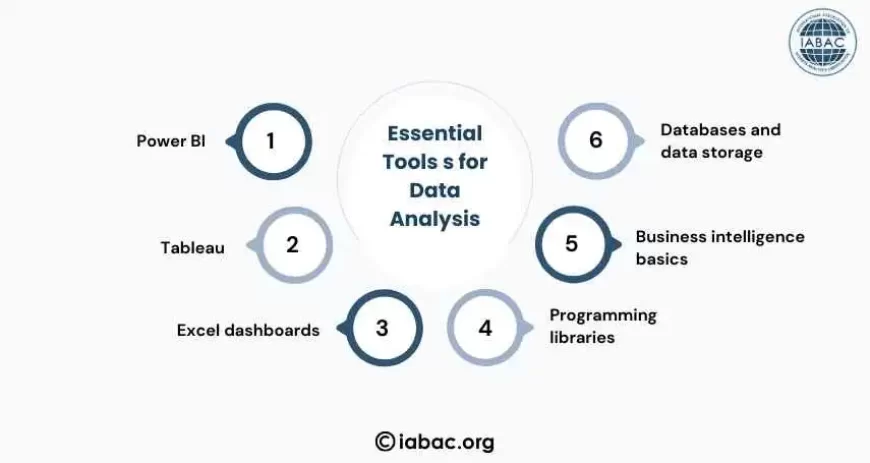
Tools help you apply concepts to real situations. Instead of trying to learn everything, focus on widely used platforms that employers expect.
Data Visualization Tools
Data visualization tools help you turn numbers and spreadsheets into charts, graphs, and dashboards that people can understand quickly. Instead of reading hundreds of rows of data, decision-makers can see patterns, trends, and problems at a glance.
Common tools include:
Power BI - Used to build interactive dashboards from different data sources
Tableau - Known for powerful visual reports and drag-and-drop charts
Excel dashboards - Simple charts and summaries created using Excel features like Pivot Tables
With these tools, you can present answers to business questions visually. For example, instead of saying “sales dropped in March,” you can show a graph that clearly highlights the decline and possible reasons. Users can also click, filter, and explore the data themselves.
Programming libraries
Python offers powerful libraries such as Pandas for data manipulation and Matplotlib for visualization. These support tasks like data cleaning techniques and exploratory data analysis.
Business intelligence basics
Understanding how organizations use data for reporting is important. Concepts like the ETL process (Extract, Transform, Load) explain how raw data becomes structured information.
Databases and data storage
Knowledge of relational databases helps you understand where data comes from and how it is structured.
Mastering a focused set of tools gives you practical capability rather than theoretical knowledge.
Follow a Structured Data Analytics Roadmap
Many beginners feel overwhelmed because they try to learn everything simultaneously. A step-by-step guide to data analytics provides clarity and direction.
A beginner-friendly sequence looks like this:
-
Learn basic statistics and data concepts
-
Build strong Excel skills
-
Study SQL for querying databases
-
Learn Python or R for analysis
-
Explore data visualization tools
-
Understand business intelligence basics
-
Practice real-world projects
Online data analytics courses often follow a similar structure, making them useful for self-learners. Consistency matters more than speed. Studying a few hours daily over several months produces better results than irregular intensive sessions.
Pursue Globally Recognized Data Analytics Certifications to Validate Your Skills
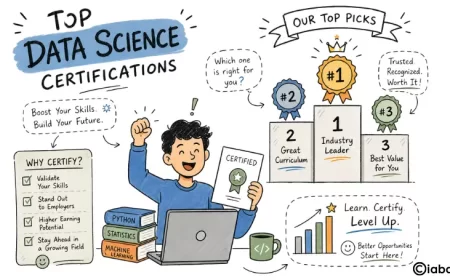
Certifications help demonstrate that you have completed structured training and acquired job-ready knowledge. While they do not replace experience, they can strengthen your profile, especially when applying for entry-level roles.
Options include:
-
Professional certificate programs from recognized learning platforms
-
Vendor certifications for tools such as Power BI or Tableau
-
University-affiliated online programs
-
Intensive data analytics bootcamp programs
When selecting data analytics certification courses, evaluate whether the curriculum includes hands-on projects, real datasets, and career support.
Globally-recognised data analytics certifications are particularly helpful for those planning a career switch to data analytics or transitioning from unrelated fields.
Build Hands-On Experience Through Projects and Internships
Practical experience proves that you can apply what you learned. Employers often prefer candidates who demonstrate real work, even if it comes from personal projects.
Personal projects
Choose problems that interest you. For example:
-
Analyzing e-commerce sales data
-
Studying public health statistics
-
Examining sports performance trends
-
Exploring financial market data
Your project should cover the full workflow from data collection to final insights.
Kaggle projects
Kaggle provides datasets and competitions that simulate real analytical challenges. Reviewing other participants’ solutions can accelerate learning.
Internships
A data analyst internship exposes you to professional workflows, collaboration tools, and reporting expectations. Even short internships add credibility to your resume.
Hands-on experience also helps you discover your strengths and preferred industry.
Create a Strong Portfolio, Resume, and Job Search Strategy
Your portfolio acts as proof of capability. Recruiters want to see how you approach problems, use tools, and communicate results.
Data analytics portfolio
Include projects that demonstrate:
-
Clear objectives
-
Well-documented methodology
-
Use of SQL, Excel, or Python
-
Visual dashboards
-
Actionable insights
Hosting projects on a GitHub portfolio for data analyst roles allows employers to review your code and documentation.
Data Analyst Resume Tips
Focus on outcomes rather than listing tools. For example, describe how your analysis identified trends, improved efficiency, or supported decisions.
Include relevant coursework, certifications, internships, and projects. Keep the resume concise and tailored to each role.
Networking and applications
Many opportunities come through referrals and professional connections. Participate in online forums, alumni groups, webinars, and industry communities.
Starting a career in data analytics may feel challenging at first, but the path becomes clear when broken into manageable steps. By understanding the role, building core skills, learning essential tools, following a structured roadmap, earning credible certifications, and gaining hands-on experience, beginners can become job-ready within a realistic timeframe.
Organizations increasingly value professionals who can interpret data and communicate insights effectively. With dedication and consistent practice, transitioning into data analytics can open doors to diverse industries, strong salaries, and long-term career growth.
If you stay focused on real skills, practical projects, and continuous learning, your journey from beginner to professional data analyst becomes entirely achievable.