















































Not Sure Which Data Engineer Certificate to Choose? Don’t Panic
Confused about choosing the right data engineer certification? Compare top programs, skills they cover, and how to pick the best option for your career goals.

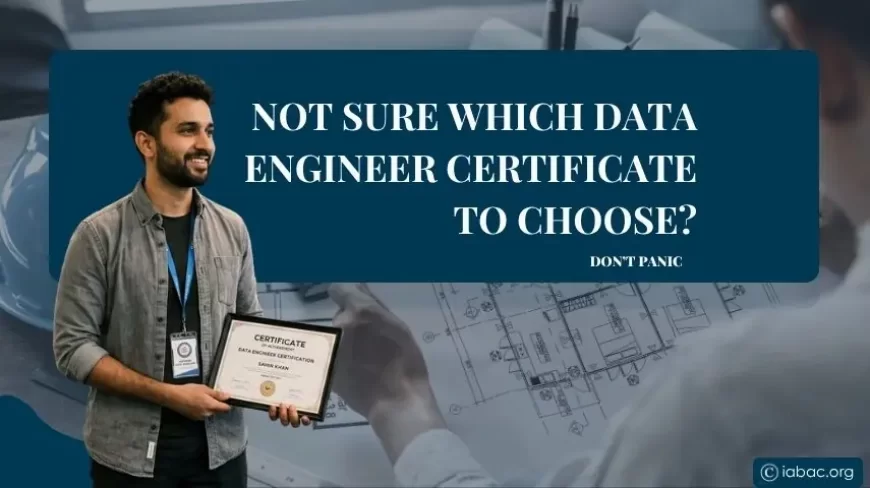
I remember staring at a long list of courses, wondering which path would actually help me become a Certified Data Engineer. Every option promised success, but none made the decision easier. I spent hours comparing content, checking credibility, and figuring out what truly builds real skills. Over time, I learned that the right certificate is not about big claims—it is about practical learning, trusted recognition, and real career value. That experience helped me cut through the confusion. So, don’t panic. I’ll walk you through what actually matters and how to choose a Certified Data Engineer certification with confidence.
Let’s simplify everything.
This guide will help you understand:
- What a data engineer actually does
- Why certifications matter
- How to choose the right one
- What mistakes to avoid
- And how to make a confident decision
By the end, you won’t feel lost anymore—you’ll feel clear.
Why Everyone Is Talking About Data Engineering
Data is everywhere. Every click, purchase, scroll, and search creates data. But raw data is messy. Someone needs to clean it, organize it, and make it useful.
That someone is a data engineer.
A data engineer builds the system that allows data to flow smoothly.
Without data engineers:
- Analysts can’t analyze
- Scientists can’t build models
- Companies can’t make smart decisions
So yes, it’s a big deal.
Where Data Engineering Fits in Data Science
Let’s break this down in a simple way:
|
Role |
What They Do |
|
Data Engineer |
Builds data pipelines and systems |
|
Data Analyst |
Reads and explains data |
|
Data Scientist |
Builds models and predictions |
|
Data Science Manager |
Leads teams and strategy |
If Data Science is a movie, the data engineer is the person who sets up the camera, lighting, and sound. Without them, nothing works.
Why a Data Engineer Certificate Matters
Here’s the honest truth:
You can learn data engineering without a certificate.
But… it’s much harder to prove your skills.
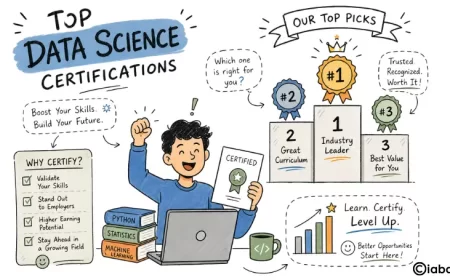
A good data engineer certificate helps you:
- Show your skills clearly
- Gain trust from employers
- Learn in a structured way
- Stay updated with industry tools
It also connects well with broader Data Science Certifications, which many companies look for when hiring.
The Problem: Too Many Choices
Let’s be real for a moment.
You search for certifications and see:
- Different prices
- Different durations
- Different tools
- Different claims
Your brain goes:
“What if I choose the wrong one?”
That fear is normal.
But instead of guessing, let’s use a simple method.
A Simple Formula to Choose the Right Certification
You don’t need luck. You need a checklist.
Use this formula:
Right Certificate = (Skills Covered + Practical Projects + Industry Value) ÷ Confusion
Let’s break it down.
1) Skills Covered
Check if the course includes:
- SQL
- Python
- Data pipelines
- Cloud basics
- Big data tools
If it only teaches theory, that’s a warning sign.
2) Practical Projects
If you don’t build anything, you don’t learn much.
Good certifications include:
- Real-world projects
- Case studies
- Hands-on practice
3) Industry Value
Ask:
- Is the certification recognized?
- Do companies trust it?
- Does it align with real job roles?
For example, programs listed on
https://iabac.org/certificationsare designed to match real industry needs and connect with broader Data Science Certifications.
4) Reduce Confusion
If the course description feels confusing, imagine the course itself.
Simple content = better learning.
Common Mistakes People Make
Let’s save you from future regret.
Mistake 1: Choosing Based on Price Alone
Cheap doesn’t always mean good. Expensive doesn’t always mean better.
Mistake 2: Ignoring Projects
Reading is not enough. You need practice.
Mistake 3: Following Trends Blindly
Just because everyone is doing something doesn’t mean it’s right for you.
Mistake 4: Waiting Forever
Some people spend months “researching” and never start.
At some point, you just have to begin.
How Much Time Does It Take to Become a Data Engineer?
Let’s look at a simple timeline:
|
Stage |
Time Needed |
|
Basics (SQL, Python) |
1–2 months |
|
Data tools & pipelines |
2–3 months |
|
Projects & practice |
2 months |
|
Job-ready level |
5–7 months |
This can vary, but consistency matters more than speed.
What Tools Should You Learn in Data Engineer?
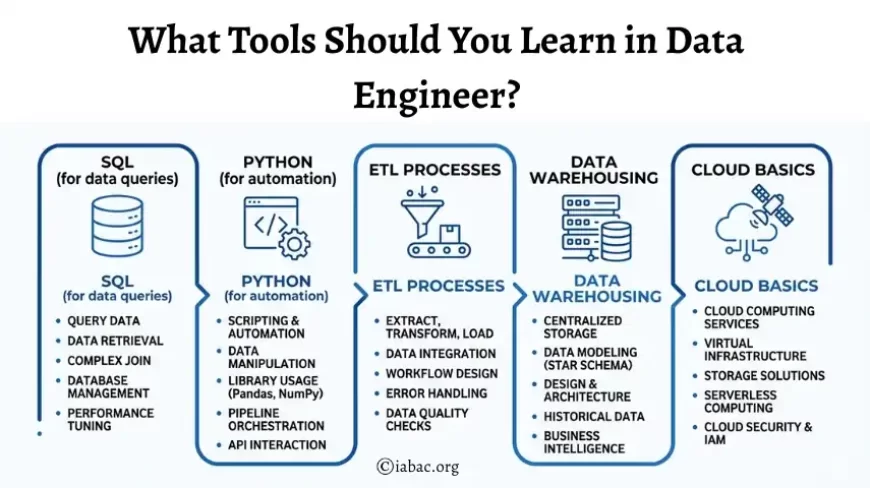
A good data engineer certificate should include:
- SQL (for data queries)
- Python (for automation)
- ETL processes
- Data warehousing
- Cloud basics
These are core skills in Data Science careers.
Real-Life Example
Let’s imagine a simple situation.
A company collects customer data:
- Website visits
- Purchases
- App activity
But the data is messy.
A data engineer:
- Cleans the data
- Stores it properly
- Builds pipelines
Now:
- Analysts can create reports
- Data scientists can build models
- A Data Science Manager can make business decisions
That’s the impact.
Salary Insight (Global View)
Here’s a general idea:
|
Experience |
Average Salary (USD/year) |
|
Beginner |
$60,000 – $90,000 |
|
Mid-level |
$90,000 – $130,000 |
|
Senior |
$130,000+ |
In many regions, demand is growing fast.
How Data Engineering Connects to Data Science Certifications
Many learners start with Data Science Certifications and later move into data engineering—or the other way around.
Why?
Because both fields work closely together.
- Data engineers prepare data
- Data scientists use it
- Managers guide the process
Learning one helps you understand the other.
How to Know You’re Choosing the Right Certification
Ask yourself:
- Does it match my career goal?
- Does it include real projects?
- Is it easy to understand?
- Does it connect to real jobs?
If the answer is “yes,” you’re on the right track.
What Makes IABAC a Good Option
The certifications offered on
https://iabac.org/certifications
focus on:
- Practical learning
- Industry-relevant skills
- Clear structure
- Global recognition
They are designed to support both data engineer certificate paths and broader Data Science Certifications, helping learners grow step by step.
A Quick Comparison Table
|
Feature |
Good Certification |
Poor Certification |
|
Content |
Practical + clear |
Only theory |
|
Projects |
Included |
Missing |
|
Industry value |
Recognized |
Unknown |
|
Learning style |
Simple |
Confusing |
|
Career support |
Available |
Not clear |
The Emotional Side No One Talks About
Let’s be honest.
Learning something new can feel:
- Confusing
- Slow
- Overwhelming
You might think:
- “Am I doing this right?”
- “Is this too hard?”
- “What if I fail?”
Everyone feels this at some point.
The difference is:
Some people stop.
Others continue.
Your Next Step
Instead of opening 20 tabs again, do this:
|
|
|
|
If you want a structured and practical path, explore:
https://iabac.org/certifications
It connects well with both Data Science and Data Science Certifications, and supports long-term career growth—even towards roles like a Data Science Manager.