
















































Why an Online HR Analytics Course is Worth Taking Now
Learn why taking an online HR analytics course now can boost your HR career, enhance data-driven decision-making skills, and open better growth opportunities.

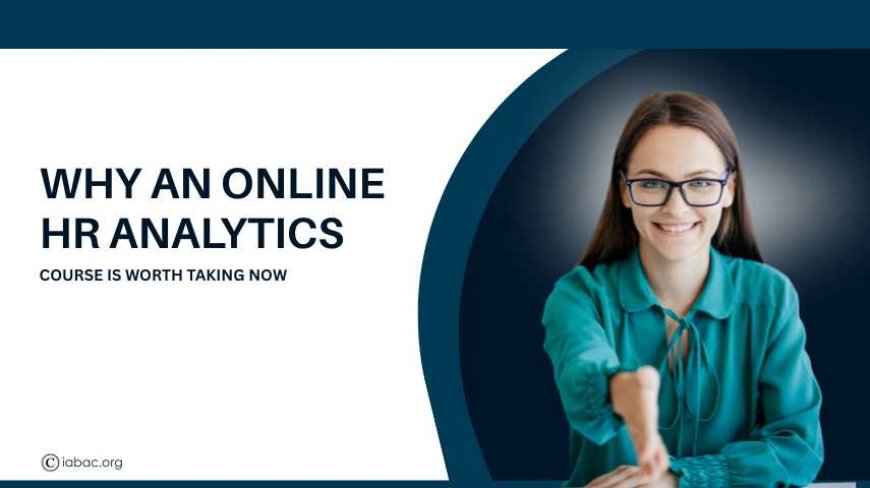
Where data plays a big role in every business decision, Human Resources (HR) is also changing fast. Companies now depend on data to make better choices about hiring, training, and employee growth. Because of this, HR analytics has become one of the most useful skills in the HR field.
If you’re working in HR or planning to start a career in it, joining an HR Analytics Course can be a smart move. It helps you understand how to use data to improve workforce management, make informed decisions, and grow your career in a meaningful way. Let’s look at why this is the right time to take an online HR analytics course, what it teaches, and how it can help you build a strong future in data-driven HR.
Understanding HR Analytics and Why It Matters
HR analytics, also known as people analytics, is the process of using data to improve how organizations manage their employees. It helps companies understand employee performance, engagement, hiring patterns, and more. Instead of making guesses or decisions based only on experience, HR professionals can use real data to make accurate and fair decisions. This makes HR analytics an important part of how modern companies operate.
When you take an HR Analytics Course, you learn how to read, understand, and use HR data to bring real improvements to your organization.
What You Learn in an HR Analytics Course
An online HR analytics course gives you both the technical and practical skills needed to work confidently with data in HR. Most courses combine HR principles with basic data science concepts. Here’s what you can expect to learn:
- How to collect and organize HR data
- How to build reports and dashboards
- How to measure employee performance
- How to use predictive analytics to understand turnover or productivity
- How to link HR insights with business goals
- How to present data in simple, visual formats
These lessons prepare you for different roles such as HR Analyst, HR Data Analyst, or Human Resources Analyst.
Skills and Career Roles
|
Skill Area |
What You Learn |
Possible Role |
|
Data Cleaning |
How to prepare HR data for analysis |
HR Data Analyst |
|
Visualization |
Creating HR dashboards and reports |
Human Resources Analyst |
|
Predictive Analytics |
Predicting employee trends and turnover |
HR Analyst |
|
Business Understanding |
Connecting HR data to business results |
Data Analytics for Managers |
The best HR analytics courses focus on real-world projects and case studies. This means you’ll not only understand the concepts but also gain experience applying them to actual HR data.
Why Now is the Right Time to Learn HR Analytics
There’s no better time than now to upskill with an HR Analytics Course. Organizations across industries are using data to manage their people better and plan for the future. Here’s why you should consider learning HR analytics today:
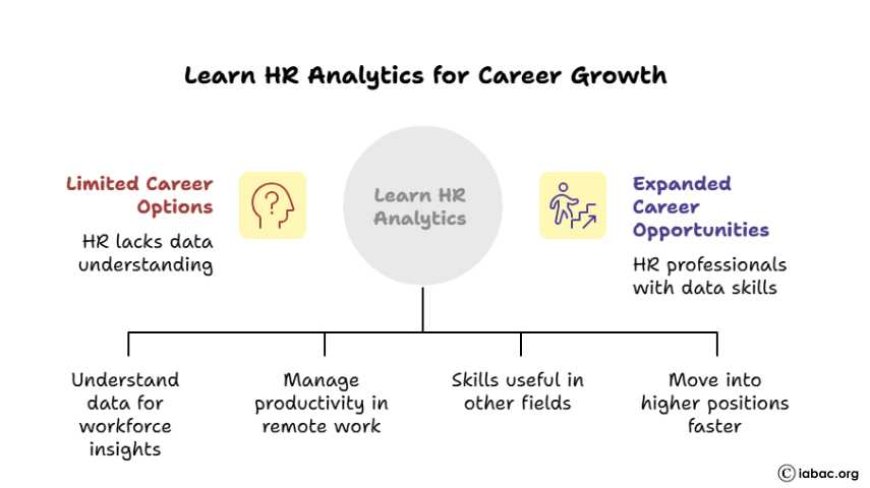
- More Career Options: Companies are looking for HR professionals who understand data and can help improve workforce performance through insights.
- Digital Workplace Growth: With remote and hybrid work becoming normal, HR needs data tools to manage and track productivity effectively.
- Transferable Skills: HR analytics teaches you skills that can be useful in other areas too, like finance or healthcare analytics.
- Career Progression: Earning certifications such as Data Analyst Certification or Data Analytics Foundation can help you move into higher positions faster.
By learning HR analytics now, you can prepare yourself for a long and stable career where your skills remain in demand.
How HR Analytics Helps Companies Grow
HR analytics has a direct impact on how a company performs. When used correctly, it can help businesses make smarter choices about their people and policies. Here’s how:
1. Better Workforce Planning
By analyzing employee data, HR teams can plan future hiring needs, reduce unnecessary costs, and fill skill gaps efficiently.
2. Improved Employee Retention
Analytics can highlight what motivates employees and why some leave. This helps HR teams take action early and keep valuable talent.
3. Performance Measurement
With HR analytics, managers can track training effectiveness and employee performance more clearly.
4. Business Decision Support
By connecting HR data to company performance, HR teams can show how people strategies directly affect revenue and growth.
5. Cross-Department Insights
Once you understand HR analytics, you can apply similar ideas in other departments, such as finance or operations, expanding your career path.
Career Options After Completing an HR Analytics Course
An HR Analytics Course opens many doors for both freshers and experienced professionals. Depending on your skill level, you can explore the following roles:
|
Career Level |
Job Role |
Key Focus |
|
Beginner |
HR Data Analyst |
Collects and organizes employee data |
|
Intermediate |
Human Resources Analyst |
Interprets HR trends and reports to management |
|
Manager |
Data Analytics for Managers |
Leads data-driven HR strategies |
|
Advanced |
Finance or Healthcare Analytics Professional |
Applies HR data skills to broader business areas |
You can also move beyond HR and work in data-related roles that focus on other business functions.
Benefits of Learning HR Analytics Online
Online HR analytics courses are designed to fit into your routine and are suitable for working professionals. They help you learn important skills without having to leave your job or relocate. Here’s why they’re a great option:
- Learn at Your Own Pace: Study anytime and anywhere, making it easier to manage your schedule.
- Practical Learning: Many online courses include real-life case studies, simulations, and projects.
- Updated Lessons: You’ll learn the latest tools and methods used in HR analytics today.
- Global Recognition: Completing a program from a trusted body like IABAC helps you stand out globally.
- Affordable Option: Online courses are usually less expensive than classroom programs and still offer high-quality learning.
An online HR Analytics Course helps you gain the confidence to use data and technology effectively in HR functions.
Key Skills You Develop Through HR Analytics
When you complete an HR analytics program, you gain a mix of analytical, technical, and communication skills that prepare you for different roles.
Here are some of the main skills you’ll build:
- Understanding HR Metrics: Learn what data matters and how it impacts business results.
- Data Analysis and Statistics: Understand patterns, trends, and what they mean for workforce planning.
- Data Visualization: Present data through charts, graphs, and dashboards that management can easily understand.
- Predictive Modeling: Learn to predict outcomes such as employee turnover or training success.
- Strategic Thinking: Link HR actions to company goals.
- Communication: Explain your data findings clearly to both HR teams and senior leaders.
These skills make you more effective and help you become a trusted voice in your organization.
HR Analytics Course vs Traditional HR Training
Here’s a simple comparison showing how HR analytics goes beyond traditional HR learning:
|
Feature |
Traditional HR |
HR Analytics |
|
Focus |
HR policies and employee management |
Data-based decision-making |
|
Tools Used |
Basic spreadsheets |
Data visualization and BI tools |
|
Results |
Operational improvements |
Strategic business decisions |
|
Career Growth |
Limited to HR roles |
Open to HR, data, and management roles |
|
Impact |
Department-level |
Company-wide impact |
This comparison makes it clear why learning HR analytics gives you more opportunities and helps you make a bigger difference at work.
The Future of HR Analytics
The future of HR is becoming more data-focused. Here’s what to expect in the coming years:
- Use of AI and Automation: Many HR tasks will use automation to predict and improve employee outcomes.
- Strategic Decision-Making: HR professionals will take part in shaping company strategies using data insights.
- Cross-Industry Applications: HR analytics skills can be applied in different industries, not just HR.
- Continuous Learning: Certifications like Data Analytics Foundation will help professionals stay up to date.
HR analytics is not just a passing trend — it’s becoming a long-term skill requirement for HR professionals.
Why You Should Take an HR Analytics Course Now
If you’re wondering whether you should take an HR Analytics Course, the answer is yes.
Data is now a part of every HR activity — from hiring to performance management. By learning HR analytics, you can move beyond traditional HR roles and make a real difference in your organization. Whether you want to become an HR Analyst, work as a Data Analytics for Managers professional, or even step into roles in finance or healthcare analytics, the right course can help you get there. An HR Analytics Certification gives you the skills, confidence, and recognition you need to grow in your career. The best time to start is now — because the future of HR belongs to professionals who understand the power of data.