












































AI Certificates: Why They’re Great and How to Start
Learn about the benefits of AI certificates and how to get started. Boost your career in artificial intelligence with the right certification programs.

Artificial Intelligence (AI) is making the world more exciting, from better shopping apps to smarter healthcare. If you want to work in AI or grow your career, an AI certificate can help you stand out. But what are AI certificates, and are they worth it?
What Is an AI Certificate?
An AI certificate is a credential you earn after taking a short course about AI. These courses teach you how to use computers to solve problems, like recognising images or understanding language. Unlike a college degree, AI certificates are faster, taking weeks or months, and focus on skills you can use at work. They’re great for beginners, people switching careers, or managers who want to use AI in their business.
For example, IABAC offers certificates like the AI Foundation for beginners and the Certified Artificial Intelligence Expert (CAIE) for advanced learners. These programs teach practical skills that companies value worldwide.
Are AI Certificates Worth It?
AI certificates can be a smart choice, but it depends on what you want to do. Here’s why they’re often worth it:
- Better Jobs: A certificate makes your resume shine. Certified people can earn 30–40% more than those without one.
- Real Skills: You’ll work on projects, like building AI tools, to get ready for jobs.
- Easy to Start: Many courses don’t need prior experience, so anyone can begin.
- Trusted by Companies: Good certificates are respected in tech, healthcare, and other fields.
- Meet People: Some programs connect you with AI experts for support and job leads.
On the downside, some certificates aren’t well-known or teach too little. They might cost money (like $160–$215 for some exams), so choose a trusted program that fits your goals. If you’re new to AI or want to grow, a certificate is usually a great step.
Why Get an AI Certificate?
Here are some awesome reasons to earn an AI certificate:
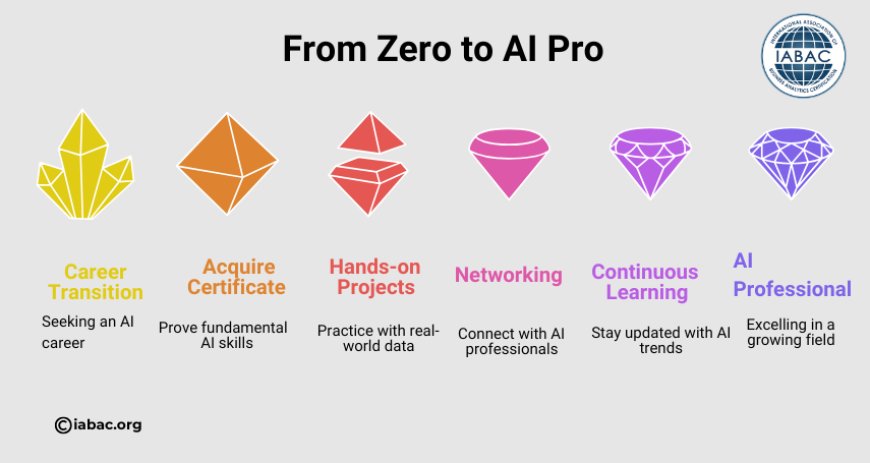
- Lots of Jobs: AI jobs, like data scientist, are growing fast—some say 36% more by 2031.
- Switch Careers: If you’re in another field, a certificate helps you move to AI.
- Prove Your Skills: A certificate shows employers you know AI.
- Practice Real Work: You’ll do projects, like analyzing business data, that match real jobs.
- Stay Updated: AI changes quickly, and certificates keep you current.
- Make Connections: Some programs offer networking with AI pros.
- Learn Your Way: Many courses are online, so you can study when it suits you.
An AI certificate helps you learn new skills and get noticed in a hot job market.
What You’ll Learn in an AI Certificate
AI certificate courses teach practical skills for different levels. Here’s what you might learn:
- Beginner Courses:
- Basics of AI, like teaching computers to learn or recognize pictures.
- Simple coding (often with Python) and working with data.
- How AI helps businesses, like stores or hospitals.
- Using AI responsibly to avoid problems.
- Intermediate Courses:
- Tools to predict things, like sales or trends.
- More coding and software like TensorFlow.
- Checking if AI works well.
- Projects like studying customer data.
- Advanced Courses:
- Complex AI, like systems for text or images.
- Special skills, like analyzing photos or language.
- Putting AI into real apps or systems.
- Projects like helping doctors with medical scans.
- Manager Courses :
- Using AI to improve a business.
- Leading AI projects and teams.
- Examples from industries like marketing.
Most courses include hands-on projects with real data. Advanced ones may need coding skills (like Python) and some math, like algebra. Beginner courses take 4–12 weeks, while advanced ones might take 3–6 months.
What Can You Do with an AI Certificate?
An AI certificate can lead to exciting jobs and possibilities. Here’s what you can do:
- Jobs You Can Get:
- Data Scientist: Study data to predict things (~$103,500 average salary).
- Machine Learning Engineer: Build AI tools (~$112,000).
- AI Engineer: Make things like chatbots ($90,000–$150,000).
- Computer Vision Engineer: Work on image tools, like for self-driving cars (~$110,000–$160,000).
- AI Manager: Lead AI projects (salary depends on the role).
- Industries: Use AI in tech, healthcare (like medical tests), finance (stopping fraud), retail (better shopping), or cars (self-driving tech).
- Other Possibilities:
- Work freelance on AI projects.
- Start your own AI business.
- Show your projects on LinkedIn or GitHub.
- Network with AI pros for job leads.
Certificates are a great start, but for bigger jobs, you might need experience or more education.
How to Start
Want an AI certificate? Here’s how to begin:
- Pick a Program: Choose one for your level—beginner, worker, or manager.
- Check Needs: Advanced courses may need coding or math skills.
- Find a Course: Look for trusted programs online or in-person. For example, IABAC’s site (https://iabac.org) lists training partners for their certifications.
- Sign Up: Exams might cost $160–$215, and course prices vary by provider. Some programs also offer help with resumes and job placement.
AI certificates are a fantastic way to jump into a field that’s shaping the future. They teach you real skills, help you stand out, and open doors to cool jobs. Whether you’re new to AI or want to specialize, a certificate can get you started. Check out programs like those from IABAC at https://iabac.org to find the right one and begin your AI journey today!