
























































Become a Data Scientist in 6 Months
A focused 6-month plan can help you build data science skills with Python, statistics, projects, and real-world practice to start your career.

Can you become a Data Scientist in just six months? This is one of the most common questions people ask when they start exploring Data Science. Some feel excited, some feel unsure, and many feel stuck between “I want to learn this” and “Is it even possible for me?”
A lot of beginners think Data Science is only for people who are very strong in maths or coding. Others worry that the learning process will be too difficult or too slow. Because of this confusion, many people start learning but stop in between.
This blog will help clear that confusion in a simple way. It explains what a Data Scientist actually does, how long it may take to build skills, what affects your learning speed, and how Data Science Certifications and a strong Data Science Foundation can support your journey. It will also give you a realistic idea of whether becoming a Data scientist months in six months is possible or not.
Who Is a Data Scientist?
A Data Scientist works with data to help companies make better decisions. Instead of guessing, businesses use data to understand what is really happening.
A Data Scientist usually works on:
- Collecting data
- Cleaning data
- Studying patterns
- Creating reports and models
- Explaining results in an easy way
The job is not just about computers or numbers. It is also about thinking clearly and explaining ideas so others can understand.
Can You Become a Data Scientist in 6 Months?
Yes, it is possible to become a Data Scientist in 6 months if you learn in a proper way.
Six months is enough time to:
- Learn the basics
- Practice important tools
- Work on real projects
- Build confidence
But six months will not help if learning is random. Watching videos without practice or jumping between topics usually creates confusion. A clear plan and regular effort make a big difference.
How Quickly Can You Learn Data Science?

Learning speed depends on:
- Your daily study time
- Your practice level
- The learning structure
Here is a realistic view of a six-month journey.
Months 1 and 2: Basics
You start with:
- What data science means
- Basic Python
- Simple statistics
- Charts and graphs
This phase feels comfortable. You understand concepts and feel motivated.
Months 3 and 4: Skill Building
Now you move to:
- SQL
- Data cleaning
- Probability
- Machine learning basics
This is where learning feels slower. Errors happen. Concepts take time. Many people feel stuck here, but this stage is important.
Months 5 and 6: Practice and Confidence
You focus on:
- Real projects
- Business problems
- Model improvement
- Portfolio work
By the end of six months, you may not know everything, but you know enough to apply for entry-level roles or internships.
Do Data Scientists Need Coding?
This is one of the most common questions.
Yes, a Data Scientist needs coding, but not advanced coding.
You mainly need:
- Python basics
- SQL queries
- Understanding how code works
You will use ready-made tools and libraries. You do not need to build everything from scratch. Coding is a tool, not the main goal.
If you can read, edit, and write simple code, you are good to go.
Why Do Many Data Science Projects Fail?
You may have heard that 87% of data science projects fail. This sounds scary, but the reason is important to understand.
Projects fail because:
- The problem is not clear
- Data quality is poor
- Goals keep changing
- Results are not explained well
- Business needs are ignored
They do not fail because data science is useless. They fail because planning and communication are weak.
This is why companies prefer Data Scientists who understand both data and business.
What Is the 80/20 Rule in Data Science?
The 80/20 rule is very important in data science.
It means:
- Most results come from a small part of the work
In data science:
- Most time is spent cleaning data
- Simple models give strong results
- Perfect models are not always needed
This rule teaches learners to focus on what really matters instead of trying to learn everything at once.
Why Learning Data Science Feels Difficult at the Start
Data science combines:
- Numbers
- Logic
- Tools
- Real-life problems
At first, it feels heavy. But no one learns everything at once. Skills grow step by step. Even experienced Data Scientists once felt confused.
Feeling unsure does not mean you are not capable. It only means you are learning something new.
Why a Structured Data Science Course Helps
Learning on your own is possible, but it often takes more time.
A structured Data Science course helps by:
- Giving a clear learning path
- Avoiding confusion
- Providing practice projects
- Saving time
Instead of guessing what to learn next, the course guides you in the right order.
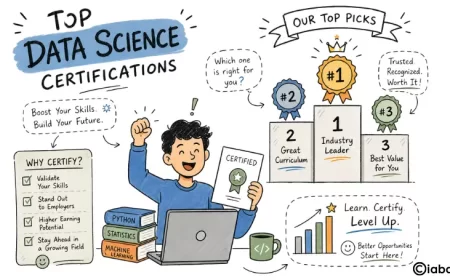
Importance of Data Science Certifications
Many people ask if certifications matter.
Good Data Science Certifications matter because:
- They show proof of learning
- They build trust with employers
- They help your resume stand out
- They show serious effort
For beginners, certifications help open doors and improve confidence.
How IABAC Supports Data Science Learners
IABAC (International Association of Business Analytics Certifications) focuses on skill-based learning.
IABAC certifications:
- Follow global standards
- Focus on practical knowledge
- Support real-world learning
- Help learners become job-ready
With proper training and guidance, learners gain clarity and direction.
A Simple 6-Month Learning Plan
Here is an easy learning plan:
Month 1
- Data science basics
- Python introduction
Month 2
- Statistics
- Data charts and reports
Month 3
- SQL
- Data cleaning
Month 4
- Machine learning basics
- Model testing
Month 5
- Real projects
- Business use cases
Month 6
- Final project
- Certification preparation
- Resume building
Common Mistakes to Avoid
Many learners struggle because they:
- Compare themselves to experts
- Skip basics
- Learn without practice
- Give up too early
Data science needs patience and consistency.
Salary Expectations for a Data Scientist
How Much Does a Data Scientist Earn?
One of the biggest reasons people choose a Data Scientist career is salary growth.
For beginners, salaries depend on location, skills, and certifications. Entry-level Data Scientists usually earn competitive pay compared to many other tech roles. With experience, the income grows steadily.
As skills improve in machine learning, business analysis, and real project handling, professionals often see strong salary jumps within a few years.
This growth makes data science an attractive long-term career option, not just a short-term trend.
Background Requirements
Do You Need a Technical or Math Background?
Many people think only engineers or math experts can become a Data Scientist. This is not true.
People from:
- Commerce
- Arts
- Science
- Business
- Marketing
have successfully moved into data science.
What matters more than your degree is:
- Willingness to learn
- Regular practice
- Understanding basic logic
- Interest in problem-solving
With proper guidance and a structured course, non-technical learners can also succeed.
Tools Used by a Data Scientist
Common Tools Every Data Scientist Uses
A Data Scientist does not work with one tool only. The role involves multiple tools for different tasks.
Commonly used tools include:
- Python for data analysis
- SQL for data handling
- Excel for quick insights
- Visualization tools like Power BI or Tableau
- Machine learning libraries
You do not need to master all tools at once. Learning them step by step is enough.
Portfolio Importance
Why Projects Matter More Than Theory
Certificates help, but projects show real ability.
A strong project portfolio:
- Shows practical skills
- Builds confidence
- Helps during interviews
- Makes your profile stronger
Simple projects using real data are more valuable than complex ideas with no explanation.
Employers trust what they can see.
Interview Preparation
How to Prepare for Data Scientist Interviews
Learning data science is one part. Showing your skills is another.
Interview preparation should include:
- Explaining projects clearly
- Answering basic statistics questions
- Understanding data cleaning steps
- Explaining why you chose a model
Clear thinking and simple explanations often impress interviewers more than complex answers.
Career Roles Related to Data Scientist
Career Paths After Learning Data Science
Becoming a Data Scientist opens doors to multiple roles such as:
- Data Analyst
- Business Analyst
- Machine Learning Engineer
- AI Analyst
Many learners start in one role and move toward Data Scientist positions over time.
This flexibility makes data science a safe and growing career choice.
Learning Support & Community
Why Mentorship and Community Matter
Learning alone can feel confusing and slow.
Having:
- Mentors
- Peer groups
- Learning communities
help learners stay motivated, solve doubts faster, and stay consistent.
Training programs that include support systems often lead to better results.
Is Data Science a Good Career Choice?
Yes. Data is used in every industry. Companies need people who can understand data and explain it clearly.
A skilled Data Scientist with proper training and certification has strong career opportunities.
Six months may look short, but it can change your career direction.Becoming a Data Scientist in six months does not mean knowing everything. It means building strong basics, practicing regularly, and being ready to grow.
With the right learning plan, guidance, and certifications from organizations like IABAC, the journey becomes clear and achievable. If you stay consistent, six months from now, you may look back and feel proud that you started.