



















































What is Data Science Analytics?
Learn what data science analytics is, its process, tools, and practical uses. Simple guide to turning data into insights for smarter decisions.


Regularly working with data makes it evident how uninterpreted numbers can be turned into insightful knowledge that informs practical choices. With graphs and algorithms, data science analytics finds patterns, resolves issues, and makes sense of complicated data. Readers can understand how data inspires more intelligent corporate plans, enhances operations, and generates value by examining practical examples and practical expertise.
Understanding this enables professionals, students, and business executives to confidently navigate a data-driven world and make knowledgeable choices that have a significant impact.
Understanding the Basics of Data Science Analytics
Analyzing big data sets to uncover useful details is the fundamental goal of data science analytics. Data collection, cleansing, analysis, and interpretation are all part of it. Helping individuals or businesses make better decisions is the ultimate goal.
Consider it data-driven storytelling. A data scientist uses statistics, patterns, and figures to explain what is happening and what can happen next, much like a storyteller connects different bits of information to create meaning.
Analytics in data science is not confined to a single domain. Healthcare, banking, e-commerce, education, manufacturing, and even sports all make use of it. Everywhere there is data, there is a chance to look at it and learn something new.
Difference Between Data Science and Data Analytics
There are a few differences between data science and data analytics, which are frequently confused.
-
Data science is a broad field that works with data in all forms, both structured (numbers and tables) and unstructured (text, photos, and videos). It uses advanced techniques including predictive modeling, artificial intelligence, and machine learning.
-
Data analytics is a branch of data science that focuses on analyzing existing data to identify patterns, trends, and relevant information. It typically solves specific business problems such as, "Why did sales drop last month?" Which product is the most well-liked by consumers?
To put it simply, data analytics is one of the key instruments that fall under the umbrella of data science.
Why is Data Science Analytics Important?
In today's world, it is essential because:
-
Better Decision-Making
Companies are better able to comprehend risks, market trends, and consumer behaviour. This enables people to make more informed choices rather than depending solely on conjecture.
-
Enhanced Efficiency
Businesses can pinpoint areas of resource waste and enhance their operations. Analytics are used, for instance, by logistics firms to optimize delivery routes.
-
Customization
Based on your tastes, companies such as Netflix and Amazon utilize analytics to suggest movies or purchases. This improves the client experience.
-
Solving Issues
Data analytics are used by governments to control public safety, healthcare, and traffic. It is employed by researchers to investigate climate change and create therapeutic treatments.
-
Predictions for the Future
Businesses can predict future sales, changes in the market, or client wants by using advanced analytics.
The massive volumes of data we produce every day would be useless without that.
The Data Science Analytics Process
There is a methodical procedure involved in transforming unstructured data into insightful knowledge. The essential steps are as follows:

1. Data Collection
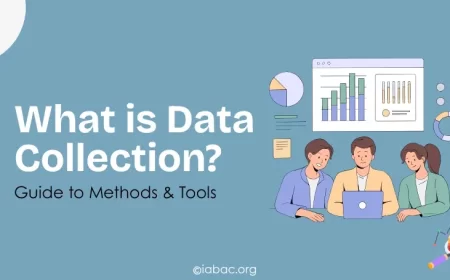
The first step is to collect information from various sources. Websites, apps, sensors, polls, social media, and transaction data are some possible sources.
2. Data Cleaning
Missing numbers, mistakes, and duplication are common in raw data. Accurate and useful information is produced through data cleaning.
3. Data Exploration and Preparation
In order to understand the data's structure and trends, analysts investigate it here. They appropriately arrange and organize the data to get it ready for further investigation.
4. Data Analysis
Here, patterns, trends, and relationships are found through the use of statistical methods, tools, and algorithms.
5. Data Visualization
To make the data easy for decision-makers to understand, they are shown using dashboards, graphs, and charts.
6. Decision-Making
Lastly, companies or organizations utilize these insights to create well-informed decisions and plans.
Because organizations must constantly adjust their plans and new data keeps rolling in, this cycle never stops.
Tools and Technologies in Data Science Analytics
Data scientists and analysts use a wide range of techniques and technologies. Among the most well-liked are:
-
Programming languages: For data analysis, Python, R, and SQL are frequently used.
-
Visualization Tools: Matplotlib, Tableau, and Power BI facilitate the creation of lucid visual reports.
-
Big Data Tools: To manage extremely huge datasets, Hadoop and Spark are utilized.
-
Machine Learning Platforms: Predictive models are constructed using Scikit-learn and TensorFlow.
-
Databases: PostgreSQL, MongoDB, and MySQL effectively store and handle data.
Every instrument has unique advantages, and experts select them based on the issue they wish to resolve.
Real-World Applications of Data Science Analytics
Let's study a few real-world examples of data science analytics in action to better understand the impact:
-
Healthcare
To predict diseases, develop treatment plans, and enhance patient care, physicians employ data analytics. Additionally, hospitals use data analysis to manage personnel and equipment.
-
E-Commerce
Analytics are used by online retailers to make product recommendations, control inventories, and develop focused advertising strategies. -
Finance
It is used by banks for investment management, credit score evaluation, and fraud detection. -
Sports
To analyze player performance, predict results, and enhance strategies, teams employ data analytics. -
Education
In order to improve learning outcomes and establish individualized learning pathways, educational institutions examine student data. -
Manufacturing
Predictive analytics is used by businesses to save time and money by maintaining machinery before it breaks down. -
Entertainment
Websites such as YouTube and Spotify use user watching and listening patterns to make customized suggestions.
Careers in Data Science Analytics
Professionals with experience in data science are in high demand. Experts that is able to understand data are essential for organizations of all sizes. Among the well-liked job roles are:
-
Data Analyst: Analyzes data to answer business-related questions.
-
Data Scientist: Works with advanced analytics, machine learning, and predictive modeling.
-
Business Analyst: Linking data insights to corporate strategy.
-
Machine Learning Engineer: Creates AI models with data-driven learning capabilities.
-
Data Engineer: Oversees and organizes massive datasets.
These positions frequently offer high salaries and the chance to work in a variety of industries.
The Future of Data Science Analytics
Analytics based on data science has a bright future. Data analysis will become more accurate and faster as automation, cloud computing, and artificial intelligence expand.
We can expect:
-
Increased Personalization: Companies will design highly customized services for every client.
-
Smarter Cities: Data will be used by governments to manage resources, improve traffic, and lower pollution.
-
Healthcare Innovations: Data analytics will aid in the development of novel medications and improve the ability to anticipate health hazards.
-
Improved Cybersecurity: The detection and prevention of cyberattacks will be greatly improved by data analytics.
Data will continue to influence how we live, work, and interact as technology develops.
The study of transforming unstructured data into insightful knowledge that informs choices and helps solve issues is known as data science analytics. From healthcare to e-commerce, from finance to education, it is transforming industries worldwide.
It is a field that blends technology, statistics, and business knowledge to find hidden patterns and create value. For people, understanding this can open doors to intriguing and lucrative careers. Adopting it will help companies remain competitive in a world that is driven by data.
To put it simply, data science analytics serves as the link between unprocessed data and informed choices.
For people wishing for establishing their experience, the Data Science Certification is a suggested option. It is globally recognized and helps confirm your skills in analytics and data-driven decision-making.