























































What Are the Basics of Data Science
Data science basics include data collection, cleaning, analysis, statistics, and modeling to turn raw data into useful insights for decisions.


Data science is a word we hear almost every day. It appears in job ads, college courses, social media posts, and company websites. Many people know it is important, but not everyone truly understands what it means. Some feel excited about it, while others feel confused or even nervous.
The truth is simple: data science is not something to fear. It is about understanding information and using it to make better decisions. You do not need to be a genius, a math expert, or a coding expert to begin. You only need curiosity, patience, and the right guidance. This blog explains the Basics of Data Science in a clear, friendly, and easy way. If you are a student, a working professional, or someone planning a career change, this guide will help you take your first steps with confidence.
What Is Data Science?
Data science is the process of studying data to find useful answers. Data can be numbers, text, images, or even videos. Every time you shop online, watch a movie, or use a mobile app, data is created.
Data science helps answer questions like:
- What happened?
- Why did it happen?
- What may happen next?
- What action should be taken?
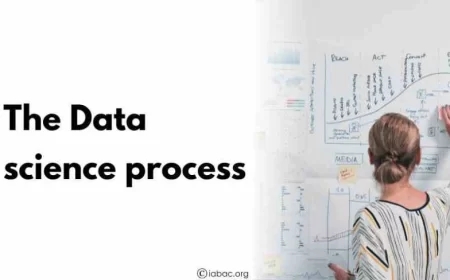
The Basics of Data Science focus on collecting data, cleaning it, understanding it, and explaining the results in a way that people can understand.
Why Is Data Science Important Today?
We live in a time where information is created every second. Businesses, hospitals, schools, and governments collect large amounts of data every day. But data alone has no meaning unless someone studies it properly.
Data science helps organizations:
- Improve customer service
- Make better business decisions
- Reduce mistakes
- Save time and money
- Plan for the future
Because of this, data science skills are useful in almost every industry.
Who Is a Data Scientist?
A Data Scientist is someone who works with data to find useful insights. They help organizations understand what the data is saying and how it can be used.
A data scientist usually:
- Collects data from different sources
- Cleans and organizes the data
- Studies patterns and trends
- Builds simple or advanced models
- Shares results using reports or charts
A data scientist does not work alone. They often talk with business teams, managers, and other professionals to explain findings in a clear way.
Do Data Scientists require coding?
The honest answer is yes, but it does not start on day one.
Here is how coding fits into data science:
- Beginners can start without coding
- Basic coding helps handle data easily
- Python and R are popular languages
- Coding helps save time and reduce manual work
Many people start learning data science with tools like Excel and SQL. Coding is learned slowly as confidence grows. A good Data Science course teaches coding in a simple and step-by-step manner.
Understanding the Basics of Data Science
To learn data science properly, it is important to understand its foundation.

1. Data Collection
Data is gathered from many places, such as:
- Company databases
- Websites
- Mobile apps
- Surveys
- Sensors
- Social media
Good results depend on good data.
2. Data Cleaning
Most data is messy when it is collected. It may have:
- Missing values
- Wrong entries
- Duplicate records
Cleaning data is not exciting, but it is very important. Without clean data, results cannot be trusted.
3. Data Analysis
This step helps find meaning in data. It includes:
- Comparing numbers
- Finding trends
- Checking relationships
- Answering questions
This is where curiosity plays a big role.
4. Data Visualization
Charts, graphs, and tables help explain results clearly. A good chart can explain more than a long paragraph.
5. Modeling and Prediction
Models help predict future results based on past data. This step is used for tasks like sales prediction, risk checking, and customer behavior study.
What Is the 80/20 Rule in Data Science?
The 80/20 rule is a simple idea that fits well with data science.
It means:
- A small part of data gives most of the useful results
- A few features explain most patterns
- Basic analysis often gives strong insights
In data science, this rule teaches beginners not to overthink. Start simple, focus on what matters, and improve step by step.
What Are the 4 Types of Data Science?
| Type of Analysis | Key Question | Purpose | Example |
|---|---|---|---|
| Descriptive Analysis | What happened? | Summarizes past data | Monthly sales reports |
| Diagnostic Analysis | Why did it happen? | Finds causes behind results | Reasons for low sales |
| Predictive Analysis | What may happen next? | Forecasts future trends | Future demand prediction |
| Prescriptive Analysis | What action to take? | Recommends best actions | Business decision suggestions |
What Are the 7 V’s of Data Science?
The 7 V’s explain the nature of modern data.
- Volume – Large amounts of data
- Velocity – Speed of data creation
- Variety – Different data types
- Veracity – Accuracy of data
- Value – Usefulness of data
- Variability – Data changes over time
- Visualization – Clear presentation
Understanding these helps data scientists work better with real data.
How to Start Data Science as a Beginner
Starting something new always feels difficult. Data science is no different. But with the right steps, it becomes manageable.
Step 1: Learn the Basics
Start by understanding basic terms and examples.
Step 2: Learn Simple Tools
Begin with:
- Excel
- SQL
- Basic Python
- Charts and graphs
Step 3: Practice with Small Data
Practice using small datasets. Mistakes are part of learning.
Step 4: Join a Structured Data Science Course
A guided Data Science course helps avoid confusion and saves time.
Step 5: Earn Data Science Certifications
Data Science Certifications help prove your skills and improve job chances.
Why Data Science Certifications Are Helpful
Certifications show that you have learned data science in a proper way.
They help by:
- Building confidence
- Showing skill proof
- Improving career growth
- Following global learning standards
- Helping beginners stay focused
Why Choose an IABAC Data Science Course?
IABAC (International Association of Business Analytics Certifications) offers learning programs designed for real-world use.
An IABAC Data Science course provides:
- Global certification value
- Practical learning approach
- Clear learning structure
- Suitable for beginners and professionals
- Career-focused skill building
These programs help learners move from basics to advanced levels with clarity.
Common Myths About Data Science
Many people believe:
- Data science is only for math experts
- Coding is required from the start
- It is too hard to learn
In reality:
- Logical thinking matters more
- Coding is learned slowly
- Anyone can learn with practice
Why Data Science Is a Good Career Choice
Data science is used in:
- Healthcare
- Banking
- Education
- Retail
- Technology
Skills learned in data science can be used in many roles, making it a flexible and long-term career choice.
Data Science Tools Used by Beginners
One important topic that was missing is tools used in data science.
Beginners often want to know what tools they should actually learn.
Data science uses tools to make work easier and faster. Beginners do not need to learn everything at once.
Common beginner tools include:
- Excel – used for basic data handling and analysis
- SQL – used to get data from databases
- Python – used for data analysis and basic models
- Jupyter Notebook – used to write and test data science work
- Power BI or Tableau – used to create charts and dashboards
Learning tools step by step helps beginners feel confident and organized.
Difference Between Data Science and Data Analytics
Many beginners confuse data science with data analytics. This difference was not clearly explained.
- Data Analytics focuses on understanding past data and current trends.
- Data Science includes data analysis but also involves prediction and decision-making.
In simple words:
- Data analytics explains what happened
- Data science helps understand what may happen next and what action to take
Knowing this difference helps learners choose the right Data Science course.
Skills Required to Learn Data Science
Another missed area is skills needed to start data science.
You do not need all skills at once. But beginners should slowly build:
- Basic math understanding
- Logical thinking
- Curiosity to ask questions
- Patience to handle errors
- Communication skills to explain results
These skills matter just as much as tools and coding.
Real-Life Examples of Data Science
Real-life examples help beginners understand concepts better. This topic was missing.
Examples include:
- Online shopping apps suggesting products
- Banking systems checking fraud
- Health apps tracking user habits
- Education platforms improving learning content
These examples show how data science is used in daily life, not just in big companies.
Career Roles Related to Data Science
You explained the role of a Data Scientist, but related roles were missing.
Some common related roles are:
- Data Analyst
- Business Analyst
- Machine Learning Engineer
- Data Engineer
Understanding these roles helps beginners choose the right career path and certification.
Learning Time and Career Growth Path
Beginners often ask:
- How long does it take to learn data science?
- What comes after basics?
A simple growth path is:
- Learn basics
- Practice with small projects
- Earn Data Science Certifications
- Work on real-world data
- Grow into advanced roles
This gives learners a clear picture of progress.
The Basics of Data Science are not about memorizing tools or formulas. They are about learning how to think clearly, understand information, and make better decisions using data.
If you are wondering:
- What data science really is
- Whether a Data Scientist needs coding
- How to start as a beginner
- Which Data Science Certifications to choose
Remember, every expert started as a beginner.
With steady learning, practice, and the right guidance from programs like IABAC, data science becomes a skill that grows with you and opens doors to many opportunities.