


























































Top Data Science Strategies Every Manager Should Know
Learn how managers can use data science to make smarter decisions with essential tools, strategies, and insights for business growth and efficiency.


As I work with business owners from many sectors, one thing is clear: data has become the foundation of all successful decisions. To benefit from data science, all you need is the appropriate information, resources, and mindset—you don't need to be a technology expert. I'll provide helpful strategies and essential resources to help managers turn data into action.
In order to help you lead with confidence, make wise decisions, and promote quantifiable progress in today's data-focused business environment, I want to make data science simple and useful.
What is Data Science and Why Managers Should Care
The process of gathering, evaluating, and interpreting huge amounts of data to derive significant insights is known as data science. It solves practical issues by fusing computer science, statistics, and business expertise.
Data science is more than simply a technical discipline to managers. It is a tool for making decisions. Managers who understand data can:
-
Determine the patterns and trends in the behaviour of your customers.
-
Improve your decision-making by using evidence.
-
Make company procedures more efficient.
-
Make predictions.
-
Increase profitability and reduce risks.
To put it simply, managers can make better, quicker, and more informed decisions because of data science.
Key Data Science Concepts for Managers
Managers don’t need to know every technical detail, but having a basic understanding of certain concepts can be highly beneficial:
1. Data Types
Data comes in various forms:
-
Structured data: Data that has been arranged, such as inventory lists, spreadsheets, or sales figures.
-
Unstructured data: Unprocessed information, like as emails, feedback from customers, or posts on social media.
-
Semi-structured data: Data that is partially structured, such as XML or JSON files.
Managers can select the best tools and techniques for analysis by having a thorough understanding of data kinds.
2. Descriptive, Predictive, and Prescriptive Analytics
-
Descriptive Analytics: What has previously happened? (Example: sales reports)
-
Predictive analytics: What are possible results?" (Example: sales projections)
-
Prescriptive Analytics: What Should We Do? (Example: marketing tactics to increase sales)
Managers should be aware of the analytics type that best fits a given business requirement.
3. Key Metrics and KPIs
For the purpose of measuring achievement, managers have to make key performance indicators, or KPIs. Common examples include metrics like revenue growth, client retention, and operational efficiency.
Essential Tools for Managers in Data Science
Although managers don't need to be data scientists, they may collaborate and make decisions more effectively if they know how to use the right tools.

1. Excel and Google Sheets
Google Sheets and Excel are still useful even in the age of artificial intelligence because:
-
Simple data analysis.
-
Pivot tables and charts.
-
Quick data visualization.
Managers studying data science frequently begin with these tools.
2. Business Intelligence (BI) Tools
Managers may monitor KPIs, generate dashboards, and visualize data without knowing any code because of BI tools:
-
Tableau: A user-friendly platform for data visualization.
-
Power BI: A Microsoft tool for creating interactive dashboards.
-
Looker: Analytics on the cloud for a deeper understanding.
Managers can quickly understand data by using BI tools.
3. Data Collaboration Platforms
Working with data teams is made easier by these platforms:
-
Google Data Studio
-
Zoho Analytics
-
Qlik Sense
Working together guarantees that managers always have access to current, accurate data.
4. Basic Statistical Tools
Managers can appropriately evaluate data by having a solid knowledge of statistics.
-
Mean, median, and mode.
-
Standard deviation and variance.
-
Correlation and regression analysis.
Although managers don't have to make intricate calculations, understanding these ideas helps them avoid misinterpreting data.
Strategies for Implementing Data Science in Management
Knowing how to use data science tools is just one step in the process. In order to make data actionable, managers must also implement strategies.
1. Build a Data-Driven Culture
A data-driven culture encourages every team member to use data in decision-making. Managers can:
-
Lead by example by using data in meetings.
-
Reward data-driven decisions.
-
Ensure transparency in reporting.
2. Collaborate with Data Teams
Scientists, engineers, and data analysts should collaborate closely with managers. Effective communication guarantees:
-
The right questions are asked.
-
Data is analyzed properly.
-
Insights align with business goals.
3. Focus on Business Problems, Not Just Data
Without context, data has no meaning. Managers should be:
-
Identify key business problems.
-
Define clear objectives.
-
Work backwards to find data-driven solutions.
4. Invest in Training
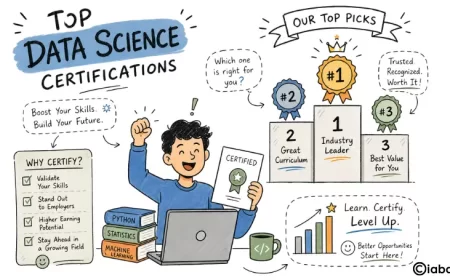
It can be transformative to upskill managers in fundamental data science concepts. A manager's capacity to make data-driven decisions can be improved by taking short courses, attending workshops, and earning certifications such as the Data Science Certified Manager Certification.
5. Measure and Iterate
Strategies based on data are dynamic. Managers should regularly:
-
Measure the impact of decisions.
-
Refine models and approaches.
-
Adjust strategies based on new insights.
Overcoming Common Challenges
There are difficulties in applying data science to management. Managers are better able to handle these issues when they are aware of them.
1. Data Overload
Making decisions can be complicated by too much information. Instead of analyzing everything, managers should concentrate on relevant metrics and KPIs.
2. Misinterpretation of Data
Businesses might be affected by incorrect conclusions. Before acting, managers must cross-check ideas and confirm findings with data teams.
3. Resistance to Change
Some teams may oppose data-driven approaches. Managers can get over this by:
-
Demonstrating the value of data-driven decisions.
-
Providing training and support.
-
Celebrating successful results.
4. Budget and Resource Constraints
Initiatives in data science need funding. Projects with the best return on investment must be given priority, and managers must progressively increase data capabilities.
How Managers Benefit from Data Science
1. Retail
Predictive analytics can be used by a retail manager to estimate product demand. This avoids stockouts and reduces inventory spending.
2. Marketing
Marketing managers can develop customized programs by analyzing consumer behaviour. Engagement and conversion rates rise as a result.
3. Operations
To find problems, increase productivity, and cut expenses, operations managers can monitor production parameters.
4. Finance
Data science can be used by financial managers for risk assessment, fraud detection, and investment optimization.
Tips for Managers to Stay Ahead
-
Start Small: Before scaling, start with a small number of dashboards or metrics.
-
Ask the Correct Questions: Pay attention to choices that are important to the company.
-
Stay Passionate: Continue picking up new skills and methods.
-
Leverage Automation and AI: Make use of AI-powered solutions for regular reporting and predictive insights.
-
Create Cross-Functional Teams: Promote cooperation among data scientists, analysts, and managers.
Nowadays, data science is more than simply a technological field. It is an effective tool for managers who wish to increase productivity, make better decisions, and drive company expansion. Managers may fully realize the potential of data by applying strategic thinking, utilizing the appropriate tools, and understanding important ideas.
Keep in mind that while a manager does not have to know how to code, it is essential to have a firm grasp of data science principles and work well with data teams. Participating in courses such as the Data Science Certified Manager can provide you with the knowledge and credibility you need to confidently lead data-driven projects.
Take a glimpse below at some of the Data Science articles that can elevate your career and improve your earning potential.
Read the complete article to know more in detail.